How to Become a Certified Pet Nutritionist: A Practical Guide
What a pet nutrition consultant does, the science to learn, where consulting ends and veterinary care begins, and how to choose a certification.
PetCred Editorial Team · Updated 25 September 2026 · 4 min read
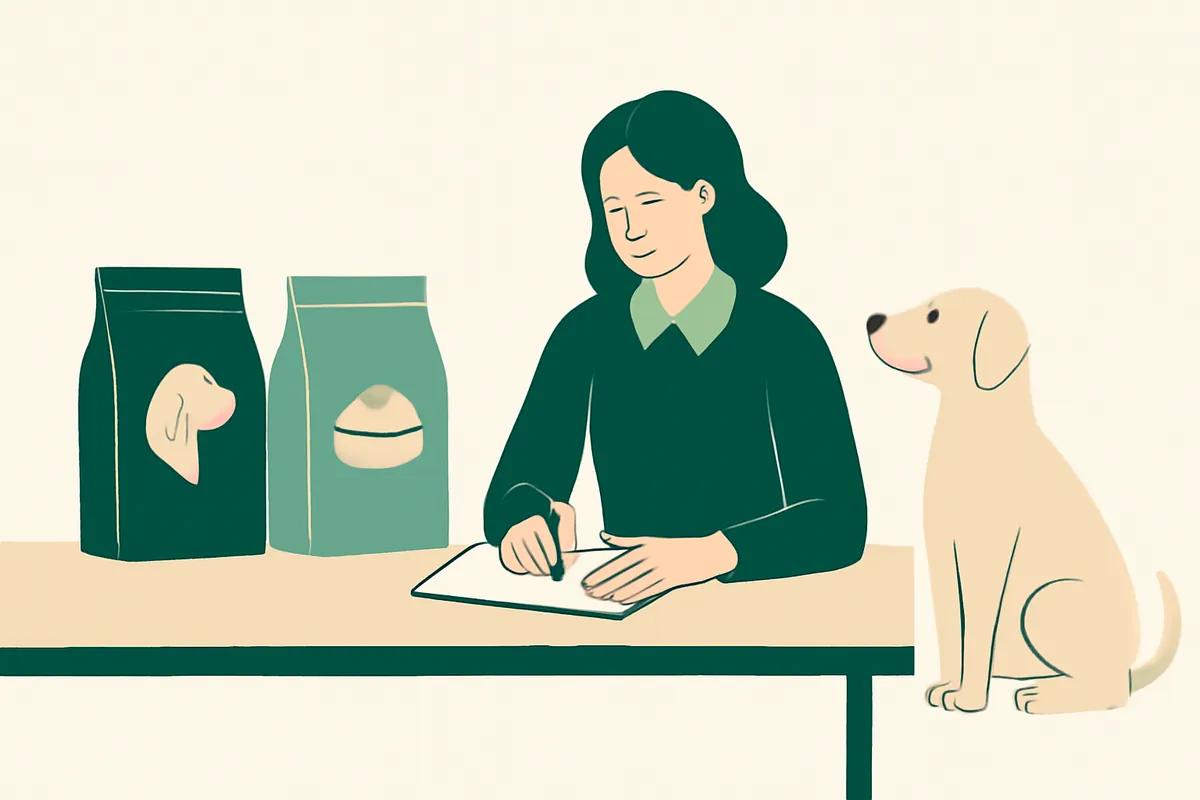
Owners are asking more questions about what goes in the bowl than ever: raw or kibble, grain-free or not, how much to feed, what to do about an overweight dog or a fussy cat. Pet shop staff, groomers, trainers, breeders and sitters hear these questions every day. A pet nutrition consultant is someone who can answer them from the science, and who knows exactly where their advice must stop and a vet must take over.
This guide covers what the role involves, what you need to learn, the boundary with veterinary care, and how to choose a certification.
What a pet nutrition consultant does
A consultant helps owners of healthy animals make good feeding decisions. Typical work includes:
- Assessing a pet's current diet, weight and body condition.
- Explaining how to compare foods and read labels.
- Working out how much to feed and building a practical feeding plan.
- Supporting weight management in healthy but overweight pets, alongside the vet.
- Advising on diet changes for life stages: puppies and kittens, adults, seniors.
- Discussing the risks and requirements of alternative diets such as raw or home-cooked.
- Recognising when a question is really a medical one, and referring to a vet.
Many consultants do this alongside another role, such as working in a pet shop, grooming or training. Others build an independent practice.
Where consulting ends and veterinary care begins
This boundary is the most important thing to understand before you advise anyone.
Diagnosing disease and prescribing treatment, including diets designed to treat disease, is restricted to veterinarians in the US, the UK, Canada and Australia. A pet with kidney disease, diabetes, pancreatitis, urinary crystals, suspected food allergy or unexplained weight loss needs a vet. Board-certified veterinary nutritionists are veterinarians with years of additional specialist training in exactly these cases.
A consultant's job with these animals is to recognise the signs, refer promptly, and support the owner in following the vet's plan. We explain the difference in detail in pet nutritionist vs veterinary nutritionist.
What you need to learn
Nutrients and energy
Protein, fat, carbohydrate, vitamins and minerals, what each does, and how energy needs are calculated. You should be able to estimate a pet's daily calorie needs and turn that into a feeding amount. See how to calculate a dog's calorie needs.
Life stages
Growing puppies and kittens have different needs from adults, particularly for energy, protein, calcium and phosphorus. Large-breed puppies need controlled growth. Senior pets may need changes as their activity and health change.
Species differences
Cats are not small dogs. They are obligate carnivores with specific needs for nutrients found in animal tissue, such as taurine, and they respond badly to fasting. Advice that is fine for a dog can be dangerous for a cat.
Reading food labels
Nutritional adequacy statements, guaranteed analysis, dry matter comparisons and ingredient lists, and the marketing claims that tell you little. See how to read a pet food label.
Body condition and weight management
Scoring body condition consistently, setting realistic weight-loss targets, and building plans owners will actually follow.
Alternative diets
Raw, home-cooked, vegetarian and grain-free diets: what the evidence says, the risks, and how to discuss them without either dismissing owners or endorsing unsafe feeding. See raw and home-cooked diets.
Allergies, intolerances and elimination trials
How adverse food reactions differ from other causes of itching or digestive upset, why an elimination trial needs a vet, and how to support an owner through one.

How to learn
- Structured courses. University short courses and private providers teach the science in order. Check who wrote the material and whether veterinarians or nutrition scientists were involved.
- Primary sources. Guidance from bodies such as the World Small Animal Veterinary Association, and the nutrient profiles used to regulate pet food, are free and authoritative.
- Case practice. Work through real feeding questions, write a plan, and ask an experienced consultant or a vet to review it.
- Relationships with vets. The best consultants have vets they refer to and learn from.
Choosing a certification
Pet nutrition credentials range from veterinary specialist qualifications, which require a veterinary degree, to university courses, private certificates and online assessments. They qualify you for very different things. We compare them in pet nutrition certifications compared.
When choosing, look for a credential that:
- Covers the full curriculum, including species differences and when to refer.
- Assesses you, rather than awarding a certificate for completing videos.
- Is clear about scope: it should never suggest you can diagnose or treat.
- Gives clients a way to verify it.
Setting up to advise
- Define your scope in writing, on your website and in your client paperwork: healthy animals, referral for anything medical.
- Take a proper history before advising: species, age, weight, body condition, current diet and treats, activity and health status.
- Work with vets. Ask clients for their vet's details and share plans when appropriate.
- Stay independent where you can. If you sell food or supplements, tell clients. Recommendations are more credible when they are not tied to a sale.
- Insurance. Professional indemnity insurance is worth considering if you give advice for a fee.
Common mistakes
- Advising on sick animals. Even a well-meant diet change can make kidney disease, pancreatitis or diabetes worse.
- Applying dog rules to cats. Fasting, protein restriction and some home-made diets can harm cats.
- Ignoring treats. Treats, chews and table scraps often explain why a weight-loss plan fails.
- Chasing trends. Base advice on evidence, not on the ingredient that is fashionable this year.
Where to start today
Start with the fundamentals: nutrients and energy, life stages, species differences and label reading. Then practise on real questions from people you know, writing down your reasoning.
When you want to check where you stand, the Pet Nutrition Consultant assessment tests the full curriculum with written scenario questions, and the free sample nutrition questions show the format with model answers.
Frequently asked questions
Do you need a degree to be a pet nutritionist?
Not to work as a pet nutrition consultant in most places. Diagnosing disease and prescribing diets to treat it belong to veterinarians, including board-certified veterinary nutritionists. A consultant advises owners of healthy animals within that boundary and refers anything medical to a vet.
What is the difference between a pet nutritionist and a veterinary nutritionist?
A board-certified veterinary nutritionist is a veterinarian with years of specialist training who can diagnose disease and formulate therapeutic diets. A pet nutrition consultant helps owners of healthy animals make good feeding choices and works alongside the vet, not instead of them.
Can I become a pet nutritionist online?
Yes, the knowledge can be learned and assessed online: nutrients and energy, life stages, species differences, labels, body condition and diet safety. Practical skill comes from working through real cases, ideally with a vet or experienced consultant reviewing your plans.
Written by the PetCred Editorial Team and checked against the published curriculum for this program. Laws and requirements change and differ by place: check local rules before relying on anything legal or regulatory here.
More pet nutrition guides
Pet Nutritionist vs Veterinary Nutritionist: Who Does What
The difference between a pet nutrition consultant and a board-certified veterinary nutritionist, what each may do, and how to work within your scope.
25 September 2026
How to Read a Pet Food Label: A Practical Guide for Consultants
Nutritional adequacy statements, guaranteed analysis, dry matter comparisons and the ingredient list: what a pet food label tells you and what it does not.
25 September 2026
How to Calculate a Dog's Calorie Needs
Resting and daily energy requirements, life-stage factors, body condition scoring and how to turn a calorie target into a practical feeding plan.
25 September 2026
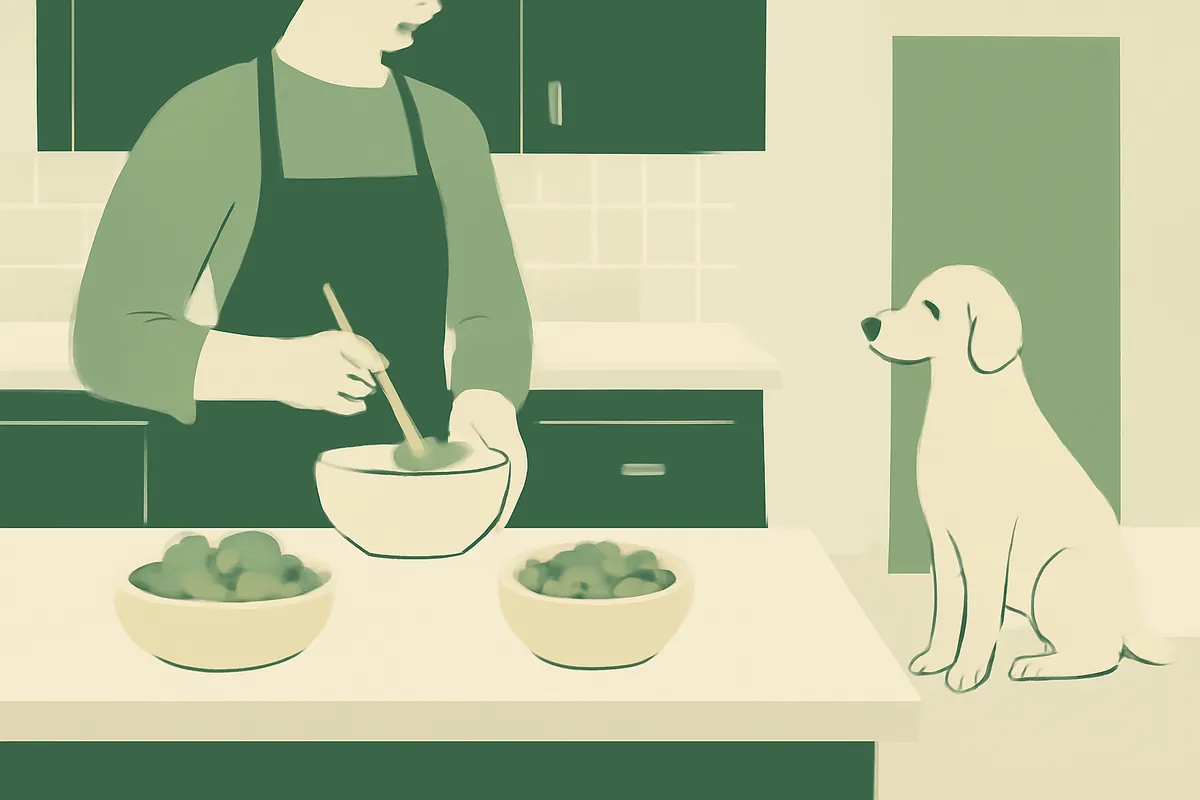
Raw and Home-Cooked Pet Diets: What Nutrition Consultants Should Know
The appeal, the evidence and the risks of raw and home-cooked diets for dogs and cats, and how a consultant can advise owners safely and honestly.
25 September 2026