Food Allergies in Dogs: How Elimination Trials Work
How dog food allergy elimination diets work: choosing a trial diet, how long it lasts, the challenge, and how professionals can help owners stick to it.
PetCred Editorial Team · Updated 31 August 2026 · 6 min read
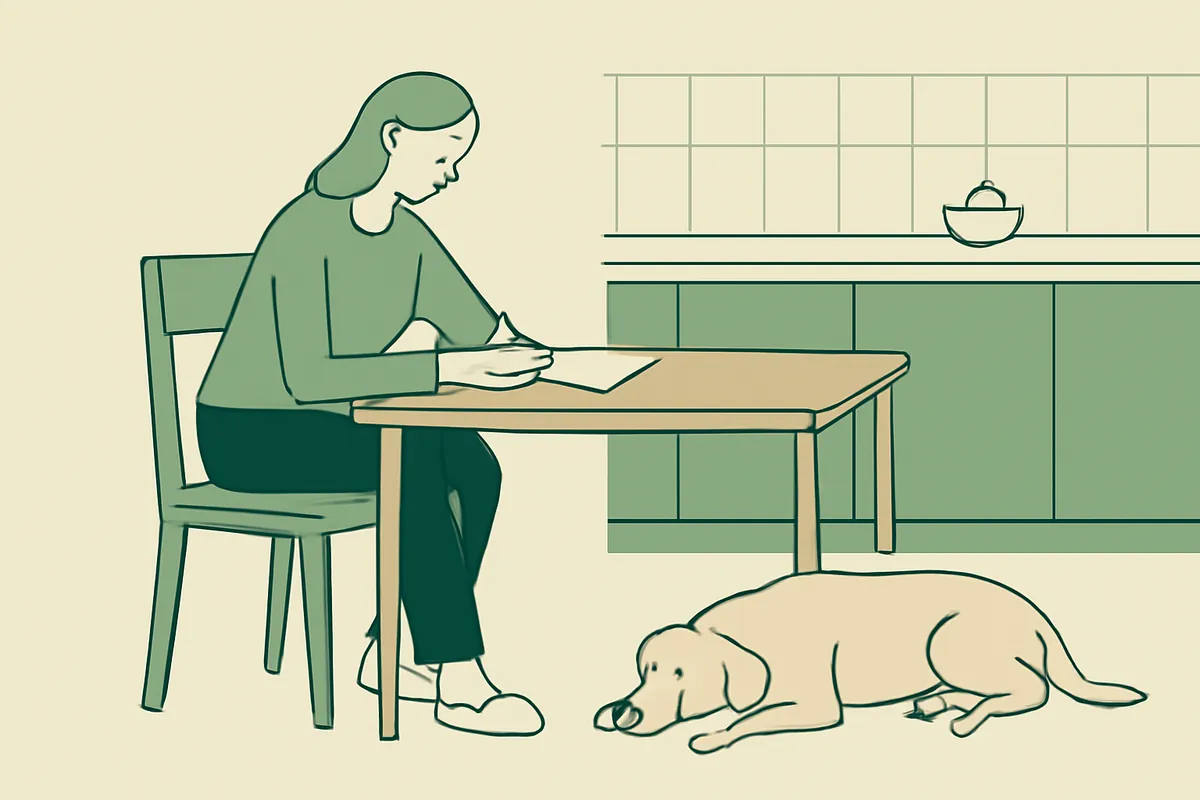
When a dog scratches all year round, keeps getting ear infections or has ongoing digestive trouble, owners often suspect the food. Sometimes they are right. The only reliable way to find out is a dog food allergy elimination diet, run properly and supervised by a vet. It is slow, strict and easy to get wrong, which is exactly why owners need support from the professionals around them.
This guide explains how an elimination trial works, why the popular shortcuts do not, and how a nutrition consultant, trainer, groomer or sitter can help a trial succeed without stepping into the vet's role.
Diagnosing a food allergy is a veterinary task. This article is general education for pet professionals. The trial itself, the choice of diet and the interpretation of results belong to the dog's vet.
Food allergy, food intolerance and other causes of itching
A food allergy is an immune reaction to a component of the food, usually a protein. A food intolerance is a non-immune reaction, such as digestive upset from a particular ingredient. Both can cause signs that improve when the food changes, but they are different problems.
Food allergy in dogs commonly shows up as:
- Itching that does not follow the seasons, often around the face, ears, paws, armpits and rear end.
- Repeated ear or skin infections.
- Digestive signs, such as soft stools, frequent bowel movements or vomiting, sometimes alongside skin signs.
These signs are not specific. Environmental allergies (to pollens, dust mites and similar), fleas and other parasites, and skin infections can all look very similar. That is why the vet usually rules out parasites and treats any infection before starting a food trial: otherwise it is impossible to tell what caused any improvement.
Why blood, saliva and hair tests are not the answer
Many owners have seen tests sold online or in shops that promise to identify a dog's food allergies from a blood, saliva or hair sample. Veterinary dermatology specialists do not consider these tests reliable for diagnosing food allergy in dogs. They can produce positive results in healthy dogs and miss real allergies.
This matters for a professional because owners often arrive with a test result and a list of "forbidden" foods. The kind and accurate response is to explain that the recognized way to diagnose food allergy is an elimination trial followed by a challenge, and to suggest they discuss it with their vet.
How an elimination trial works
An elimination trial has two parts: an elimination phase, then a challenge. The vet decides the details, but the structure is broadly the same.
The elimination phase
For a set period, the dog eats only a diet that it is very unlikely to react to. There are two main options:
- A hydrolyzed protein diet. The protein is broken into pieces too small to be recognized by the immune system. These diets are usually veterinary diets, obtained through the vet.
- A novel protein diet. The diet uses a protein and carbohydrate the dog has never eaten before. This requires a full diet history, since many proteins are now common in pet foods and treats. A home-cooked novel protein diet is possible, but it must be formulated by a vet or a board-certified veterinary nutritionist to be balanced, especially if the trial lasts a long time.
The elimination phase usually lasts at least eight weeks, because skin signs can take that long to settle. Digestive signs often improve sooner. The vet may extend the trial if the dog is improving but not yet clear.
The challenge
If the signs improve, the vet will usually ask the owner to reintroduce the original food. If the signs come back, typically within days to a couple of weeks, that supports a diagnosis of food allergy. The dog then goes back onto the trial diet until the signs settle, and single ingredients can be reintroduced one at a time to identify which ones cause a reaction.
Owners often want to skip the challenge because the dog is finally comfortable. It is worth explaining why it matters: without it, you do not know whether the improvement came from the diet change or from something else, such as a change of season or the treatment of an infection.
Why over-the-counter "limited ingredient" foods are risky for a trial
Pet shops sell foods labeled limited ingredient, hypoallergenic or single protein. Some are good everyday foods. For a diagnostic trial, though, they are a weak choice: studies have found that some over-the-counter foods contain proteins not listed on the label, often from shared manufacturing lines. A trace of a protein the dog reacts to can be enough to spoil months of effort.
This is why vets usually recommend a veterinary hydrolyzed or novel protein diet, or a home-cooked diet they have formulated, for the trial itself. Once the trigger foods are known, the vet may approve a suitable commercial food for long-term feeding.
Which proteins are commonly involved
Studies of dogs with food allergy have most commonly reported reactions to beef, dairy products, chicken and wheat, with others such as lamb, soy and egg reported less often. This reflects, in part, which ingredients dogs have eaten most, since an animal has to be exposed to a protein before it can become allergic to it.
A useful point for owners: grains are not the main cause of food allergy in dogs. Animal proteins are implicated more often. A switch to a grain-free food is therefore not a food allergy trial.
How professionals can support a trial
The most common reason an elimination trial fails is that the dog eats something else. That is where everyone in the dog's life can help, as long as they stay within their role.
Nutrition consultants can help the owner:
- Build a complete list of everything the dog eats, including treats, chews, dental sticks, table scraps and supplements.
- Plan rewards made only from the trial diet (for example, kibble from the trial food, or treats made from the vet-approved diet).
- Keep a simple daily diary of itching, stools, ears and anything unusual, to share with the vet.
- Plan for other pets' food, children dropping snacks and visitors offering treats.
Trainers can switch to trial-diet rewards for the duration, or use play and praise, and ask the owner before using any food.
Groomers can note changes in the skin and ears for the owner to pass to the vet, without offering a diagnosis, and avoid giving treats.
Sitters and walkers can follow a written feeding plan exactly, keep the dog away from food on walks and report any slip to the owner.
Two things no professional should do: change the trial diet, or advise stopping or changing a medication. Flavored chewable medications and supplements can contain proteins, so ask the owner to raise them with the vet, who can suggest alternatives. Any worsening skin, ear infection, vomiting, diarrhea or loss of appetite during the trial is a reason to contact the vet.
Common mistakes
- Stopping too early. Skin signs can take weeks to settle, and quitting at four weeks may lead to a wrong conclusion.
- Hidden extras. Treats, chews, flavored products and food from other pets are the usual culprits.
- Using an over-the-counter food for the diagnostic trial. Possible cross-contamination makes results unreliable.
- Relying on blood, saliva or hair tests. They are not a reliable way to diagnose food allergy in dogs.
- Skipping the challenge. Without it, the result is a guess.
- An unbalanced home-cooked diet. A long trial on a diet that is not complete can cause deficiencies. It must be vet formulated.
Next steps
Food allergies, intolerances and elimination trials are a core topic in the Pet Nutrition Consultant program. For more on working within your scope, read pet nutritionist vs veterinary nutritionist. If owners want a home-prepared trial diet, the risks are covered in raw and home-cooked diets: what consultants should know. For the wider career, see how to become a certified pet nutritionist, and try free sample questions from the pet nutrition assessment.
Written by the PetCred Editorial Team and checked against the published curriculum for this program. Laws and requirements change and differ by place: check local rules before relying on anything legal or regulatory here.
Free course
Pet Nutrition Fundamentals: A Free 5-Lesson Course
Five short lessons, a quick check after each, no sign-up. Start now →
More pet nutrition guides
How to Become a Certified Pet Nutritionist: A Practical Guide
What a pet nutrition consultant does, the science to learn, where consulting ends and veterinary care begins, and how to choose a certification.
21 July 2026
Grain-Free Diets and Heart Disease in Dogs: What We Know
Grain-free dog food and DCM as of 2026: what the FDA investigation found, what remains unresolved and how pet professionals can advise owners honestly.
12 September 2026
Feeding Puppies and Kittens: A Guide by Life Stage
A puppy and kitten feeding guide for pet professionals: growth foods, meals and portions by age, large breed puppies, switching to adult food and when to refer.
19 August 2026
How to Calculate a Cat's Calorie Needs
The cat calorie calculation step by step: resting energy, life stage factors, treats and portions, plus why weight loss in cats must always involve a vet.
8 August 2026