Grain-Free Diets and Heart Disease in Dogs: What We Know
Grain-free dog food and DCM as of 2026: what the FDA investigation found, what remains unresolved and how pet professionals can advise owners honestly.
PetCred Editorial Team · Updated 12 September 2026 · 6 min read
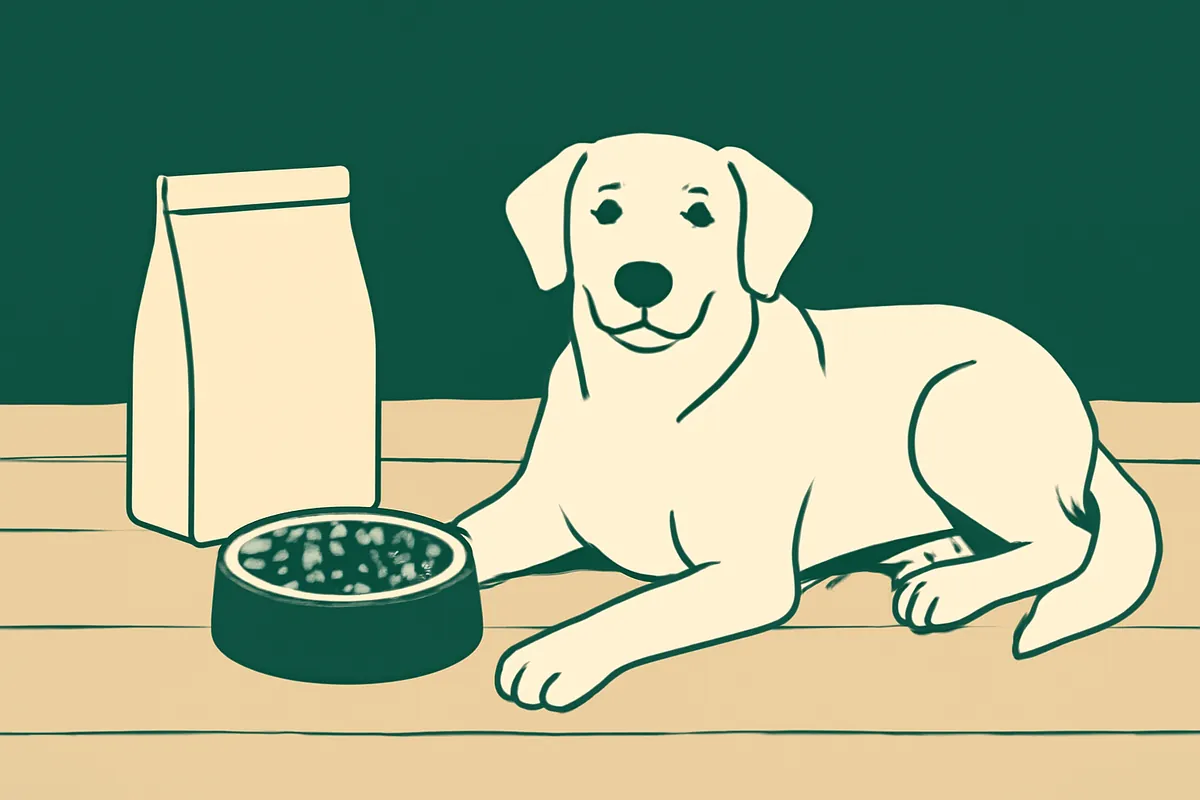
Few pet food topics cause as much worry as the question of grain-free dog food and DCM (dilated cardiomyopathy, a serious heart disease). Owners hear that grain-free food is healthier, then read that it might damage their dog's heart, and they turn to the professionals around them for a straight answer.
The honest answer, as of 2026, is that the question is not settled. This article sets out what is known, what is not, and how a pet professional can talk about it responsibly without either dismissing the concern or frightening owners.
This article describes the state of the question at the time of writing (2026) and is general education, not veterinary advice. Research is ongoing and the picture may change. Any dog with signs of heart disease needs a vet, and any change to the diet of a dog with a heart condition should be made with the vet.
What DCM is
Dilated cardiomyopathy is a disease of the heart muscle. The heart chambers enlarge and the muscle becomes weaker, so the heart pumps less effectively. Over time it can lead to congestive heart failure, dangerous heart rhythms and sudden death.
DCM has long been known in dogs as a largely inherited disease of certain breeds, especially large and giant breeds such as the Doberman Pinscher, Great Dane and Irish Wolfhound. What drew attention after 2018 was reports of DCM in dogs of breeds not usually affected, many of which were eating particular types of diet.
Signs that a dog may have heart disease include:
- Tiring easily on walks or reluctance to exercise.
- Coughing, or breathing faster or harder than usual, especially at rest.
- Weakness, fainting or collapse.
- A swollen belly, loss of appetite or weight loss.
Some dogs show no signs until the disease is advanced. Only a vet can diagnose DCM, usually with an examination and an ultrasound scan of the heart (echocardiogram).
How the question arose
In July 2018, the US Food and Drug Administration (FDA) announced that it was investigating reports of DCM in dogs eating certain pet foods. Many of the diets in the reports were labeled grain-free, and many contained peas, lentils, other legumes or potatoes as main ingredients.
The FDA published updates in 2019, including the brands most often named in reports. In late 2022, it said that the reports it had received did not by themselves establish that these diets caused DCM, described the issue as complex and likely to involve several factors, and said it did not plan further public updates until there was meaningful new scientific information. At the time of writing, the FDA has not concluded that grain-free diets cause DCM, and we are not aware of any regulator that has.
Because many researchers think the problem, if confirmed, is more likely linked to other features of how some diets are formulated than to the absence of grain itself, you will often see the term diet-associated DCM rather than "grain-free DCM".
What we know as of 2026
The following points are reasonably well supported:
- Reports of DCM in breeds not usually affected were linked to diets that were often grain-free and high in legumes or potatoes.
- Some affected dogs improved after their diet was changed, alongside veterinary treatment. This was reported in several published studies of affected dogs.
- Taurine is part of the picture for some dogs. Taurine deficiency is a known cause of DCM, and some affected dogs, notably some Golden Retrievers, had low taurine levels. Many other affected dogs had normal taurine levels, so taurine does not explain every case.
- Grains are not a common cause of food allergy in dogs. The main reason many owners chose grain-free food is weaker than the marketing suggests. Animal proteins are implicated in food allergy more often than grains.
What remains unresolved
Other important questions do not have clear answers yet:
- Whether the diets cause DCM, or whether the link reflects something else, such as reporting patterns or other factors.
- Which ingredient or combination is responsible, if any. Legumes, pulses, potatoes, fiber, protein quality and how nutrients are absorbed have all been suggested and studied.
- How common diet-associated DCM is among the very large number of dogs eating these foods. Most dogs eating grain-free diets have not been reported to develop DCM.
- Why some dogs are affected and others are not, including the role of breed and genetics.
For a professional, the key word is "unresolved". Avoid saying grain-free food is proven dangerous, and avoid saying the concern has been disproven. Neither is true at the time of writing.
How to talk to owners about it
Owners usually ask one of three things. Here is a calm, honest way to answer each.
"Is grain-free food bad for my dog?" Explain that the question is still being studied, that regulators have not concluded that it causes heart disease, and that the concern has not gone away either. Encourage them to discuss the choice with their vet, especially if the dog is a breed prone to DCM or has any signs of heart problems.
"Should I switch foods?" That decision belongs to the owner and their vet. If they want to change, a complete and balanced food from a manufacturer with strong nutrition expertise is a sensible choice, and any change should be gradual over about a week. The WSAVA (World Small Animal Veterinary Association) publishes guidelines on the questions to ask pet food manufacturers, which can help owners compare brands.
"My dog seems tired and coughs sometimes. Could it be the food?" Do not speculate. Refer the owner to the vet promptly, and suggest they bring details of everything the dog eats, including treats and supplements.
Things a professional should not do:
- Tell an owner their dog has, or does not have, heart disease.
- Recommend taurine or other supplements as a preventive or treatment. That is a veterinary decision.
- Tell an owner to change the diet of a dog already diagnosed with a heart condition without the vet.
- Name brands as unsafe. The evidence does not support singling out a product.
Choosing foods without the hype
The DCM question has made many professionals more careful about pet food marketing in general. A few principles hold up whatever the final answer:
- Look past the front of the bag. "Grain-free", "ancestral" and "natural" are marketing positions, not measures of quality. See how to read a pet food label.
- Check the nutritional adequacy statement to make sure the food is complete and balanced for the dog's life stage.
- Ask about the manufacturer, including who formulates the diets and how they test them.
- Avoid removing grains without a reason. A dog with a diagnosed allergy to a specific grain should avoid it, but that is uncommon.
- Be cautious with home-prepared and boutique diets. Diets that are not formulated by qualified nutritionists carry their own risks. See raw and home-cooked diets: what consultants should know.
Keeping your advice current
This is a topic where information changes. Date anything you write for clients, return to official sources such as regulators and veterinary associations before repeating a claim, and be willing to say "we do not know yet". Owners trust professionals who are honest about uncertainty more than those who sound certain and turn out to be wrong.
Next steps
Evaluating diet evidence, reading labels and knowing when to refer to a vet are core topics in the Pet Nutrition Consultant program. For where your role ends and the vet's begins, read pet nutritionist vs veterinary nutritionist. For the full career picture, see how to become a certified pet nutritionist, and try free sample questions from the pet nutrition assessment.
Written by the PetCred Editorial Team and checked against the published curriculum for this program. Laws and requirements change and differ by place: check local rules before relying on anything legal or regulatory here.
Free course
Pet Nutrition Fundamentals: A Free 5-Lesson Course
Five short lessons, a quick check after each, no sign-up. Start now →
More pet nutrition guides
How to Become a Certified Pet Nutritionist: A Practical Guide
What a pet nutrition consultant does, the science to learn, where consulting ends and veterinary care begins, and how to choose a certification.
21 July 2026
Food Allergies in Dogs: How Elimination Trials Work
How dog food allergy elimination diets work: choosing a trial diet, how long it lasts, the challenge, and how professionals can help owners stick to it.
31 August 2026
Feeding Puppies and Kittens: A Guide by Life Stage
A puppy and kitten feeding guide for pet professionals: growth foods, meals and portions by age, large breed puppies, switching to adult food and when to refer.
19 August 2026
How to Calculate a Cat's Calorie Needs
The cat calorie calculation step by step: resting energy, life stage factors, treats and portions, plus why weight loss in cats must always involve a vet.
8 August 2026