Pet Nutritionist vs Veterinary Nutritionist: Who Does What
The difference between a pet nutrition consultant and a board-certified veterinary nutritionist, what each may do, and how to work within your scope.
PetCred Editorial Team · Updated 25 September 2026 · 3 min read
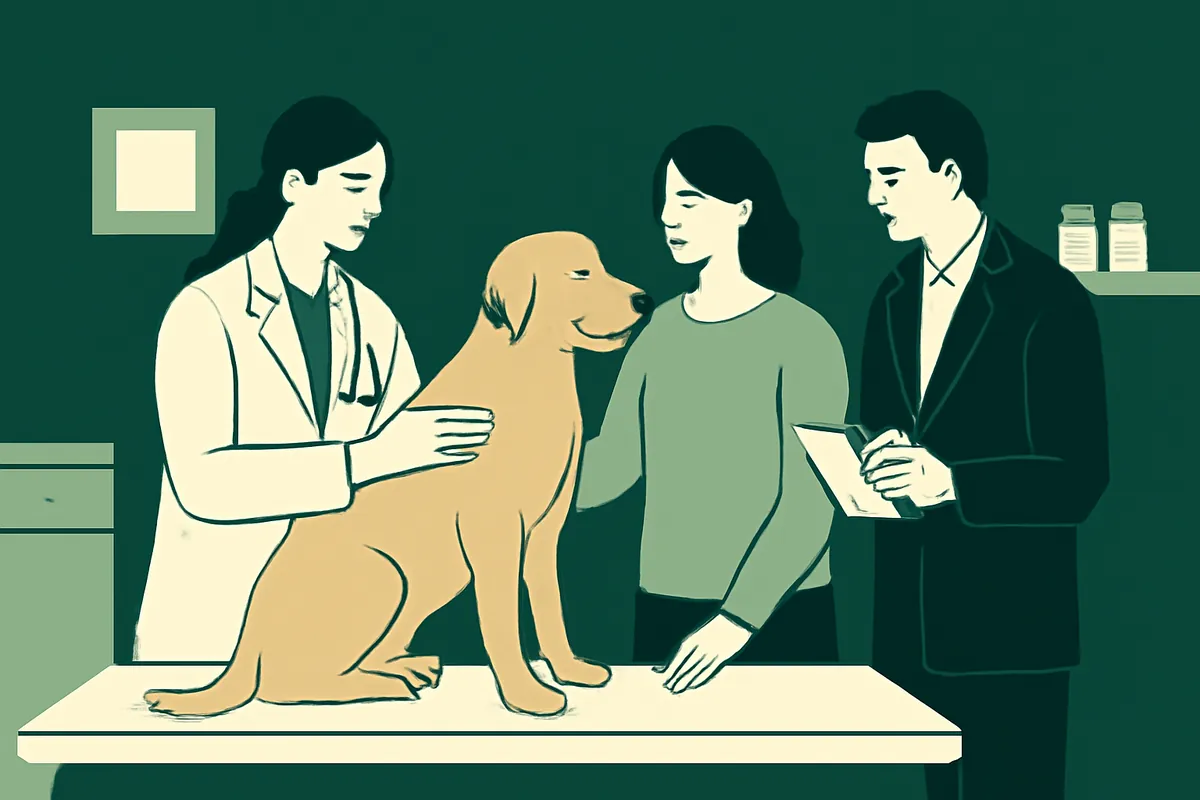
"Pet nutritionist" can mean very different things. It might describe a board-certified veterinary specialist with years of residency training, or a consultant who has completed a short course, or someone with no training at all. Owners rarely know the difference, which is why anyone advising on pet nutrition needs to be precise about who they are and what they may do.
Veterinary nutritionists
A board-certified veterinary nutritionist is a veterinarian who has completed additional specialist training in nutrition, usually a residency lasting several years, and passed a specialty board examination.
- In North America, the specialty is certified by the American College of Veterinary Internal Medicine, which includes nutrition as a specialty.
- In Europe, the equivalent is the European College of Veterinary and Comparative Nutrition.
Because they are veterinarians, they can examine animals, diagnose disease and prescribe treatment. Their typical work includes:
- Formulating diets for animals with kidney disease, liver disease, diabetes, pancreatitis, urinary stones, severe food allergy and other conditions.
- Designing complete home-cooked diets for animals with complex needs.
- Advising other vets on difficult cases.
- Research and pet food formulation.
There are relatively few of them, and many work at universities, referral hospitals or pet food companies. Owners usually reach them through their own vet.
General practice vets
Every vet studies nutrition and advises on diet as part of routine care. Guidance from the World Small Animal Veterinary Association encourages a nutritional assessment as part of every consultation. Vets prescribe therapeutic diets and decide when a case needs a specialist.
Pet nutrition consultants
A pet nutrition consultant advises owners of healthy animals on feeding. The role usually involves:
- Explaining how to choose and compare foods.
- Calculating energy needs and feeding amounts.
- Planning diets through life stages.
- Supporting weight management in healthy animals, ideally with the vet's involvement.
- Discussing alternative diets and their risks.
- Recognising signs that need a vet, and referring.
Consultants are not veterinarians. They cannot diagnose disease, prescribe treatment or design diets to treat illness.
Side by side
| Board-certified veterinary nutritionist | General practice vet | Pet nutrition consultant | |
|---|---|---|---|
| Veterinary degree | Yes | Yes | No |
| Specialist training | Residency and board exam | General veterinary training | Varies: courses, certificates, assessments |
| Can diagnose and treat | Yes | Yes | No |
| Therapeutic diets for disease | Formulates them | Prescribes them | Supports the owner in following the vet's plan |
| Healthy-animal feeding advice | Yes | Yes | Yes |
| How owners reach them | Usually by vet referral | Directly | Directly, often through pet businesses |
The legal boundary
In the US, the UK, Canada and Australia, diagnosing and treating animal disease is restricted to veterinarians by law. That boundary applies to nutrition too: recommending a diet to treat a disease is treatment.
In practice, a consultant should refer to a vet when a pet:
- Has a diagnosed medical condition, or is on a prescription diet.
- Has lost weight without explanation, or has a reduced appetite.
- Has vomiting, diarrhoea or other digestive signs that persist.
- Is itchy, with skin or ear problems that might be allergy.
- Is drinking or urinating more than usual.
- Is pregnant, very young, very old or recovering from illness, where changes carry more risk.
How consultants and vets work well together
The strongest consultants treat vets as partners, not competitors:
- Ask for the pet's vet details at the first consultation.
- Share written plans with the vet when the pet has any health history.
- Use clear language in your paperwork: "This advice is for healthy animals and does not replace veterinary care."
- When in doubt, refer. A consultant who refers appropriately earns the trust of vets and owners alike.
Choosing who to trust, as an owner
If you are an owner reading this: for a pet with a medical condition, start with your vet, who may refer you to a veterinary nutritionist. For everyday feeding questions about a healthy pet, a trained consultant can help, as long as they are clear about their training and their limits.
Related guides
- How to become a certified pet nutritionist: the full route into consulting.
- Pet nutrition certifications compared: what each credential qualifies you to do.
- The Pet Nutrition Consultant certification includes therapeutic diets and when to refer as a core topic.
Written by the PetCred Editorial Team and checked against the published curriculum for this program. Laws and requirements change and differ by place: check local rules before relying on anything legal or regulatory here.
More pet nutrition guides
How to Become a Certified Pet Nutritionist: A Practical Guide
What a pet nutrition consultant does, the science to learn, where consulting ends and veterinary care begins, and how to choose a certification.
25 September 2026

How to Read a Pet Food Label: A Practical Guide for Consultants
Nutritional adequacy statements, guaranteed analysis, dry matter comparisons and the ingredient list: what a pet food label tells you and what it does not.
25 September 2026

How to Calculate a Dog's Calorie Needs
Resting and daily energy requirements, life-stage factors, body condition scoring and how to turn a calorie target into a practical feeding plan.
25 September 2026

Raw and Home-Cooked Pet Diets: What Nutrition Consultants Should Know
The appeal, the evidence and the risks of raw and home-cooked diets for dogs and cats, and how a consultant can advise owners safely and honestly.
25 September 2026