Raw and Home-Cooked Pet Diets: What Nutrition Consultants Should Know
The appeal, the evidence and the risks of raw and home-cooked diets for dogs and cats, and how a consultant can advise owners safely and honestly.
PetCred Editorial Team · Updated 25 September 2026 · 4 min read
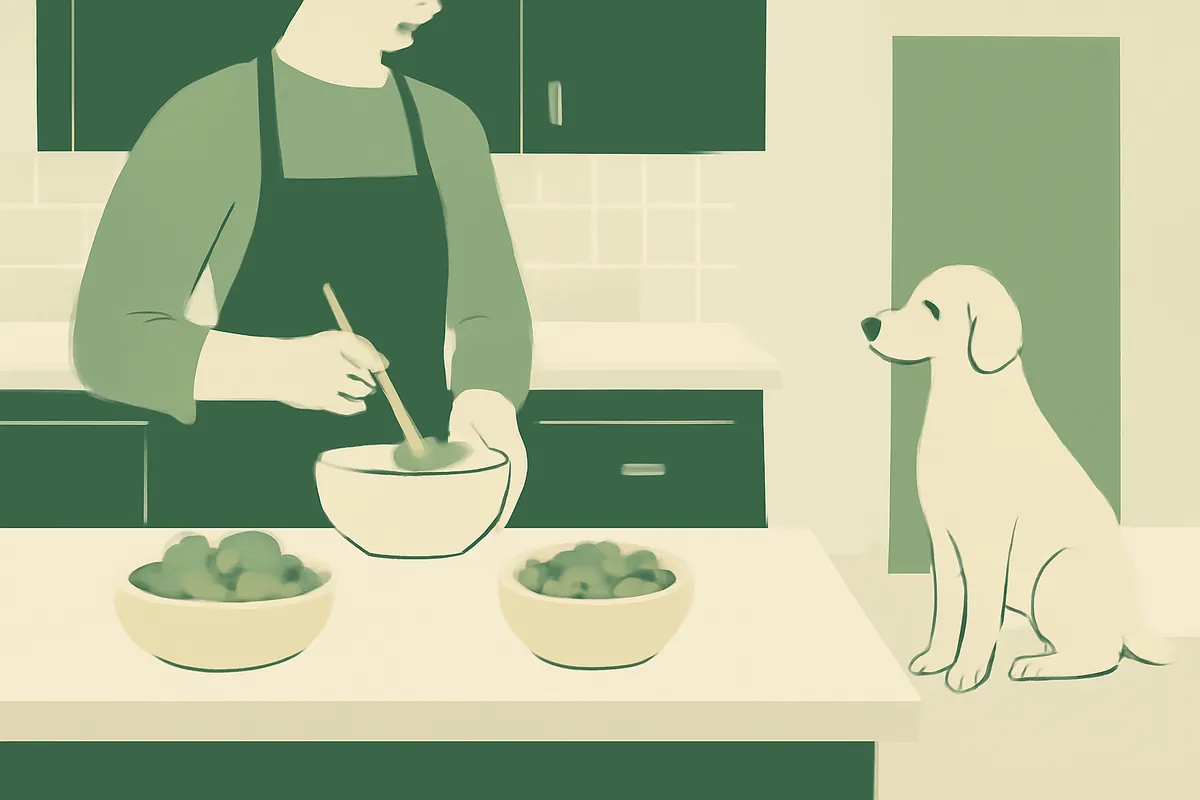
Few topics in pet care provoke stronger opinions than raw and home-cooked feeding. Some owners are convinced it transformed their dog's health; some vets see it as an avoidable risk. A pet nutrition consultant needs to understand both sides, know what the evidence says, and help owners make safe decisions without lecturing them.
Why owners choose raw or home-cooked
Understanding the motivation makes the conversation easier. Owners commonly say they want:
- Fewer processed ingredients and more control over what their pet eats.
- To follow what they see as a more natural diet.
- To help with a problem such as itching, digestive upset or fussy eating.
- To bond with their pet through preparing food.
These are reasonable goals. The question is whether a particular diet meets them safely.
What the evidence says
Most claims for raw feeding, such as better coats, cleaner teeth or longer lives, come from owner reports rather than controlled studies. Owner impressions are real, but they are also shaped by expectation, by the switch to a more palatable food, and by the extra attention that comes with preparing it.
The risks, on the other hand, are well documented.
Pathogens
Raw meat can carry bacteria such as Salmonella, Listeria and E. coli. Studies of commercial raw pet foods have repeatedly found these organisms. Pets can carry and shed them without showing illness, putting people in the household at risk, especially young children, older people, pregnant women and anyone with a weakened immune system.
The US Food and Drug Administration and the American Veterinary Medical Association both discourage feeding raw or undercooked animal-source protein to pets for these reasons.
Nutritional balance
Home-prepared diets are frequently unbalanced. Studies of published home-cooked recipes, from books and websites, have found that the large majority are deficient in one or more essential nutrients, commonly calcium, certain vitamins and trace minerals. Deficiencies may take months to show, and they are especially harmful to growing animals.
Bones and physical hazards
Raw bones can cause broken teeth, choking, and blockages or injuries in the gut.
Home-cooked diets
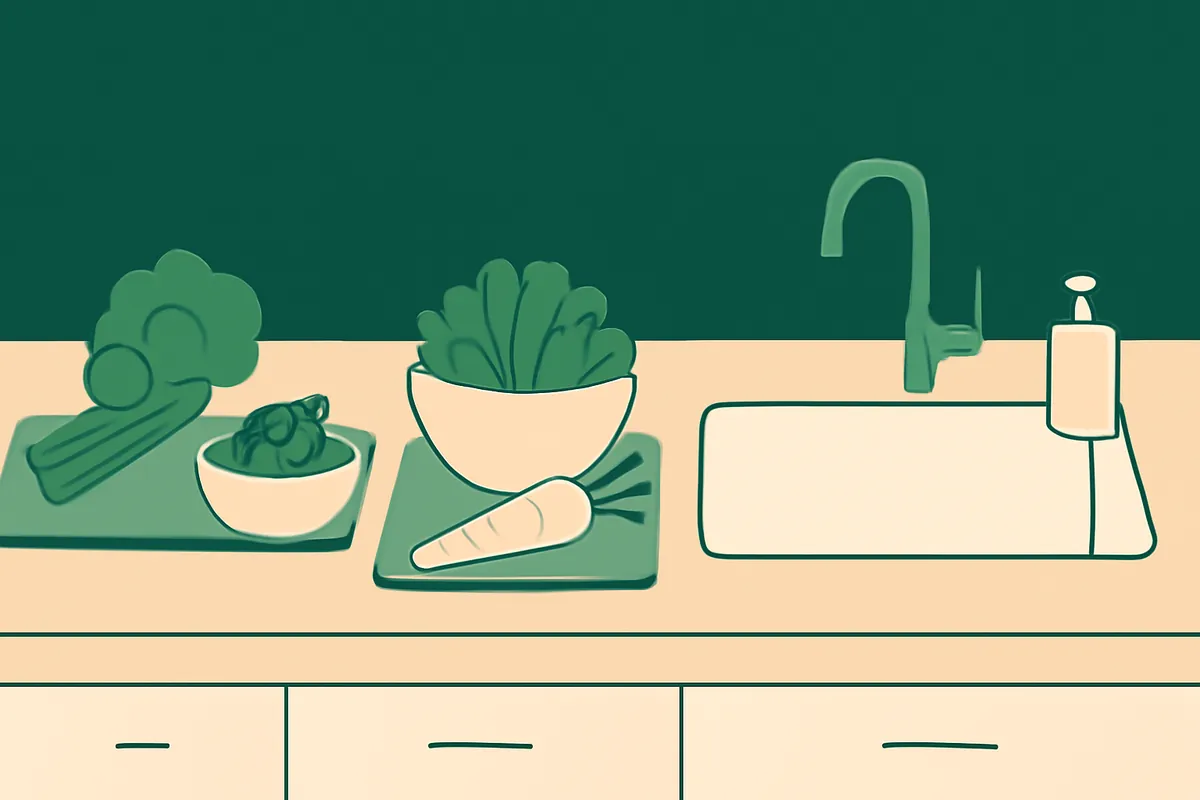
Home-cooked diets avoid most pathogen risk if ingredients are cooked properly, but the balance problem remains. The safest approach is a recipe formulated specifically for the pet by a board-certified veterinary nutritionist, or through a service that uses one, followed exactly, with the correct supplements.
Common problems with home-cooked feeding:
- Recipes drift over time as owners substitute ingredients.
- Supplements are left out because the food "looks complete".
- Calcium is too low in meat-heavy diets without bone or a calcium supplement.
- Portions are not matched to energy needs.
Cats need extra caution
Cats are obligate carnivores with specific needs for nutrients from animal tissue, including taurine. Home-made cat diets that are unbalanced can cause serious illness, including heart and eye problems from taurine deficiency. Vegetarian or vegan diets for cats carry significant risk and should only ever be considered under veterinary supervision.
How to advise owners safely
A consultant's job is not to win an argument. It is to reduce risk while respecting the owner's goals.
- Ask why. Understanding their motivation shows you what matters to them.
- Check the household. Are there young children, elderly or immunocompromised people? That changes the risk of raw feeding considerably.
- Check the pet. Growing puppies and kittens, pregnant animals and pets with medical conditions should not be fed unbalanced diets; involve the vet.
- Look at the actual diet. Is it a commercial complete raw food, or a do-it-yourself mix? Does the label say "complete and balanced" for the pet's life stage?
- Offer safer alternatives that meet the same goal: a complete commercial food with fewer ingredients, a lightly cooked commercial complete diet, or a home-cooked recipe formulated by a veterinary nutritionist.
- If they continue with raw, reduce the risk: a complete and balanced commercial product, strict kitchen hygiene, separate utensils and surfaces, thorough handwashing, cleaning bowls after every meal, and care with feeding near children.
Language that helps
- Replace "you're harming your dog" with "here's what we know about the risks, and how to reduce them".
- Acknowledge what the owner has noticed, then add the evidence.
- Be honest about uncertainty: some questions are genuinely unsettled.
- Refer to the vet when the pet has any health problem or is in a high-risk life stage.
Related guides
- How to read a pet food label: checking whether a food is complete and balanced.
- Pet nutritionist vs veterinary nutritionist: who can formulate therapeutic and home-cooked diets.
- Raw, home-cooked and alternative diets are a core topic in the Pet Nutrition Consultant curriculum.
Written by the PetCred Editorial Team and checked against the published curriculum for this program. Laws and requirements change and differ by place: check local rules before relying on anything legal or regulatory here.
More pet nutrition guides
How to Become a Certified Pet Nutritionist: A Practical Guide
What a pet nutrition consultant does, the science to learn, where consulting ends and veterinary care begins, and how to choose a certification.
25 September 2026
Pet Nutritionist vs Veterinary Nutritionist: Who Does What
The difference between a pet nutrition consultant and a board-certified veterinary nutritionist, what each may do, and how to work within your scope.
25 September 2026
How to Read a Pet Food Label: A Practical Guide for Consultants
Nutritional adequacy statements, guaranteed analysis, dry matter comparisons and the ingredient list: what a pet food label tells you and what it does not.
25 September 2026
How to Calculate a Dog's Calorie Needs
Resting and daily energy requirements, life-stage factors, body condition scoring and how to turn a calorie target into a practical feeding plan.
25 September 2026