How to Become a Certified Dog Behaviorist: A Practical Guide
What a dog behaviorist does, the knowledge to learn, where your role stops and a vet's begins, and how to choose a dog behaviorist certification.
PetCred Editorial Team · Updated 1 August 2026 · 10 min read
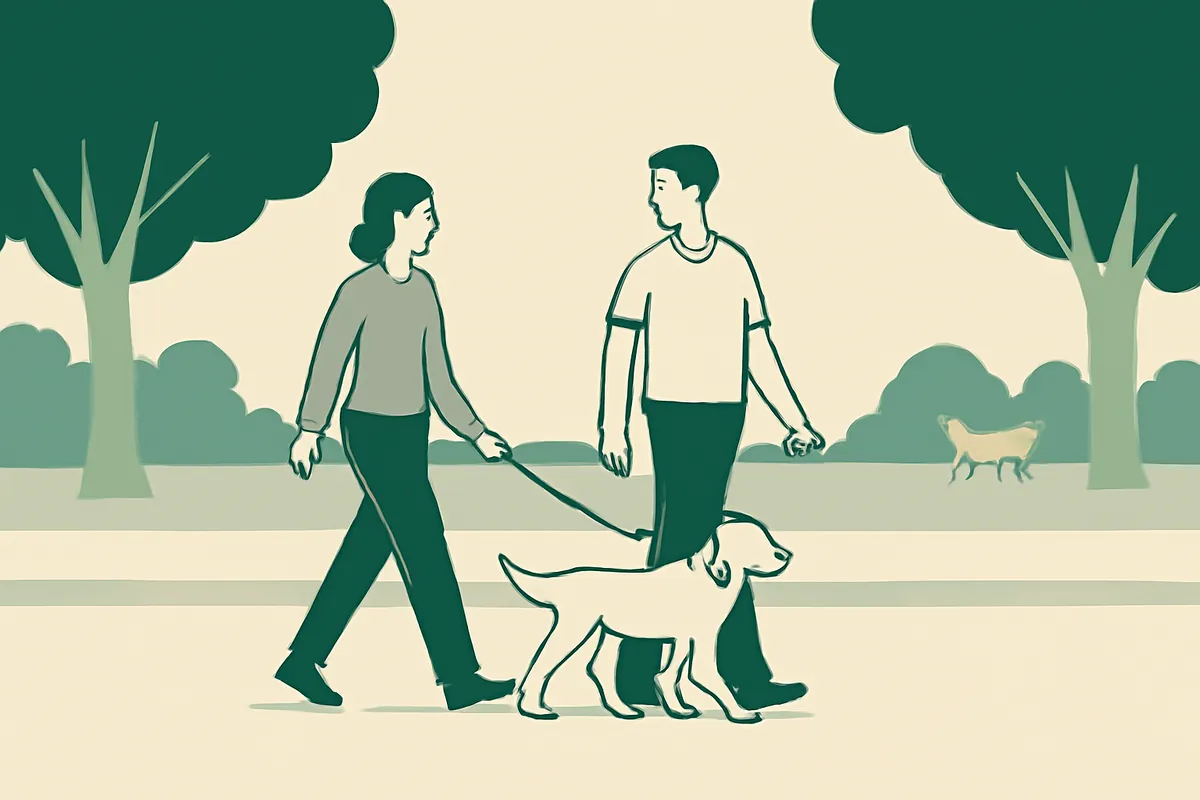
A dog behaviorist helps owners with the problems ordinary training does not fix: the dog that lunges at every other dog on the street, the dog that panics when left alone, the dog that growls when someone reaches for its bowl. If you already train dogs, groom them or care for them, you probably meet these cases every week. Getting a dog behaviorist certification is how you show owners, vets and employers that you understand why dogs behave the way they do and how to change behavior humanely and safely.
There is no single official route. In most places "dog behaviorist" is not a protected title at the time of writing, so the people using it range from veterinarians with years of specialist training to someone who read one book. What separates a professional clients can trust is knowledge you cannot see from the outside: learning theory, body language, how fear and pain drive behavior, how to keep everyone safe around a dog that bites, and exactly when a case belongs with a vet.
This guide covers what the work involves, the knowledge you need, how to get experience, how to choose a certification and how to start taking cases.
What a dog behaviorist actually does
Most behavior work is detective work followed by coaching. A typical case looks like this:
- Intake. A detailed history: the problem, when it started, how often it happens, what the owner has tried, the dog's health, routine, diet and household.
- Observation. Watching the dog, in person or on video, to see the behavior, its triggers and the body language around it.
- Referral where needed. Asking the owner to see their vet when pain, illness or a sudden change could be part of the picture.
- A plan. Management to keep everyone safe and stop the problem being rehearsed, plus a behavior modification program the owner can actually follow.
- Coaching. Teaching the owner the skills, checking in, adjusting the plan as the dog changes.
The dog is only half of the job. You spend much of your time teaching people, often people who are tired, embarrassed or frightened of their own dog. Patience, clear explanations and realistic goals matter as much as your technical knowledge.
Behaviorist, trainer or veterinary behaviorist?
These titles overlap, and owners use them loosely. Broadly:
- A dog trainer teaches skills and manners: sit, recall, loose-lead walking, settling in public.
- A behavior consultant or behaviorist works on problem behavior with emotional roots: fear, anxiety, frustration, aggression.
- A veterinary behaviorist is a veterinarian with specialist training in behavior. Only a vet can diagnose medical conditions and prescribe medication.
Many professionals do more than one of these, and the lines are not sharp. We explain the differences, and when to refer to whom, in dog trainer vs dog behaviorist vs veterinary behaviorist.
Where your role stops
This boundary is the most important thing to understand before you take a single case.
Behavior and health are tangled together. A dog in pain may snap when touched. A thyroid problem, a skin condition, a urinary infection or cognitive decline in an older dog can all show up first as a change in behavior. A dog that suddenly becomes aggressive, anxious or withdrawn needs a vet before it needs a behavior plan.
So, as a behaviorist without veterinary training:
- You do not diagnose medical conditions, and you do not tell owners a behavior "is not medical".
- You never recommend, name or adjust medication. Some dogs benefit from medication prescribed by their vet alongside a behavior plan. That decision belongs entirely to the vet.
- You refer promptly: any sudden change in behavior, any sign of pain, and any case where the dog is not improving as expected.
- You refer serious aggression you are not qualified to handle to a more experienced behaviorist or a veterinary behaviorist.
Good behaviorists build working relationships with local vets. Many vets are glad to have someone they can refer behavior cases to, once they trust that person to stay within scope.
The knowledge you need
Learning theory
Everything a behaviorist does rests on how animals learn. You need a working command of classical conditioning (learning what predicts what) and operant conditioning (learning what behavior leads to what outcome), and how they interact in a real dog. When a dog learns that the doorbell predicts strangers, it is classical conditioning; when it learns that barking makes the stranger leave, it is operant conditioning. Most problem behaviors involve both. Our guide to positive reinforcement dog training covers the foundations.
Reinforcement, punishment and timing
Why a behavior keeps happening is almost always because something reinforces it. You need to identify that reinforcer, understand why punishment tends to suppress warning signals rather than the fear behind them, and deliver consequences with good timing. Modern professional and veterinary behavior organizations recommend reward-based methods, and a behaviorist should be able to explain why.
Body language and stress signals
You must read dogs fluently: the early, quiet signals (lip licking, yawning, turning away, freezing) as well as the obvious ones (growling, snarling, snapping). Reading these well is what keeps you, the owner and the dog safe. See fear, stress and aggression: reading the warning signs.
Fear, anxiety and reactivity
A large share of behavior cases come down to fear: of other dogs, strangers, noises, handling or being alone. You need to understand thresholds, trigger stacking, and why a frightened dog cannot learn much while it is frightened. Two of the most common case types have their own guides: reactivity in dogs and separation-related problems.
Aggression assessment and safety management
Aggression is the case type with the highest stakes. You need to assess risk honestly (who is at risk, how predictable the triggers are, how severe any bites have been), put management in place straight away, and know when a case is beyond your experience.
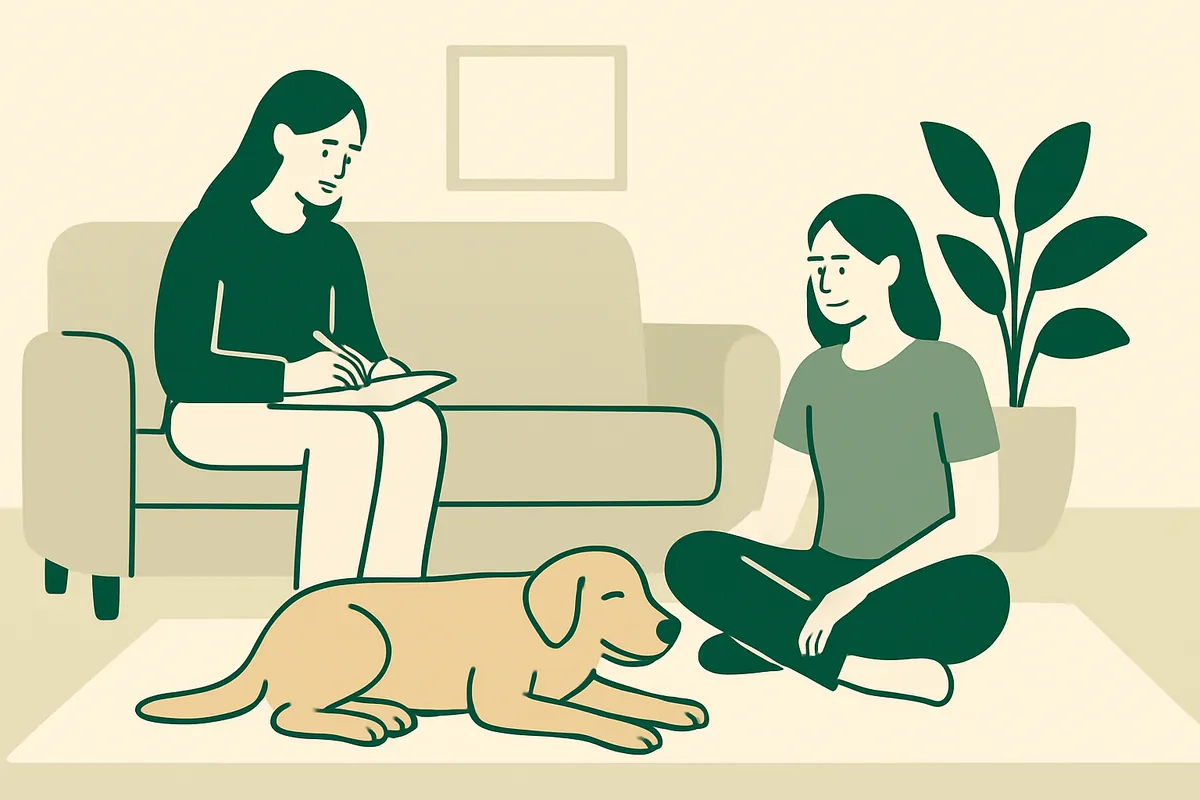
Designing behavior modification plans
A plan turns your understanding into steps. The core tools are desensitization and counterconditioning, teaching alternative behaviors, and changing the environment so the problem stops being rehearsed. A good plan is written down, broken into small steps, and realistic for the owner's life.
Puppy development and socialization
Many adult problems begin in puppyhood. You should understand the sensitive period for socialization, why early experiences matter so much, and how to guide owners of puppies so that small worries do not become lasting fears.
Client coaching and compliance
A perfect plan that the owner cannot follow helps nobody. You need to explain the "why" in plain words, demonstrate skills, set homework that fits a busy household, and keep owners going when progress feels slow.
Getting hands-on experience
Knowledge is necessary but not enough. Behavior work needs experience with many dogs and many owners. Common ways to build it:
- Start as a trainer. Most behaviorists come from training. Group classes and one-to-one sessions teach you handling, timing and how to coach people.
- Volunteer at a rescue or shelter. Shelters have many fearful and stressed dogs, and experienced staff who can show you how they handle them safely.
- Shadow or assist an established behaviorist. Sitting in on consultations teaches you how to take a history, how to deliver difficult news and how to write a plan.
- Keep case notes. Write up every dog you work with: the problem, your hypothesis, the plan and the outcome. It sharpens your thinking and gives you evidence of experience later.
- Study with a mentor. Discussing real cases with someone more experienced is one of the fastest ways to improve.
Take on the simplest cases first. Mild fear of the vacuum cleaner or pulling toward other dogs out of excitement are good places to learn. Leave serious aggression until you have experience and support.
A typical case, start to finish
A worked example helps show how the pieces fit.
An owner contacts you about her three-year-old terrier cross, who has started growling when her partner walks past the sofa in the evening. It began about two months ago. The dog has never bitten.
- Intake. You ask about health first. It turns out the dog has been slower on walks lately and yelps occasionally when picked up. That is a signal for a vet check before anything else.
- Referral. You explain that pain is a common cause of new growling and ask the owner to see her vet. You do not guess at a diagnosis.
- Management now. While she waits for the appointment, you suggest giving the dog a comfortable bed away from the walkway, asking the partner not to reach over or lift the dog, and not punishing the growl, which is useful information.
- After the vet. The vet finds a problem and treats it. The growling becomes less frequent, but the dog is still wary of the partner.
- The plan. Now you work on the learned part: the partner tosses a treat toward the dog as he walks past at a distance the dog is comfortable with, building a new association. You teach the owner to spot early signs of discomfort.
- Follow-up. You check in weekly, adjust distances and eventually fade the plan into normal life.
Notice how much of that case was not training at all: asking the right questions, referring, keeping people safe and coaching the household.
Choosing a dog behaviorist certification
Because the title is mostly unregulated, a named, checkable credential is how you stand out. The main types are:
- Veterinary specialist qualifications, open only to veterinarians. These allow diagnosis and prescribing and sit at the top of the field.
- Academic credentials in applied animal behavior, usually requiring a relevant degree and supervised clinical experience.
- Independent exam-based credentials for behavior consultants, which combine a knowledge exam with documented experience and continuing education.
- Registers and professional bodies, some of which assess applicants before listing them.
- Knowledge assessments, including online ones, which test the theory and how you apply it to written scenarios.
Each proves something different. A practical or experience-based credential shows you have worked with real cases; a knowledge assessment shows what you understand and can explain. We compare them in detail, including what each qualifies you to do, in dog behaviorist certifications compared.
Setting up to take cases
When you are ready to work with clients, a few practical pieces matter:
- Insurance. Professional and public liability insurance is standard. Tell your insurer you do behavior work, since aggression cases can carry different risks from basic training.
- An intake form. A thorough questionnaire covering health, history, routine and the problem itself saves time and helps you spot cases that need a vet first.
- A vet referral process. A short letter or form you can send to the dog's vet, and a clear rule for which cases you will not start until the vet has seen the dog.
- Written plans and reports. Clients forget what was said in a consultation. A clear written summary improves follow-through and protects you.
- Clear policies. What you will and will not take on, how follow-up support works, and what happens if a case needs referring on.
- Local rules. Business registration and, in some places, rules about dogs with a bite history. Check with your local authority.
How long it takes
| Starting point | Typical path | What you gain |
|---|---|---|
| Already a working dog trainer | Study behavior science, take on simple cases, build case notes | A natural move from skills to problem behavior |
| Working with dogs in another role | Train as a trainer first, then specialize | Handling and coaching experience before harder cases |
| New to working with dogs | Volunteer, study, work as a trainer or assistant | A broad foundation, but expect years rather than months |
| Veterinarian | Specialist training in veterinary behavior | The ability to diagnose and prescribe |
The knowledge can be learned in months. Judgment takes much longer, and it comes from working through many cases with feedback. Experienced behaviorists keep learning for their whole careers.
Mistakes new behaviorists make
- Skipping the vet. Starting a training plan for a problem that turns out to be pain wastes the owner's time and leaves the dog suffering.
- Taking cases beyond their experience. A dog with a serious bite history is not a learning case. Refer it on, and ask to observe if you can.
- Promising a cure. Many behavior problems improve a great deal, but some need lifelong management. Set honest expectations from the first call.
- Flooding the dog. Exposing a frightened dog to its trigger at full strength "so it gets used to it" usually makes fear worse.
- Overloading the owner. Ten exercises a day will not happen. Two that fit into the owner's routine will.
- Dismissing management. Stopping the dog from rehearsing the problem, with gates, routes, timing or a muzzle, is not a failure of training. It is often the most important first step.
For what behavior work pays, with the closest official figures and how case income is built, read how much dog behaviorists make.
Where to start today
If you are at the beginning, a good first month is: study learning theory and body language properly, watch dogs and name every signal you see, offer to help at a local rescue, and ask an experienced trainer or behaviorist whether you can sit in on consultations.
When you want to check your knowledge, try the free sample canine behaviorist questions. They use the same format as the Canine Behaviorist assessment, with model answers so you can compare your reasoning.
Frequently asked questions
Do you need a degree to become a dog behaviorist?
Not in most places, because the title is generally unregulated at the time of writing. Some credentials, such as academic applied animal behavior qualifications and veterinary specialist titles, do require degrees. Many behavior consultants instead combine years of training experience with study and an exam-based or knowledge credential.
Can a dog behaviorist prescribe medication?
No, unless they are also a veterinarian. Only a vet can diagnose medical conditions and prescribe medication. A behaviorist without veterinary training refers the owner to their vet and supports the vet's decisions with a behavior plan.
Can I study dog behavior online?
You can learn and be assessed on the theory online: learning science, body language, fear and aggression, plan design and client coaching. Reading real dogs and coaching real owners has to be learned in practice, ideally alongside an experienced trainer or behaviorist.
Written by the PetCred Editorial Team and checked against the published curriculum for this program. Laws and requirements change and differ by place: check local rules before relying on anything legal or regulatory here.
Free course
Dog Behavior Fundamentals: A Free 5-Lesson Course
Five short lessons, a quick check after each, no sign-up. Start now →
More dog behavior guides

Dog Behaviorist Certifications Compared
Veterinary, academic, consultant, course and online options for animal behaviorist certification: what each one proves, who can get it and how to choose.
24 September 2026
Desensitization and Counterconditioning Explained
How desensitization and counterconditioning change a dog's fear, why the order of trigger and food matters, and how to build a step-by-step plan.
21 September 2026
Fear, Stress and Aggression: Reading the Warning Signs
The dog aggression warning signs every pet professional should know, from subtle stress signals to growls, what to do when you see them and when to refer.
18 September 2026
Separation-Related Problems in Dogs: A Guide for Professionals
Dog separation anxiety and look-alike problems: how professionals recognize them, assess a case, build a graduated plan and know when to refer to a vet.
7 September 2026