How Much Do Dog Behaviorists Make?
Dog behaviorist salary explained honestly: why no official figure exists, the closest ones in four countries, and how consultations and follow-ups build income.
PetCred Editorial Team · Updated 26 September 2026 · 6 min read
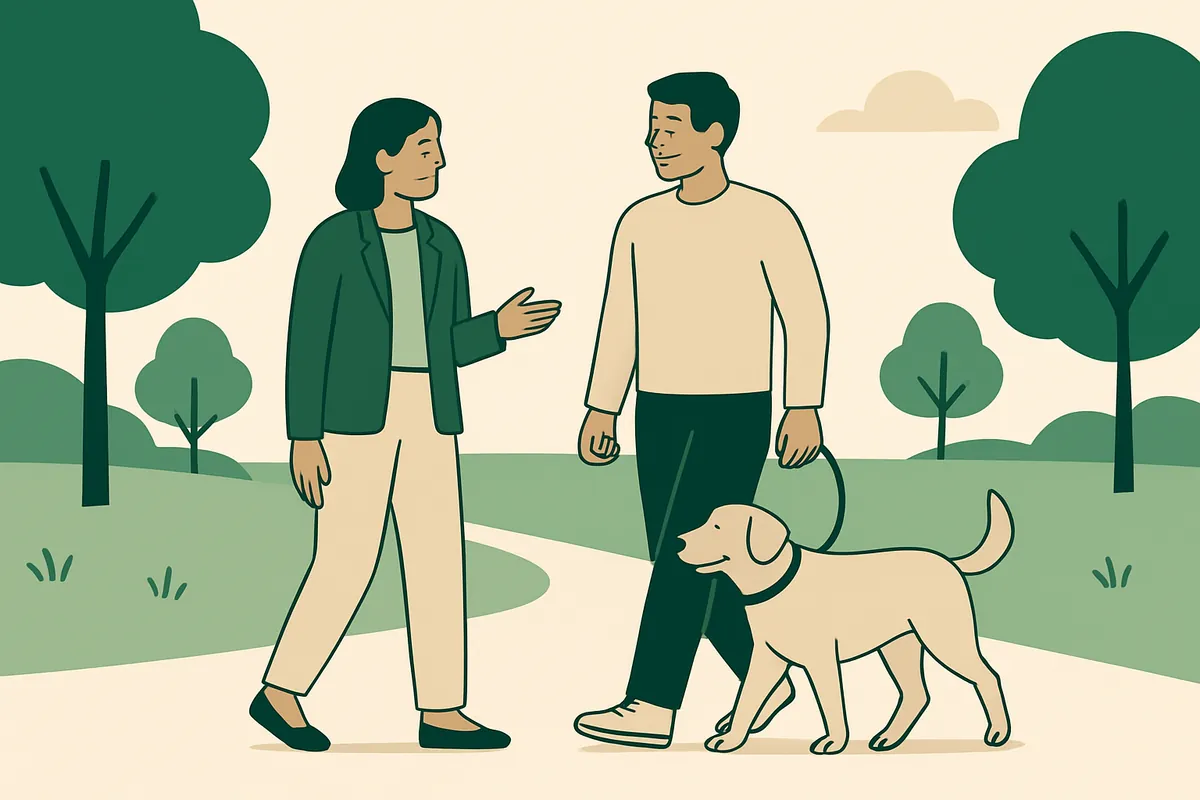
How much a dog behaviorist makes is hard to answer with a number, because "dog behaviorist" is not one job. The title is used by veterinary behaviorists, who are veterinarians with specialist training, by behavior consultants with years of study and supervised casework, and by trainers who have added behavior work to their services. In most places it is not a protected title at the time of writing, and no statistics office publishes pay figures for it.
So this guide is honest about what exists and what does not. It shows the closest official figures in the US, UK, Canada and Australia and explains why none of them is a dog behaviorist salary. Then it sets out how behavior consulting income is actually built, from long consultations, follow-ups, travel and referrals, with a worked example you can repeat with your own numbers. Figures checked September 2026.
What official statistics say about dog behaviorist pay
All amounts are gross, before tax, in the local currency. Read each one as context, not as a behaviorist salary.
United States
The Bureau of Labor Statistics publishes no figure for dog behaviorists. The closest category for non-veterinary behavior work is Animal Trainers (SOC 39-2011). In the Occupational Employment and Wage Statistics survey for May 2025, animal trainers had a median annual wage of USD 39,990; the lowest 10 percent earned less than USD 29,600 and the highest 10 percent more than USD 75,490. Source: BLS Occupational Outlook Handbook, Animal Care and Service Workers.
The wage survey does not include the self-employed, and the same handbook lists self-employed workers as 39 percent of animal trainer jobs in 2025. Most independent behavior consultants are therefore outside the figure. Veterinary behaviorists are veterinarians, a different profession with its own pay data, and are not covered here.
United Kingdom
The National Careers Service has a job profile called Pet behaviour consultant. It gives the average salary as "Variable" rather than a figure, with typical hours of 30 to 40 a week, also marked variable. That fits a role whose pay depends on how the work is organized rather than on a standard wage.
Canada
Job Bank has no occupation for dog or animal behaviorists, so there is no official Canadian figure for the role. Dog trainers, the nearest listed title, sit in Pet groomers and animal care workers (NOC 65220), with a national median of CAD 18.00 an hour (low CAD 15.00, high CAD 25.50) for the reference period 2023-2024. Source: Job Bank, dog trainer wages in Canada. That group is dominated by care and grooming work and says little about behavior consulting.
Australia
Jobs and Skills Australia has no behaviorist occupation. The nearest group is Animal Attendants and Trainers (ANZSCO 3611), whose listed tasks include teaching animals to obey commands and addressing behavior problems, alongside grooming, kennel and zoo work. Its median weekly earnings were AUD 1,276 for full-time non-managerial adult employees, before tax, from the ABS Survey of Employee Earnings and Hours, May 2025. Source: Jobs and Skills Australia, Animal Attendants and Trainers. The site notes these ANZSCO figures will not be updated again.
Why there is no reliable salary figure
- The title is unregulated in most places, so the people using it range from specialists to beginners.
- Most behavior consultants are self-employed, and the main pay surveys count employees.
- The work sits inside wider categories (trainers, animal care workers) whose pay reflects very different jobs.
Our guide to dog trainer vs dog behaviorist vs veterinary behaviorist explains the differences between these roles in more detail.
How behavior consulting income is built
Long cases, not quick sessions
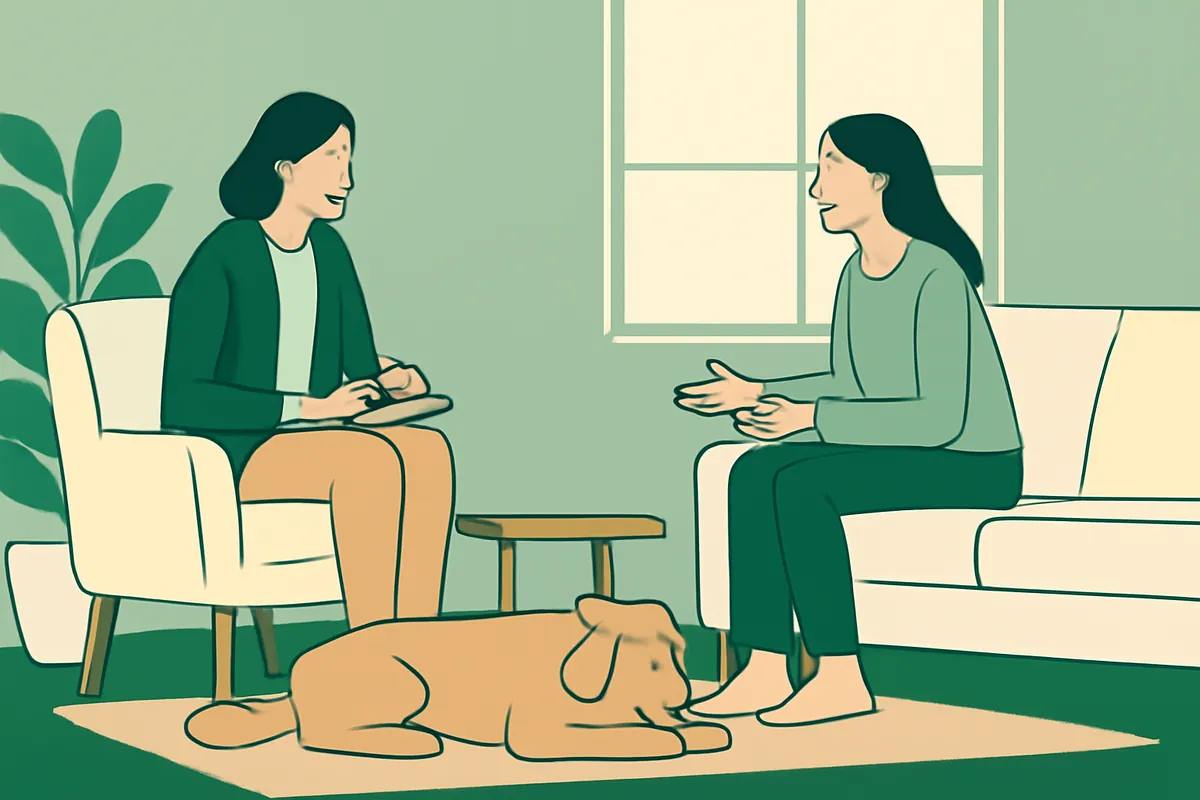
A behavior case is not a one-hour lesson. It usually involves a detailed history form, a long first consultation, a written plan, and follow-up sessions or check-ins over weeks. The time you spend before and after each visit is as real as the visit itself, and your pricing has to include it.
Case formats
- Initial consultation: history review, observation, discussion of management and a first plan. Often the longest appointment.
- Follow-up sessions: shorter visits or video calls to coach the owner and adjust the plan.
- Packages: an initial consultation plus a set number of follow-ups and support, priced together.
- Remote consultations: no travel, though you still need the history, video of the dog and written follow-up.
- Referral work from vets, who may ask for a behavior plan alongside their own care.
Scope and referral
Behavior work always sits beside veterinary care. Pain, illness and other medical problems can cause or worsen behavior changes, so a sudden change in behavior needs a vet first. Only a veterinarian can diagnose medical causes or decide on medication. Aggression cases carry real risk to people and animals, and need someone qualified and experienced in that work. Good referral relationships with vets are both the right thing to do and one of the best sources of cases.
Caseload limits
Complex cases are demanding. A behavior consultant can take on fewer cases in a week than a trainer can run classes, because each case needs thought, writing and follow-up. That caps income unless prices reflect the time.
What certification can and cannot change
A behaviorist certification does not create a legal right to practice or set a fee. What it can do is show owners and vets that you understand learning theory, body language, the effects of fear and pain, and where your role stops and the vet's begins. It does not prove hands-on skill with difficult dogs; supervised casework and results do. See dog behaviorist certifications compared for what the different routes prove.
A worked example: pricing an initial consultation
This uses the method of the free pet service price calculator. The inputs are invented to show the method. They are not typical earnings, costs or fees, and they are in no particular currency.
| Input | Example value |
|---|---|
| Income goal a month, before tax | 2,500 |
| Share set aside for tax and savings | 25% |
| Business costs a month (insurance, software, courses, memberships) | 450 |
| Consultation time, including history review and written plan | 150 minutes |
| Travel time, round trip | 40 minutes |
| Travel distance and running cost | 20 km at 0.30 per km |
| Supplies per consultation | 0 |
| Hours a month for client work, including travel | 70 |
| Share of slots you expect to fill | 65% |
Working through it:
- Profit needed: 2,500 ÷ 0.75 = about 3,333.
- Monthly target with costs: about 3,783.
- Consultations that fit: each takes 190 minutes with travel, so 22 whole ones fit into 70 hours. At 65 percent booked, 14.
- Cost per consultation: 20 × 0.30 = 6.
- Price per consultation: 3,783 ÷ 14 + 6 = about 276.24.
- Break-even: 450 ÷ 14 + 6 = about 38.14.
A result like this can look high, and that is the point of the exercise: long appointments with unpaid preparation cannot be priced like a training session. Run the calculator again for follow-ups, which are shorter, and for remote consultations with no travel. Then compare the results with what owners near you actually pay and with the value of solving a problem that may be putting a dog's home at risk.
How to increase income responsibly
- Price the whole case. Include history review, report writing and follow-up, not only the time in the room.
- Use packages. A consultation plus follow-ups gives the dog a better chance and gives you more predictable income.
- Offer remote follow-ups where they suit the case, to cut travel time.
- Build vet relationships. Send clear, short reports back to referring vets. It is good practice and brings repeat referrals.
- Stay within your competence. Refer cases beyond your experience, especially serious aggression, and never advise on medication.
- Keep learning. Behavior science moves on, and continuing education is part of the job.
Where to go next
For the full route into the work, read how to become a certified dog behaviorist. To see the kind of knowledge assessed, try the free dog behavior sample questions, and read what the Canine Behaviorist certification covers. Then use the pet service price calculator to work out consultation and follow-up prices from your own numbers.
Frequently asked questions
Is there an official salary figure for dog behaviorists?
Not in the US, UK, Canada or Australia at the time of writing. Statistics offices group behavior work with animal trainers or animal care workers, and most of their pay surveys count only employees, while many behavior consultants are self-employed.
Do veterinary behaviorists and behavior consultants earn the same?
They are different professions. Veterinary behaviorists are veterinarians who can diagnose medical causes and prescribe; behavior consultants work alongside vets on behavior modification and owner coaching. Their pay is set in different ways and is not comparable.
Why do behavior consultations cost more than training sessions?
A behavior case includes history review, a long first appointment, a written plan and follow-up, much of it outside the visit itself. Pricing that time honestly usually gives a higher figure per appointment than a training lesson.
Written by the PetCred Editorial Team and checked against the published curriculum for this program. Laws and requirements change and differ by place: check local rules before relying on anything legal or regulatory here.
Free course
Dog Behavior Fundamentals: A Free 5-Lesson Course
Five short lessons, a quick check after each, no sign-up. Start now →
More dog behavior guides
How to Become a Certified Dog Behaviorist: A Practical Guide
What a dog behaviorist does, the knowledge to learn, where your role stops and a vet's begins, and how to choose a dog behaviorist certification.
1 August 2026

Dog Behaviorist Certifications Compared
Veterinary, academic, consultant, course and online options for animal behaviorist certification: what each one proves, who can get it and how to choose.
24 September 2026
Desensitization and Counterconditioning Explained
How desensitization and counterconditioning change a dog's fear, why the order of trigger and food matters, and how to build a step-by-step plan.
21 September 2026
Fear, Stress and Aggression: Reading the Warning Signs
The dog aggression warning signs every pet professional should know, from subtle stress signals to growls, what to do when you see them and when to refer.
18 September 2026