Separation-Related Problems in Dogs: A Guide for Professionals
Dog separation anxiety and look-alike problems: how professionals recognize them, assess a case, build a graduated plan and know when to refer to a vet.
PetCred Editorial Team · Updated 7 September 2026 · 6 min read
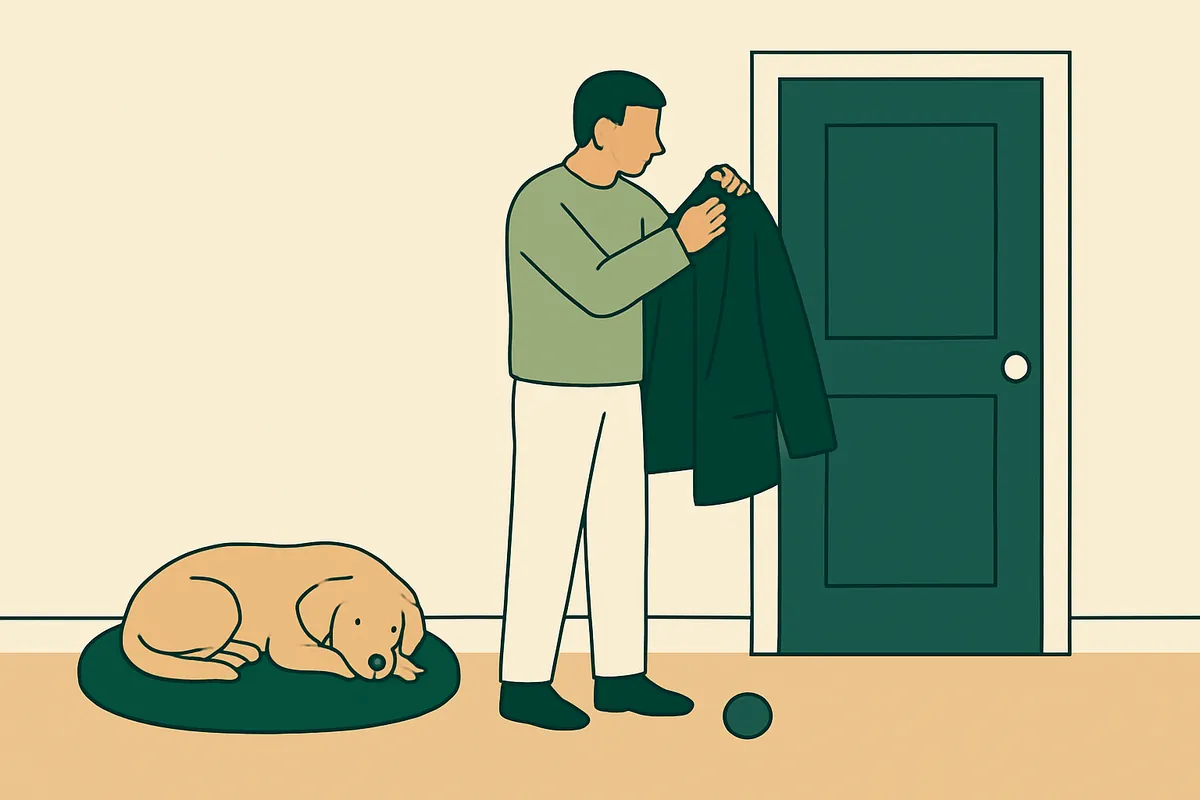
Owners usually describe it as dog separation anxiety: the dog howls when they leave, scratches at the door, chews the frame, or has accidents it never has when someone is home. Professionals tend to say "separation-related problems" instead, because not every dog that misbehaves alone is anxious, and the right plan depends on what is really going on.
This guide is written for trainers, behaviorists, sitters and other pet professionals. It covers how to recognize separation-related problems, the other causes that look similar, how to assess a case, how a behavior plan works, and where your role stops and the vet's begins.
This article is general guidance for professionals. It does not replace a veterinary examination. Some medical conditions look like separation problems, and a dog in real distress when alone should be seen by a vet.
What separation-related problems look like
The behaviors happen only, or mainly, when the dog is alone or separated from a particular person. Common signs include:
- Barking, howling or whining, often starting soon after the owner leaves.
- Scratching, chewing or digging at doors, windows or crate bars, sometimes with injuries to paws or mouth.
- Urinating or defecating indoors in a dog that is otherwise house-trained.
- Pacing, panting, drooling or trembling.
- Refusing food or chews left for them.
- Distress as the owner prepares to leave: following them from room to room, trembling, hiding.
- An extreme greeting when the owner returns.
Signs vary a lot between dogs. Some are loud and destructive; others lie still, panting and drooling, and their distress is easy to miss without video. Some dogs cope with one person leaving but not another, and some cope as long as any person is there.
Separation anxiety or something else?
Several other problems can look like separation anxiety, and a plan built on the wrong explanation will not work. Before calling it dog separation anxiety, consider:
- Boredom or lack of exercise. A young, energetic dog may chew and bark because it has nothing to do. These dogs are usually relaxed, just busy.
- Incomplete house training. Accidents that also happen when people are home point to house training, not separation.
- Noise or other fears. A dog frightened by thunder, fireworks or building work may panic when alone because the noise happens to coincide with the owner's absence.
- Frustration at confinement. Some dogs dislike being shut in a crate or a room, but are fine loose in the house.
- Medical problems. Urinary problems, digestive upsets, pain and hormonal conditions can all cause accidents or restlessness. In older dogs, cognitive decline can bring new anxiety, confusion and night waking.
This is why a vet check is part of the process, especially for house soiling, a sudden onset or an older dog.
Assessing the case
Take a detailed history
Useful questions include:
- When did it start, and did anything change around then (a move, a new job, a new baby, a death, a stay in kennels)?
- What exactly happens, how soon after the owner leaves, and for how long?
- Does it happen every time, or only with certain people, times or places?
- How does the dog behave when the owner is getting ready to leave?
- How long is the dog routinely left alone?
- What has already been tried, including any punishment?
- Any health concerns, recent illness or changes in eating, drinking or toileting?
Ask for video
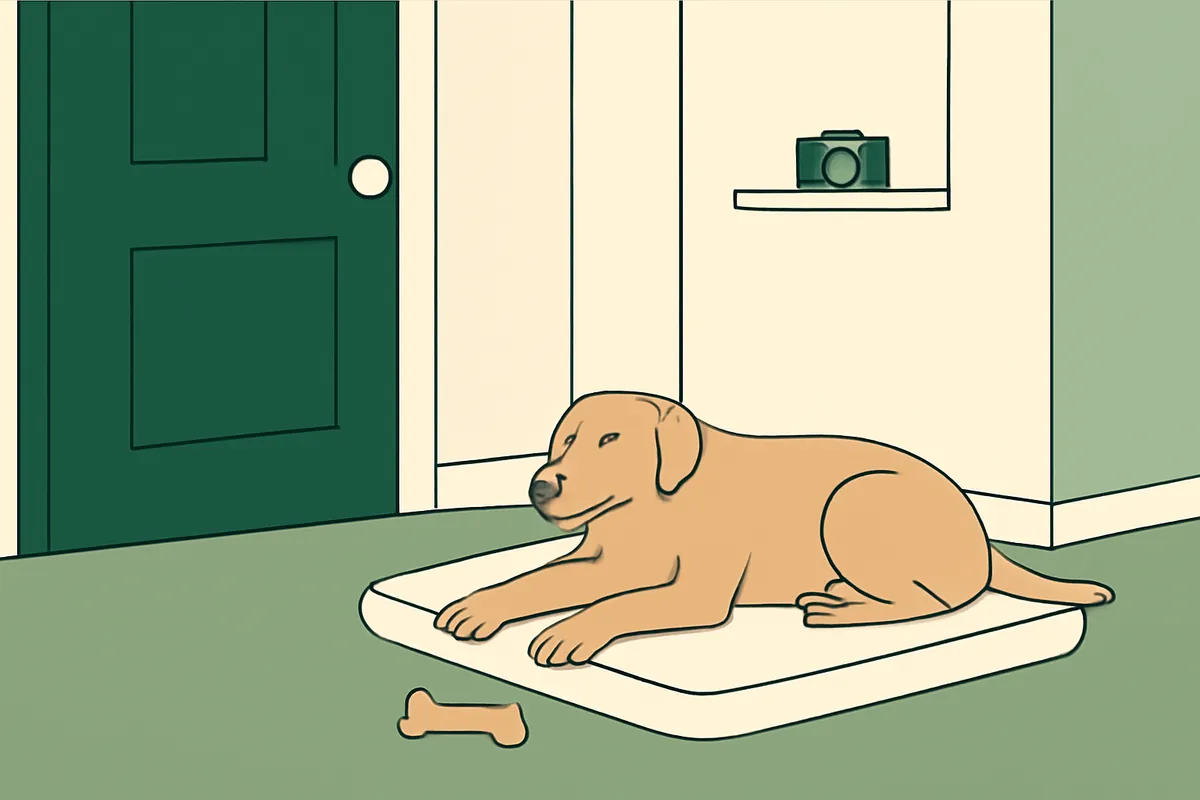
Video is the single most useful tool in a separation case. Ask the owner to film the dog from the moment they leave, for a short absence first. You will see when the distress starts, what it looks like, whether the dog settles, and whether something else (a delivery, a noise) is setting it off. Many owners are surprised by what they see, in both directions.
Management: stop the dog being left beyond what it can cope with
The most important step in a real separation case is also the hardest for owners: while the plan is running, the dog should not be left alone for longer than it can tolerate. Every panic episode sets progress back.
That sounds impossible for working owners, but there are options:
- A trusted friend, relative or neighbor who can be with the dog.
- A pet sitter or dog walker to break up the day.
- A day care setting, if the dog copes well with other dogs.
- Taking the dog to work, where that is allowed.
- Rearranging schedules within the household.
Some dogs cope well as long as any person is present, which makes this easier. Others are attached to one person, which makes it harder.
The behavior plan
The core of most plans is graduated absences: teaching the dog, in very small steps, that being alone is safe.
- Find the starting point. Using video, find how long the dog can be alone before showing any sign of stress. For some dogs it is minutes; for some it is seconds.
- Start below that point. Absences begin well within what the dog can handle, so it stays calm throughout.
- Increase slowly and unpredictably. Absences get longer in small steps, mixed with shorter ones, so the dog does not learn that each one will be harder.
- Watch for stress. If the dog shows stress, the next sessions go back to an easier level.
- Work on departure cues. Picking up keys or putting on shoes can trigger anxiety. Owners can practice these cues without leaving, so they lose their meaning.
- Keep arrivals and departures calm. Low-key goodbyes and hellos help keep the emotional temperature down.
This is desensitization applied to being alone, and it is slow. Progress is rarely steady, and plans often take many weeks or months.
Supporting steps help:
- Enough exercise and enrichment, so the dog is ready to rest.
- A comfortable resting place where the dog feels safe. For some dogs this is a crate; for others a crate increases panic. Watch the dog, do not assume.
- Food toys or chews can help some dogs settle during short absences, but a dog in real distress will often ignore them. Refusing food is a sign the absence is too long.
- Independence at home, such as rewarding the dog for settling on its bed while the owner moves around.
What does not help
- Punishment. Scolding a dog for damage or accidents it caused while panicking only adds fear. The dog cannot connect the punishment to what happened earlier.
- "Letting it cry it out". A dog in real panic does not learn to cope by being left to panic.
- Getting another dog. Some dogs do better with company, but many separation cases are about a specific person, and a second dog is not a reliable fix. It can also mean two dogs with problems.
- Bark collars and similar devices. They do nothing about the fear behind the barking and can make it worse.
Medication and the vet
In some cases a vet may decide that medication would help the dog cope while the behavior plan runs. This is entirely the vet's decision, based on an examination.
As a professional without veterinary training, do not name, suggest or discuss medications, doses or supplements. If you think a dog's distress is severe, tell the owner and recommend they speak to their vet. If the dog is on medication, follow the vet's guidance and share your observations of progress with the owner's agreement.
When to refer
Refer to a vet when there is house soiling, a sudden onset, an older dog with new anxiety, signs of illness or pain, or self-injury from escape attempts. Refer to a more experienced behaviorist when the case is severe, when progress stalls, or when it is beyond your experience. Separation cases can be long and emotionally draining for owners, so a clear plan and realistic expectations from the start make a big difference.
Next steps
Separation-related problems draw on several topics in the Canine Behaviorist curriculum: fear and anxiety, behavior modification plans and client coaching. To test your reasoning on case questions, try the free sample canine behaviorist questions. For another common case type, see reactivity in dogs, and for the full route into behavior work, how to become a certified dog behaviorist.
Frequently asked questions
How long does it take to help a dog with separation anxiety?
It varies widely. Graduated absence plans move in small steps and often take many weeks or months, with setbacks along the way. Progress is faster when the dog is not left alone beyond what it can cope with while the plan runs.
Will getting a second dog fix separation anxiety?
Not reliably. Some dogs are comforted by company, but many separation problems are about a particular person, and a second dog does not help. Assess the case and try a plan first.
Written by the PetCred Editorial Team and checked against the published curriculum for this program. Laws and requirements change and differ by place: check local rules before relying on anything legal or regulatory here.
Free course
Dog Behavior Fundamentals: A Free 5-Lesson Course
Five short lessons, a quick check after each, no sign-up. Start now →
More dog behavior guides
How to Become a Certified Dog Behaviorist: A Practical Guide
What a dog behaviorist does, the knowledge to learn, where your role stops and a vet's begins, and how to choose a dog behaviorist certification.
1 August 2026

Dog Behaviorist Certifications Compared
Veterinary, academic, consultant, course and online options for animal behaviorist certification: what each one proves, who can get it and how to choose.
24 September 2026
Desensitization and Counterconditioning Explained
How desensitization and counterconditioning change a dog's fear, why the order of trigger and food matters, and how to build a step-by-step plan.
21 September 2026
Fear, Stress and Aggression: Reading the Warning Signs
The dog aggression warning signs every pet professional should know, from subtle stress signals to growls, what to do when you see them and when to refer.
18 September 2026