How to Start a Dog Walking Business
How to start a dog walking business step by step: what to offer, rules and insurance, equipment, safety routines, finding clients and growing with care.
PetCred Editorial Team · Updated 15 August 2026 · 7 min read
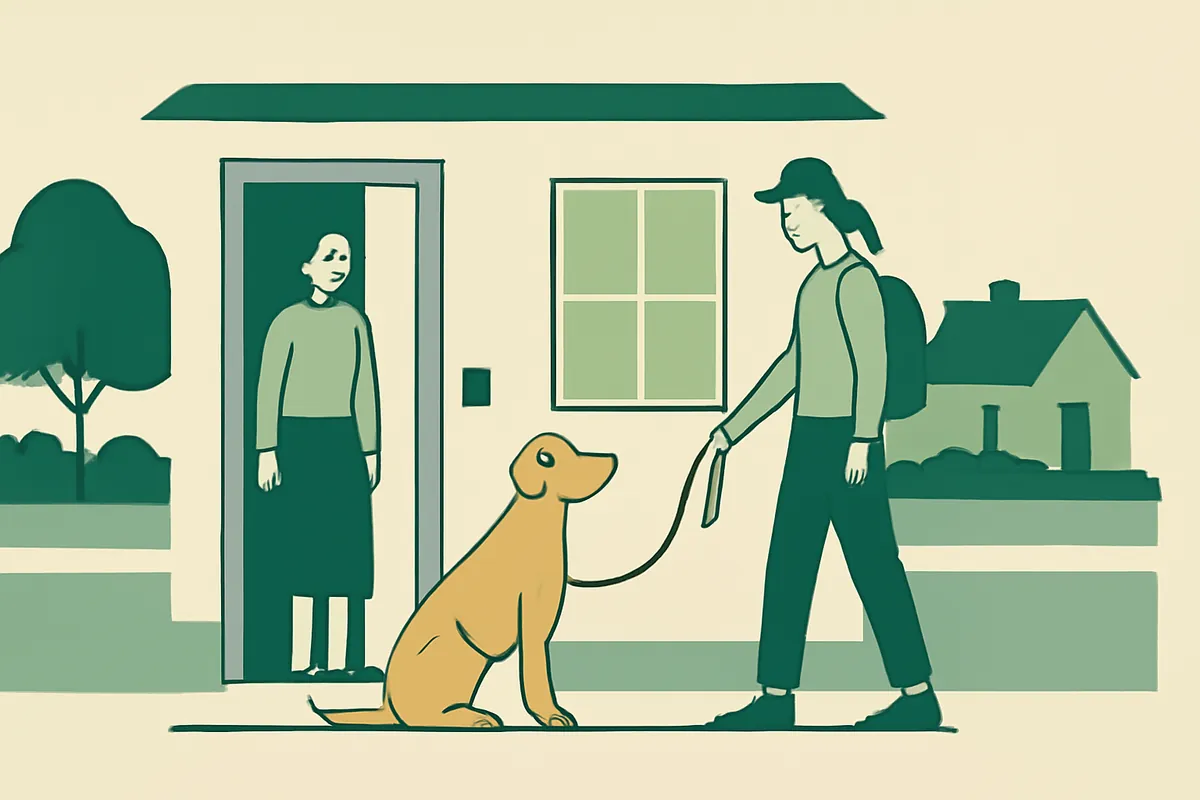
If you are working out how to start a dog walking business, the good news is that it is one of the easiest pet businesses to begin: you need no premises, little equipment and, in most places, no specific license. That is also why it is crowded. The walkers who build a steady, well-paid client list are the ones who run it as a professional service from the first day, with clear systems for safety, communication and money.
This guide takes you through it step by step: deciding what to offer, the rules and insurance to check, the equipment and safety systems you need, how to find your first clients and how to grow without letting standards slip.
Is a dog walking business right for you?
The work is simple to describe and demanding to do well. You walk in all weather, handle dogs of every size and temperament, and are responsible for other people's animals near roads, parks, wildlife and other dogs. You also spend a surprising amount of time driving, messaging owners and keeping records.
It suits you if you are fit, calm around unfamiliar dogs, organized, and comfortable making decisions alone. It helps to understand dog body language well, because most problems on a walk (a scuffle, a pulled lead, a frightened dog slipping its collar) show warning signs before they happen.
Decide what you will offer
Start with a clear, limited menu. It is easier to deliver well and easier to price.
- Solo walks. One dog at a time. Suited to reactive, elderly, young or very strong dogs, and to owners who want individual attention for their dog.
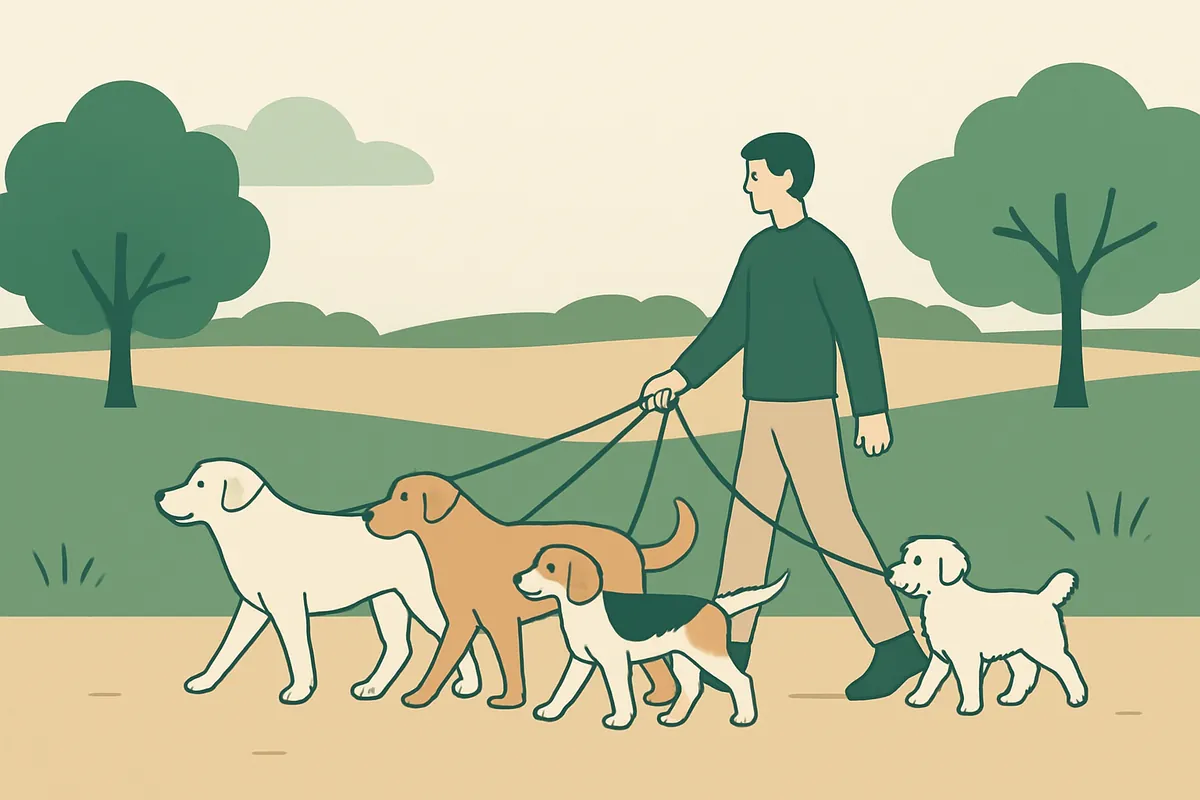
- Small group walks. Several compatible dogs together. More efficient for you, and many dogs enjoy the company, but it needs careful selection and handling. See walking several dogs safely.
- Puppy and short visits. Toilet breaks, a meal and some play for puppies or dogs who cannot manage long walks.
- Add-ons. Feeding, giving prescribed medication, or towel-drying and cleaning paws after muddy walks.
Decide too whether you will collect dogs by car. Transport widens the places you can walk and the number of dogs you can fit into a day, but it adds costs, vehicle insurance questions and the responsibility of keeping dogs safe and secure while driving.
How to start a dog walking business, step by step
- Build the knowledge. Learn dog body language, stress signals, safe handling, lead and harness fitting, heat and cold risks, and what to do in an emergency. A pet first aid course is one of the best early investments. See how to get pet first aid and CPR certified.
- Get experience with many dogs. Walk for friends, volunteer at a shelter, or work for an established walker before going solo.
- Choose your area. A tight radius keeps travel short and lets you build a route around several clients.
- Check the rules. Business registration, tax, and any local limits on the number of dogs per walker or permits for commercial walkers in parks. Read do you need a license or insurance to be a pet sitter?
- Arrange insurance. Public liability cover is standard, and many walkers add cover for the dogs and keys in their care.
- Set your prices from your costs, time and local market. See how to set your prices for pet sitting and dog walking.
- Write your paperwork. A service agreement, a client and dog information form, and written consent for anything that carries extra risk, such as off-lead time.
- Choose a booking and payment system that records visits and sends invoices, so nothing depends on your memory.
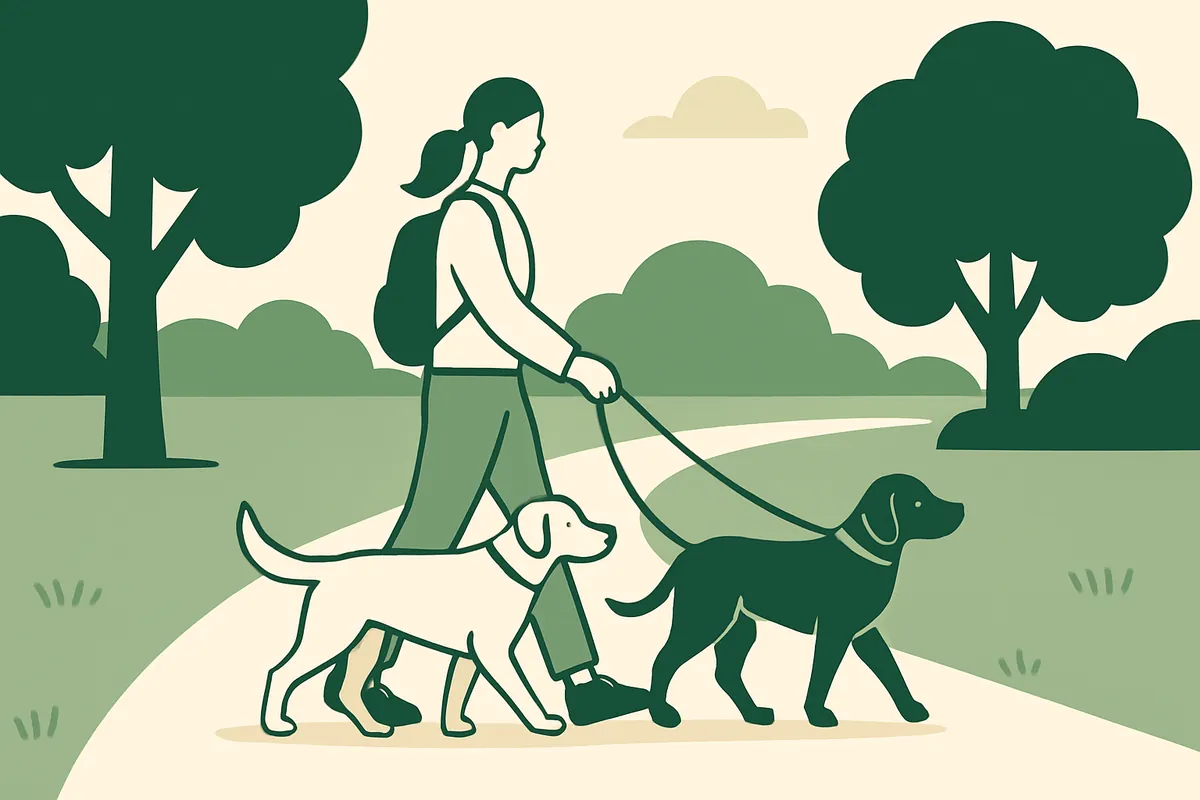
Equipment you need
You do not need much, but what you carry should be reliable:
- Spare leads and a spare well-fitting harness or slip lead, in case a client's equipment breaks or turns out to be unsafe.
- Poop bags in quantity, and a way to carry used ones between bins.
- Water and a collapsible bowl, especially in warm weather.
- A pet first aid kit, kept in your bag or car and checked regularly.
- A phone with a charged battery and every client's emergency and vet details saved.
- High-visibility gear for you and, in low light, for the dogs.
- Towels and, if you drive, secure crates or dog seat restraints suitable for the vehicle.
- Treats, only those each owner has approved, since allergies and diets vary.
Avoid retractable leads for dogs in your care. They give you little control near roads and other dogs and are easy to drop.
Build safety into every walk
Clients hire a walker to keep their dog safe. A few routines prevent most incidents:
- Check equipment at every pickup. Collars and harnesses should be snug enough that the dog cannot back out of them. A frightened dog slipping its collar near a road is one of the most serious risks in the job.
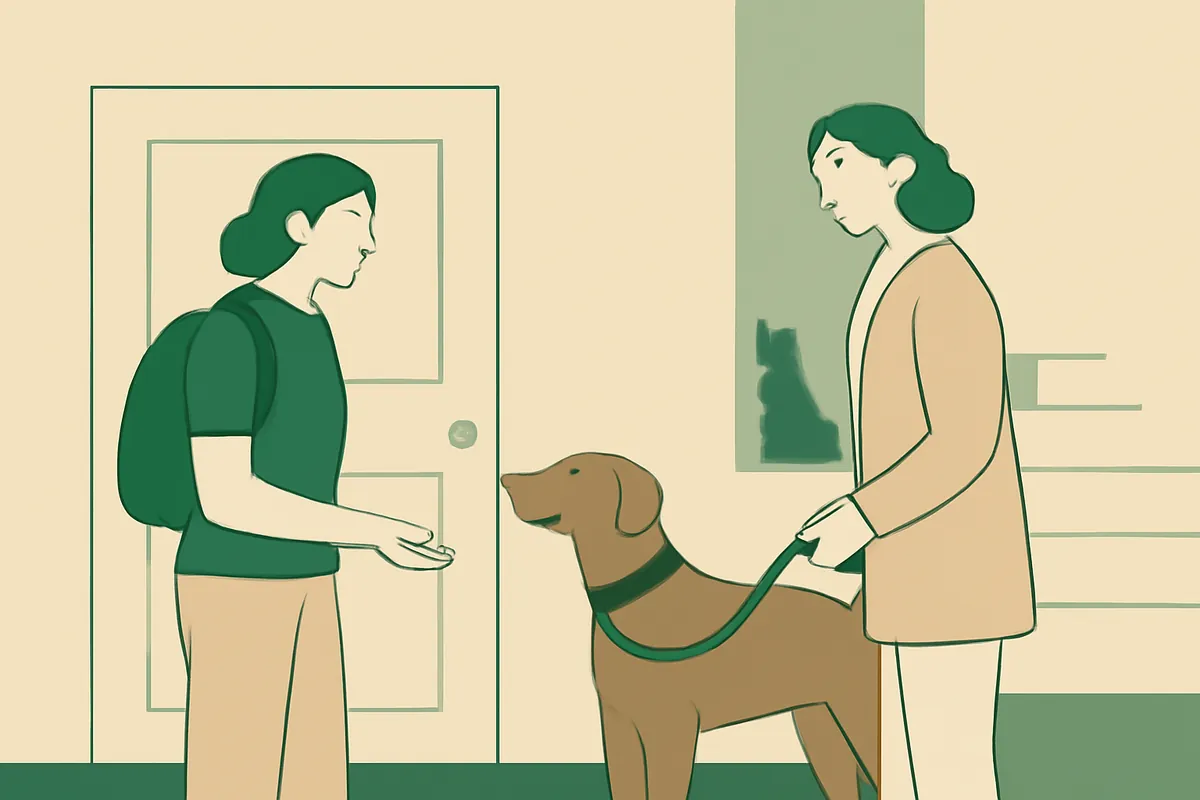
- Know every dog before you walk it. Meet dog and owner first, walk the dog alone before adding it to a group, and ask about recall, fears, prey drive and health issues. The meet-and-greet checklist lists what to collect.
- Off-lead only with written consent from the owner, where local rules allow it, and only for dogs with reliable recall that you have tested on a long line.
- Watch the weather. Shorten or reschedule walks in heat, walk in the cooler parts of the day, and never leave a dog in a parked vehicle on a warm day, even briefly. Know the signs of heatstroke, and the dogs most at risk, such as flat-faced breeds.
- Carry ID and a plan. Each dog should wear an ID tag. Decide in advance what you will do if a dog runs off, is injured or becomes ill, and who you call first.
- End every walk with a quick check of paws, coat and gait, and a short note to the owner.
If something does go wrong, keep yourself safe first, get the dog to a vet if it is hurt or unwell, and tell the owner promptly and honestly. Our guide to pet emergencies every pet professional should recognize covers the signs that mean a dog needs a vet now.
Show clients they can trust you
Owners hand a stranger their dog and often their house keys. They choose on trust, and they look for signs of it: clear policies, insurance, reviews, how you talk about safety, and training they can check.
A knowledge credential is one way to show what you know before they book. The Pet Concierge & Sitter assessment covers dog walking equipment, safety and group management alongside daily care, reading stress and illness, medication, home security, emergencies and professional standards. It tests knowledge through written scenarios, not hands-on skill, so pair it with the experience you describe to clients.
Finding your first clients
Start local and personal. The best early clients come from people who have seen you with dogs.
- Tell everyone you know, and offer a short introductory walk so owners can see how you work.
- Introduce yourself to local businesses that owners trust: vet practices, groomers, pet shops and trainers who do not walk dogs themselves. Leave a simple card and be clear about your area and services.
- Create a clear online presence: a simple website or profile with your area, services, insurance, policies and how to book.
- Ask happy clients for reviews and referrals once they have used you for a few weeks.
- Be visible and professional on walks. Tidy branded clothing, calm dogs and picking up after them are advertising too.
Growing without losing quality
When your days are full, you have three choices: raise your prices, fill the gaps between peak times, or bring in help. If you hire staff or work with other walkers, the reputation you built is now in their hands. Train them in your routines, check how they handle dogs before they walk alone, and find out what employment, tax and insurance obligations apply to you as an employer where you live.
Keep a backup arrangement from the start, even if you work alone. Illness, a broken-down car or a family emergency should not leave a client's dog without a walk.
Next steps
If you are starting from scratch, read our full guide to becoming a professional pet sitter, which covers the wider care knowledge many walkers also need. When you want to check where your knowledge stands, try the free sample pet sitter questions, which use the same format as the paid assessment and come with model answers.
Frequently asked questions
Do I need a license to start a dog walking business?
In most places there is no specific dog walking license, but you still need to register your business and follow tax rules. Some local authorities require permits for commercial walkers in certain parks or limit how many dogs one person may walk, so check your local rules.
What insurance does a dog walker need?
Public liability insurance is the usual starting point, and many walkers add cover for the dogs and keys in their care. If you drive dogs, check that your vehicle insurance covers business use.
Written by the PetCred Editorial Team and checked against the published curriculum for this program. Laws and requirements change and differ by place: check local rules before relying on anything legal or regulatory here.
Free course
Professional Pet Sitting Fundamentals: A Free 5-Lesson Course
Five short lessons, a quick check after each, no sign-up. Start now →
More pet sitting guides
How to Become a Professional Pet Sitter: Skills, Certification and First Clients
What professional pet sitters do, the knowledge owners expect, how to get experience, how pet sitter certification works and how to set up your business.
2 August 2026
Pet Sitter Certifications Compared
Pet sitting certification online and offline compared: association programs, courses, first aid, assessments and background checks, and what each proves.
25 September 2026
Walking Several Dogs Safely: Numbers, Leads and Compatibility
How many dogs can a dog walker walk? How to set safe numbers, choose compatible dogs, pick the right leads, read a group and respond if a fight starts.
22 September 2026
The Meet-and-Greet Checklist for New Pet Sitting Clients
What to collect at a pet sitting meet-and-greet: a complete pet sitter client form, vet authorization, routines, medication, home access and red flags.
19 September 2026