Do You Need a License or Insurance to Be a Pet Sitter?
Is there a pet sitting license? What the law requires in the US, UK, Canada and Australia, when boarding needs a permit, and the insurance pet sitters carry.
PetCred Editorial Team · Updated 27 August 2026 · 7 min read
Short answer: in most places there is no pet sitting license. At the time of writing, caring for pets in their owners' homes and walking dogs are generally not licensed professions in the United States, the United Kingdom, Canada or Australia, and you do not need a qualification to offer them.
The longer answer matters more. Every business must follow registration and tax rules. Looking after animals in your own home (boarding or day care) is licensed in many places. Some local authorities regulate commercial dog walkers in parks. And insurance, while rarely required by law, is expected by most clients and becomes compulsory in some countries once you employ staff. This article walks through each of those, country by country.
This is general information, not legal advice. Laws change and vary by state, province, territory and council. Check with your local authority, and with a qualified adviser where the stakes are high, before you start trading.
Is there a pet sitting license?
Not as a general rule. What the law usually cares about is not the title "pet sitter" but three things:
- Where the animal is cared for. Care in the owner's home is lightly regulated. Care in your home or premises (home boarding, day care, kennels) is where licensing most often applies.
- How many animals you handle at once, especially dogs in public spaces.
- Whether you are running a business, which brings registration, tax and, if you employ people, employment obligations.
Animal welfare law applies to everyone. Anyone responsible for an animal, even temporarily, can be held to account for its welfare, and a pet sitter in charge of a client's animals is responsible for them during that time.
United States
At the time of writing, US states generally do not license pet sitters or dog walkers. What usually applies:
- Business registration or a business license from your city, county or state, depending on where you live.
- Tax registration. Self-employment income must be reported, and some states and cities apply sales tax to certain services. Check with your state revenue department.
- Zoning and kennel rules if animals will stay at your home. Boarding or day care at home often needs zoning permission or a kennel permit, and homeowners' associations and leases can restrict it too.
- Local dog walking rules. Some cities require commercial dog walkers to hold a permit to use certain parks, or cap the number of dogs one person may walk.
- State animal cruelty laws, which apply to anyone caring for an animal.
- Employment obligations if you hire help, including workers' compensation rules that vary by state, and the question of whether helpers are employees or independent contractors.
United Kingdom
There is no license to pet sit in a client's home or to walk dogs in any part of the UK. The rules to know about:
- Home boarding and day care are licensed in England. Under the Animal Welfare (Licensing of Activities Involving Animals) (England) Regulations 2018, providing boarding for cats or dogs as a business, including boarding dogs in your own home and dog day care, needs a license from your local council. Businesses that arrange boarding with other hosts may need one too. Pet sitting in the owner's home and dog walking are not activities licensed under these regulations.
- Scotland, Wales and Northern Ireland have their own rules on animal boarding. Ask your local council before offering boarding or day care.
- The Animal Welfare Act 2006 (England and Wales), and its equivalents in Scotland and Northern Ireland, place a duty of care on anyone responsible for an animal, including temporarily.
- Limits on dog numbers. Councils can make Public Spaces Protection Orders, and some use them to limit how many dogs one person may walk in public places or to require dogs on leads in certain areas. The rules differ from one council to the next, so check each area you walk in.
- Tax. If you are self-employed, you will need to register with HM Revenue and Customs and file tax returns.
- Employers' liability insurance is generally a legal requirement once you employ staff.
- Data protection. You will hold clients' personal details, addresses and access information. UK data protection law applies, and you should check whether you need to pay the data protection fee to the Information Commissioner's Office.
Canada
Pet sitting and dog walking are not regulated professions in Canada, and no qualification is required. The rules that do apply are mainly municipal:
- Municipal business licenses, which some cities require for home-based or mobile businesses.
- Commercial dog walker permits in some municipalities, which can set conditions for walking dogs in parks, including a maximum number of dogs.
- Kennel or boarding licensing and zoning if you care for animals in your own home.
- Provincial animal welfare laws, which apply to everyone caring for animals.
- Provincial workers' compensation rules if you employ staff.
Australia
There is no national pet sitter license in Australia. Points to check with your council and state or territory:
- Home-based business rules, including limits on client visits and signage.
- Council approval for boarding or day care in your home, which some councils treat as an animal business.
- Limits on dogs in public places. Some councils restrict how many dogs one person may walk or have off-lead areas with their own rules.
- State or territory animal welfare legislation, which applies to anyone caring for an animal.
- Workers' compensation insurance, which employers must generally hold under state and territory schemes.
Do you need insurance to be a pet sitter?
Usually not by law, unless you employ staff in a country that makes employer cover compulsory. In practice, most professional pet sitters and dog walkers are insured, many clients ask to see a policy before they book, and some agencies and platforms require it.
Cover commonly held by pet sitters and walkers includes:
- Public liability (general liability) insurance, for injury to other people or damage to their property, such as a dog in your care knocking someone over.
- Cover for animals in your care, for injury, illness or loss of a client's animal while you are responsible for it. In the US this is often called care, custody and control coverage.
- Key cover, for the cost of replacing locks if you lose a client's keys.
- Bonding, common in the US, which offers clients some protection against theft by you or your staff.
- Vehicle insurance for business use, if you drive to visits or transport dogs. A personal policy may not cover business journeys.
- Employer cover, such as employers' liability or workers' compensation, if you take on staff.
Read the conditions as carefully as the headline cover. Many policies set limits, such as a maximum number of dogs walked at once, conditions on off-lead exercise, or exclusions for certain activities. If you break a condition, a claim may not be paid. Ask the insurer directly about anything you plan to offer that is not listed.
Contracts and records
A written service agreement is not usually a legal requirement, but it protects both you and the client. It should set out what you will do, prices and cancellation terms, key handling, what happens in an emergency, permission to seek veterinary treatment, and how disputes are handled. Have it reviewed by a qualified adviser where you work.
Good records matter too. A log of visits, medication given and anything unusual can help you explain what happened if a client or insurer questions it later. The meet-and-greet checklist covers the information to collect before a first booking.
Why training matters when the law does not require it
Because clients cannot see what you know. An owner choosing a sitter has reviews, photos and a conversation, and not much else. Training helps you prevent the incidents that lead to claims (an escape, a missed medication, an illness noticed too late), and some insurers ask about training. A credential that clients can check is one of the few concrete ways to show it.
The Pet Concierge & Sitter assessment includes contracts, insurance and professional standards, home security and client privacy, and emergency escalation alongside daily animal care. It tests knowledge, not hands-on skill, and it is not a license: it does not replace any permit or registration your area requires.
A checklist before you start
- Register your business and check whether your city or council requires a business license.
- Register for tax as self-employed or as a company, as applies where you live.
- If you will board animals or offer day care at home, find out which license, permit or zoning approval applies before you advertise.
- If you walk dogs, check local rules on permits, dog numbers and on-lead areas for every place you walk.
- Arrange insurance, read the conditions, and keep proof you can show clients.
- If you hire help, check your obligations as an employer, including compulsory insurance.
- Write a service agreement and a data and key handling routine.
- Decide how you will show clients your training, and describe any credential accurately.
For the full route into the profession, see how to become a professional pet sitter. If walking is your focus, read how to start a dog walking business. To test your knowledge, try the free sample pet sitter questions.
Frequently asked questions
Do I need a license to pet sit in someone else's home?
Generally not, at the time of writing, in the US, UK, Canada or Australia. You still need to register your business and pay tax, and local rules can apply to dog walking in parks. Check with your local authority, because rules vary and change.
Do I need a license to board dogs in my own home?
Often, yes. In England, boarding dogs in your home as a business needs a council license, and in many other places home boarding or day care needs a permit, zoning approval or council consent. Find out before you advertise.
Written by the PetCred Editorial Team and checked against the published curriculum for this program. Laws and requirements change and differ by place: check local rules before relying on anything legal or regulatory here.
Free course
Professional Pet Sitting Fundamentals: A Free 5-Lesson Course
Five short lessons, a quick check after each, no sign-up. Start now →
More pet sitting guides
How to Become a Professional Pet Sitter: Skills, Certification and First Clients
What professional pet sitters do, the knowledge owners expect, how to get experience, how pet sitter certification works and how to set up your business.
2 August 2026
Pet Sitter Certifications Compared
Pet sitting certification online and offline compared: association programs, courses, first aid, assessments and background checks, and what each proves.
25 September 2026
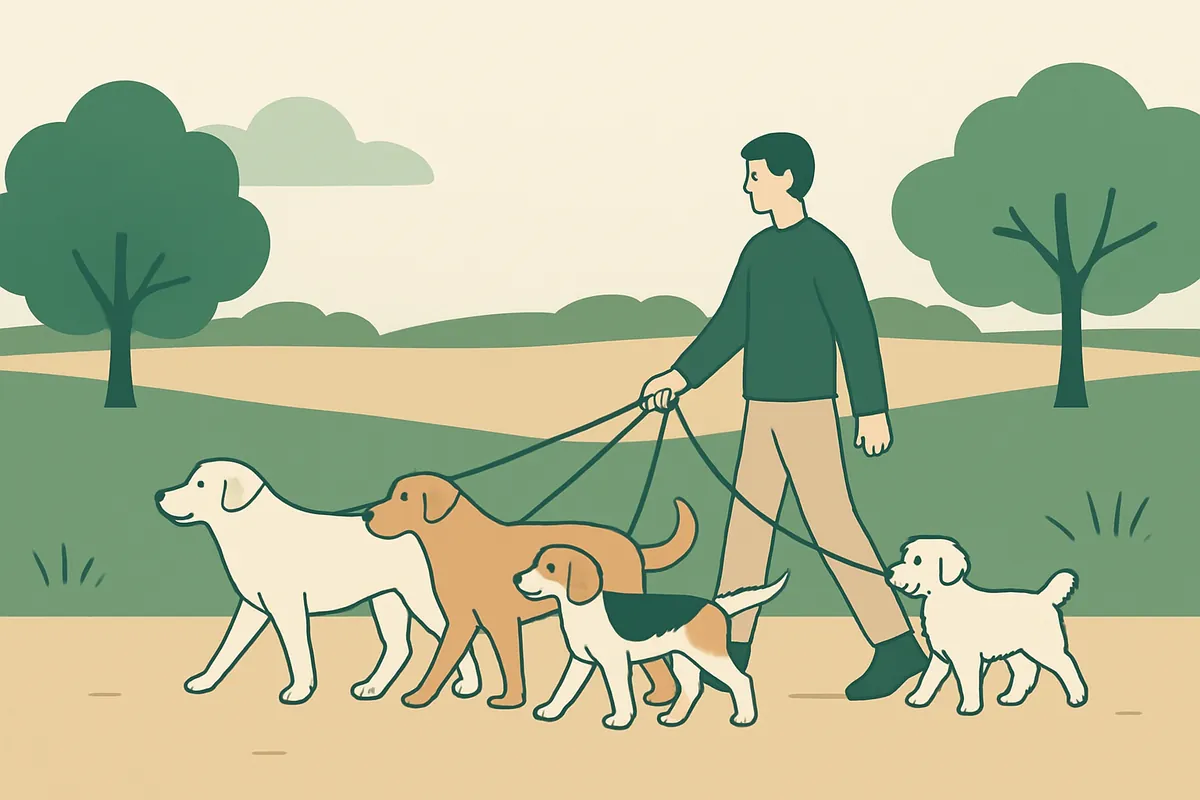
Walking Several Dogs Safely: Numbers, Leads and Compatibility
How many dogs can a dog walker walk? How to set safe numbers, choose compatible dogs, pick the right leads, read a group and respond if a fight starts.
22 September 2026
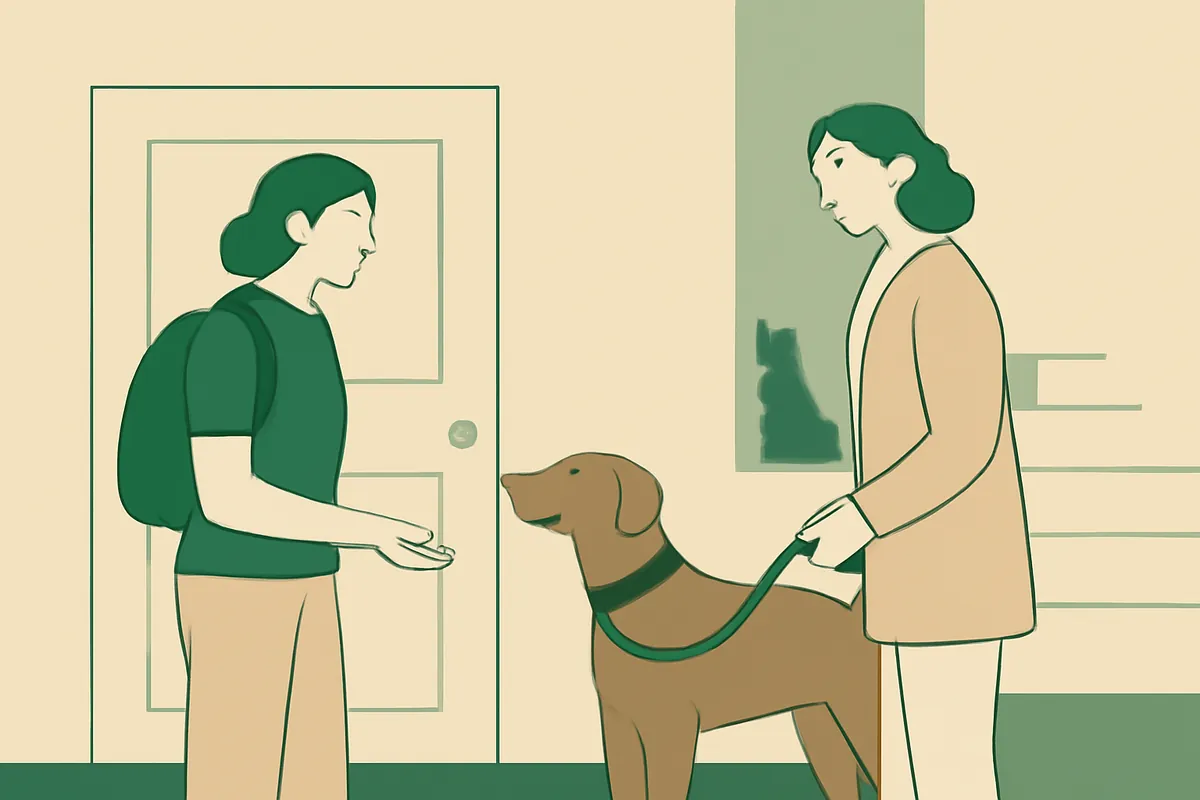
The Meet-and-Greet Checklist for New Pet Sitting Clients
What to collect at a pet sitting meet-and-greet: a complete pet sitter client form, vet authorization, routines, medication, home access and red flags.
19 September 2026