Pet Emergencies Every Pet Professional Should Recognize
The warning signs that mean a dog or cat needs an emergency vet, what to do in the first minutes, and how pet professionals should respond safely.
PetCred Editorial Team · Updated 24 September 2026 · 5 min read
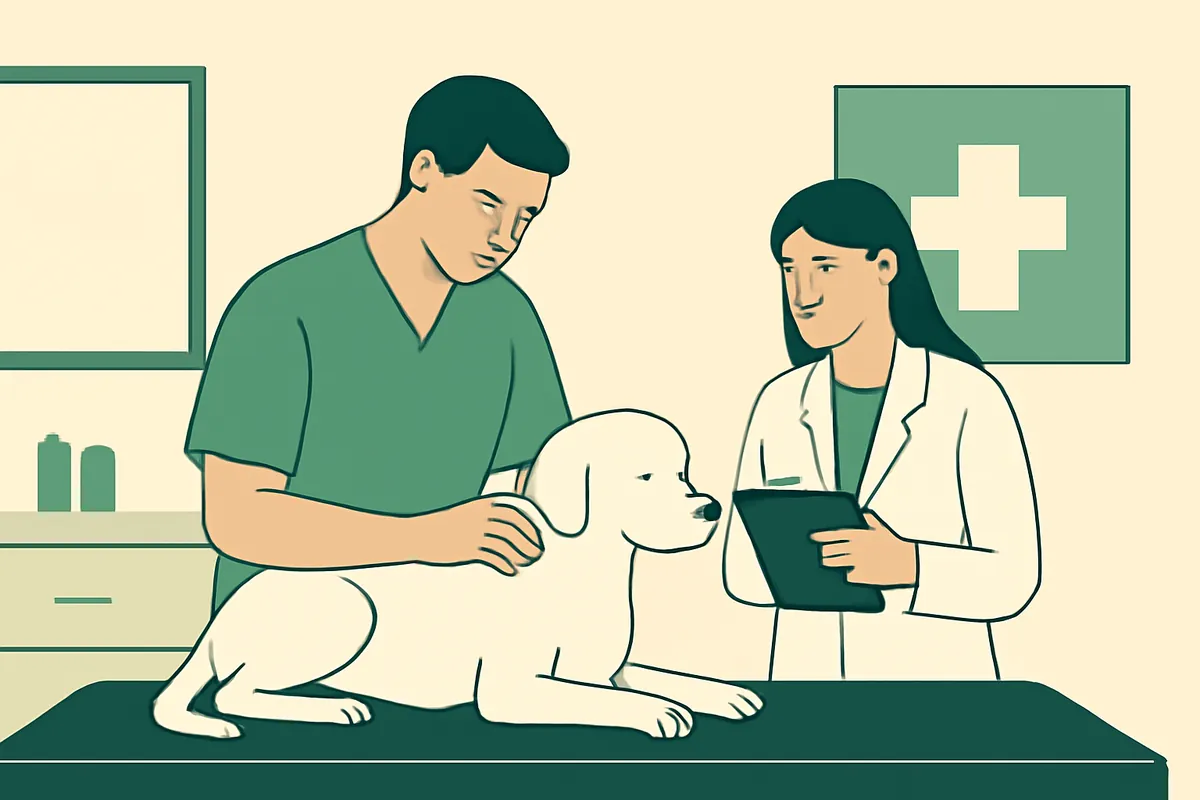
As a pet professional, you are often the first person to notice that something is wrong. Owners may not see their dog overheat on a walk, swallow a toy or start a seizure while they are at work. Recognizing an emergency early, staying calm and getting the animal to a vet quickly can change the outcome.
This article covers the emergencies pet professionals are most likely to see. It is not a complete list, and it is not a substitute for first aid training or veterinary advice. When in doubt, call a vet.
Difficulty breathing
Breathing problems are always urgent. Signs include:
- Loud, labored or rapid breathing at rest.
- Blue, gray or very pale gums and tongue.
- Stretching the neck out to breathe.
- Coughing that does not stop, or a cough that suddenly sounds different.
- Noisy breathing in a flat-faced breed, which can worsen quickly.
If you see these signs, keep the animal calm and cool, do not put pressure on the chest or throat, and get to a vet immediately. Excitement makes breathing harder, so move quietly and avoid restraining the animal more than necessary.
Collapse, seizures and altered consciousness
A dog or cat that suddenly cannot stand, seems disoriented, or loses consciousness needs a vet right away. Seizures also need urgent attention, especially if:
- The seizure lasts more than a couple of minutes.
- There are several seizures in a short time.
- The animal does not return to normal between seizures.
- It is the first seizure you have seen in that animal.
During a seizure, keep the area clear, do not put anything in the animal's mouth, and time the event. Once it stops, keep the animal warm and quiet and transport to a vet. A seizure that has ended can still mean a serious underlying problem.
Severe bleeding and wounds
Some bleeding looks worse than it is, but some needs immediate help. Go to a vet if:
- Blood is spurting or pouring and does not slow with firm pressure.
- There is a deep wound, especially on the chest, abdomen, neck or near a joint.
- A paw is bleeding heavily and the animal is leaving blood wherever it walks.
- You can see bone, tendon or a large amount of tissue.
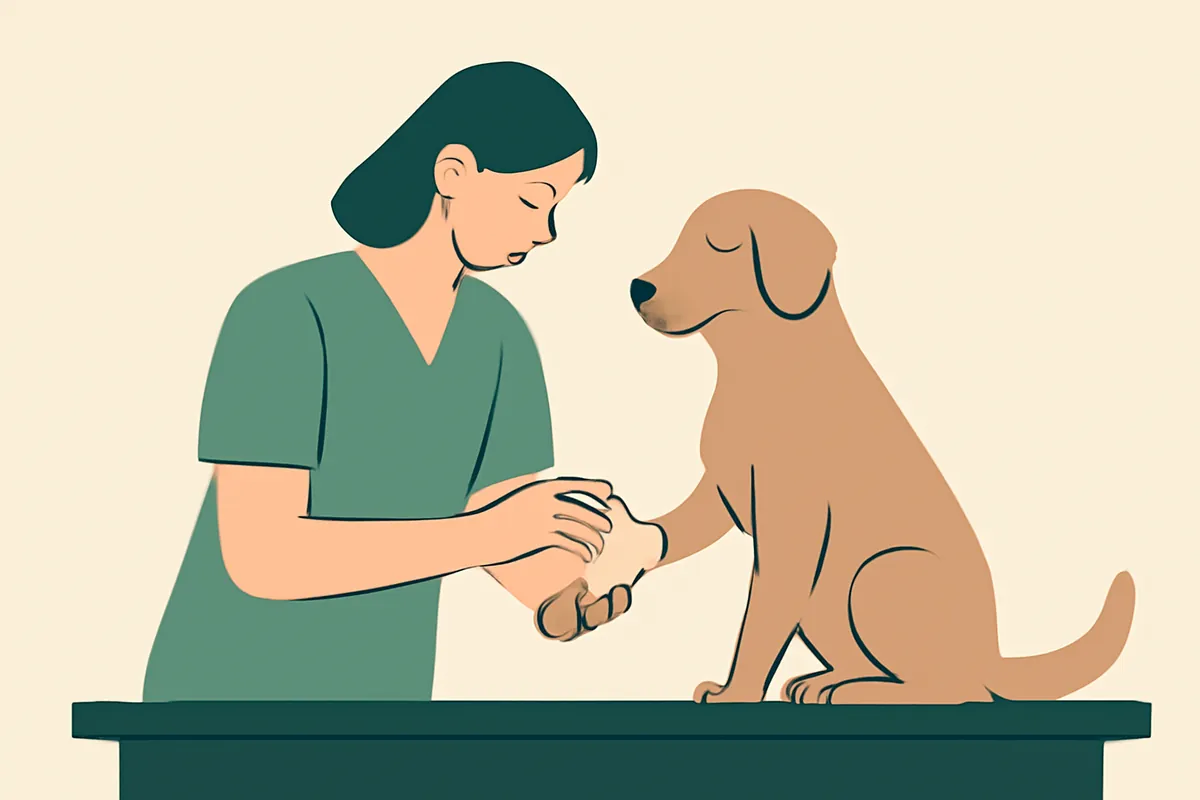
While someone calls the vet, apply firm, direct pressure with a clean pad. If blood soaks through, add another pad on top rather than lifting the first. Keep the animal warm and still. Do not remove an embedded object; the vet will do that.
Poisoning
Pets eat things they should not. Common hazards include chocolate, grapes, raisins, onions, xylitol, certain plants, medications, antifreeze and rodent bait. Signs vary but may include vomiting, diarrhea, drooling, tremors, weakness, collapse or strange behavior.
If you suspect poisoning:
- Do not make the animal vomit unless a vet or poison line tells you to.
- Keep the packaging or a sample of the plant or substance.
- Note the time and the amount you think was eaten.
- Call a vet or animal poison line immediately.
Different toxins need different treatments. Inducing vomiting can make some poisonings worse.
Heatstroke and hypothermia
Heatstroke can happen on a warm walk, in a parked car or in a grooming salon that is too hot. Signs include heavy panting that does not settle, bright red gums, thick drool, weakness, vomiting and collapse. Flat-faced, overweight, elderly and very active dogs are at highest risk.
If you suspect heatstroke, stop activity, move the animal to shade, offer small amounts of cool water, and cool with tepid water on the belly, groin, paws and ears. Do not use ice water. Call a vet and go.
Hypothermia is the opposite: the animal is too cold. Signs include shivering, lethargy, weakness and pale gums. Warm the animal gradually with blankets and your own body heat, and get to a vet. Do not use hot water bottles directly on the skin.
Severe abdominal pain and bloat
A swollen, hard belly, especially with restlessness, unproductive retching or drooling, can indicate bloat in dogs. This is a life-threatening emergency. The stomach fills with gas and can twist, cutting off blood flow. Large, deep-chested breeds are at higher risk, but any dog can be affected.
If you suspect bloat, do not wait. Get to a vet immediately. Do not give food or water, and do not try to relieve the gas yourself.
Other causes of severe abdominal pain, such as a blockage or pancreatitis, also need prompt veterinary care. Signs include a hunched posture, refusal to move, repeated vomiting and obvious pain when touched.
Eye injuries
Eye problems can worsen fast. Signs of an emergency include:
- A bulging eye.
- A cloudy or blue eye.
- Bleeding in or around the eye.
- The animal rubbing or pawing at the eye constantly.
- A visible wound on the eyeball.
Keep the animal from rubbing the eye, do not put anything in it, and transport to a vet. Eye injuries are painful and can lead to loss of vision.
Sudden behavior changes
A sudden change in behavior can be a sign of pain, fear or illness. Pay attention if:
- A normally friendly animal becomes withdrawn, irritable or aggressive.
- A usually energetic animal will not move or seems disoriented.
- An animal starts pacing, pressing its head against a wall, or circling.
- A cat hides and refuses to come out, or a dog keeps seeking comfort in an unusual way.
Behavior changes alone do not always mean an emergency, but a sudden, severe change in a normally predictable animal is a reason to call a vet and describe what you see.
What to do while you arrange transport
Most emergencies end the same way: at a vet clinic. While you are getting there:
- Keep the animal calm, warm and still.
- Do not give food, water or medication unless a vet tells you to.
- Call the clinic so they can prepare.
- Handle the animal gently, especially if it is in pain. Use a muzzle or towel if there is any risk of biting.
- Bring any relevant information: the substance eaten, the time symptoms started, any medications the animal takes.
When to call the vet
If you are not sure whether something is an emergency, call and ask. A good rule is that it is better to call too early than too late. Vets would rather reassure you that the animal can wait than see a pet that has deteriorated at home.
For more on learning the skills behind emergency recognition, see our guides to how to get pet first aid and CPR certified and pet CPR: what professionals need to know. You can also try the free Pet First Aid & CPR sample questions to test your knowledge, and see what the Pet First Aid & CPR certification covers.
Frequently asked questions
How do I know if a pet needs an emergency vet?
Difficulty breathing, collapse, seizures, severe bleeding, repeated vomiting, a swollen hard belly, heatstroke signs, poisoning, major trauma and any sudden severe change in behavior all need urgent veterinary care. When in doubt, call a vet.
Should I drive the animal to a vet or call first?
Call first if you can. The clinic can prepare for your arrival and tell you whether to do anything on the way. If the animal is unstable, they may direct you to a closer emergency clinic.
Written by the PetCred Editorial Team and checked against the published curriculum for this program. Laws and requirements change and differ by place: check local rules before relying on anything legal or regulatory here.
More pet first aid guides
How to Get Pet First Aid and CPR Certified: A Practical Guide
How to choose a pet first aid and CPR certification, what the training covers, and how to keep your emergency skills sharp as a working professional.
24 September 2026
Pet CPR: What Pet Professionals Need to Know
What pet CPR is, when it is appropriate, how to learn the physical skill safely, and what professionals should do while waiting for a veterinarian.
24 September 2026