Heatstroke in Dogs: Prevention and First Response
Heatstroke in dogs first aid for pet professionals: which dogs are most at risk, how to prevent it, the early signs, and what to do before you reach the vet.
PetCred Editorial Team · Updated 14 August 2026 · 8 min read
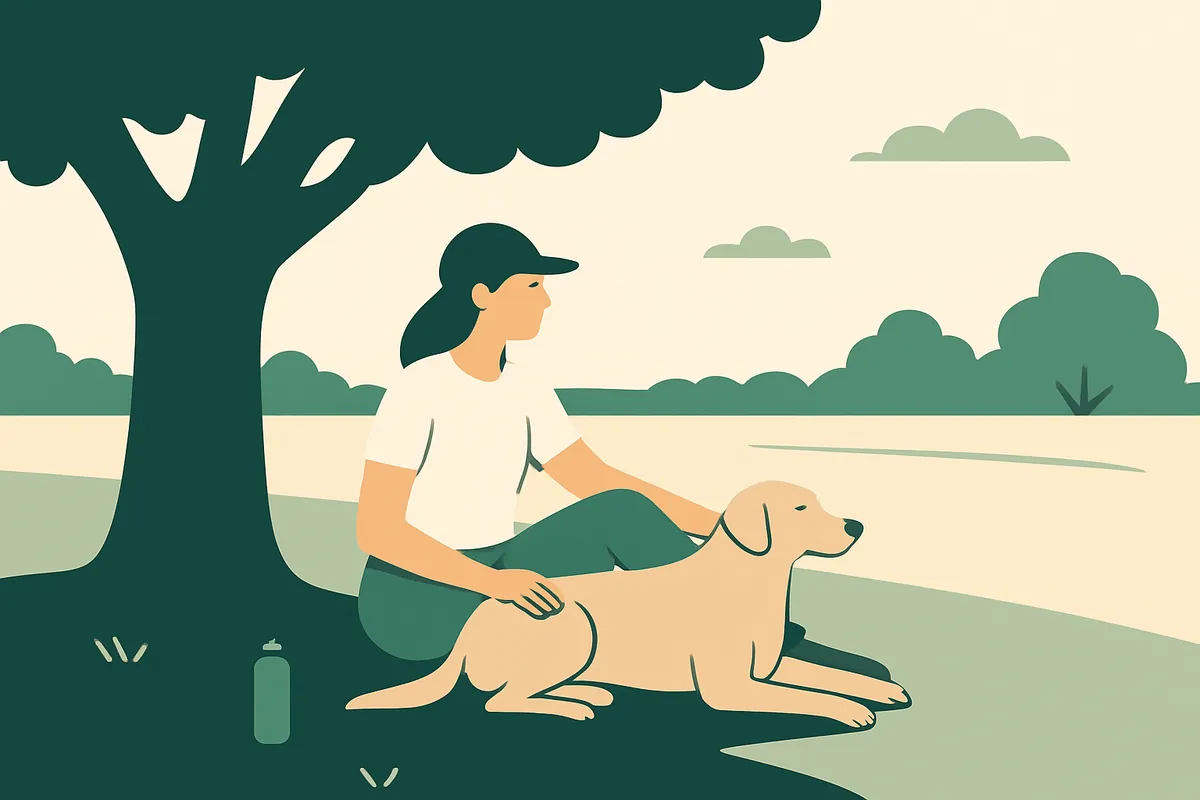
Heatstroke in dogs can become life-threatening quickly, and it is one of the emergencies pet professionals are most likely to meet. Most cases are preventable. When one does happen, heatstroke in dogs first aid comes down to a short sequence: stop, shade, cool with tepid or cool water, call a vet and go.
This article is written for dog walkers, pet sitters, groomers, trainers and daycare staff. It covers why dogs overheat, which dogs are most at risk, how to prevent it in your daily work, how to recognize it early, and what to do in the first minutes. It describes first aid only. It does not replace a practical first aid course or veterinary treatment, and every case of suspected heatstroke needs a vet.
Why dogs overheat
People cool down mainly by sweating across the skin. Dogs cannot do that. They sweat only a little, through their paw pads, and rely mostly on panting: moving air over the moist surfaces of the mouth, tongue and airways so that evaporation carries heat away.
Panting works less well when the air is humid, because moisture evaporates more slowly. It also works less well in dogs whose airways are narrow or short. When a dog produces or absorbs heat faster than it can lose it, its body temperature climbs. Past a certain point, the heat itself starts to damage organs, and the damage can continue even after the dog has been cooled. That is why every case needs a vet, including dogs that seem to recover.
Which dogs are most at risk
Any dog can get heatstroke, but some are at much higher risk. Know which dogs in your care fall into these groups:
- Flat-faced (brachycephalic) breeds, such as Bulldogs, French Bulldogs and Pugs, whose short airways make panting less effective.
- Overweight dogs, which generate more heat and lose it less easily.
- Older dogs and young puppies, which regulate temperature less well.
- Dogs with heart or breathing conditions, or any condition the owner has told you about.
- Thick-coated breeds, especially those bred for cold climates.
- Very driven, active dogs, which will keep running after a ball long after they should stop.
- Dogs not used to the heat, for example on the first warm days of the year or when visiting from a cooler place.
Ask about health conditions at the first meeting with every new client, and write the answers down.
How to prevent heatstroke in your daily work
Prevention is the part of heatstroke you control completely. Most of it is planning.
Change the timetable. In hot weather, walk and train in the early morning and late evening. Shorten walks and slow the pace. Tell clients in advance that you adjust walks for heat, so a shorter walk on a hot day is understood as care, not cutting corners.
Watch the humidity as well as the temperature. A warm, humid day can be harder on a dog than a hotter, dry one, because panting loses its effect.
Never leave a dog in a vehicle. Not for a quick stop, not with the windows open, not in the shade. A parked car heats up fast.
Choose shaded routes. Stay on grass and shaded paths; hot asphalt and sand also add heat and can burn paw pads.
Carry water and offer it often. Bring enough for every dog on the walk, plus extra.
Build in shade and rest. In classes and group walks, plan shaded rest breaks before dogs need them. Stop games of fetch and chase early.
In the salon, manage heat from dryers and enclosed spaces. Never leave a dog unattended in a drying cage or crate with warm air, keep the room ventilated, and watch flat-faced and elderly dogs closely during drying. Our guide to grooming safety with heat and dryers covers this in more detail.
Know when to cancel. Some days are too hot for any exercise at all, especially for high-risk dogs. Having a written heat policy, shared with clients when they sign up, makes that call easier.
How to recognize heatstroke early
Early signs are easy to mistake for a dog that is simply hot and tired. The difference is that a dog that is only warm settles quickly with shade, rest and water. A dog developing heatstroke does not.
Early warning signs:
- Heavy, frantic panting that does not ease with rest.
- Thick, sticky drool.
- Restlessness, or the dog repeatedly seeking shade or lying down.
- Bright red or unusually dark gums and tongue.
- Slowing down, lagging behind or refusing to continue.
Signs that it is getting worse:
- Weakness, wobbling or stumbling.
- Confusion or seeming dazed.
- Vomiting or diarrhea.
- Gums that turn pale or bluish.
- Collapse, seizures or loss of consciousness.
Do not wait for the later signs. If a dog shows early signs and does not settle quickly in the shade, treat it as heatstroke and start first aid.
Heatstroke in dogs first aid: what to do
Follow this order. If someone else is with you, have them call the vet while you start cooling.
- Stop all activity at once. Do not let the dog keep walking or playing.
- Keep yourself safe. A confused or distressed dog may bite. Handle it calmly and gently. If the dog is panting heavily, do not put on a muzzle, because it needs its mouth open to breathe and cool down.
- Move the dog into shade or a cool, well-ventilated space. Carry a small dog if you can do so safely.
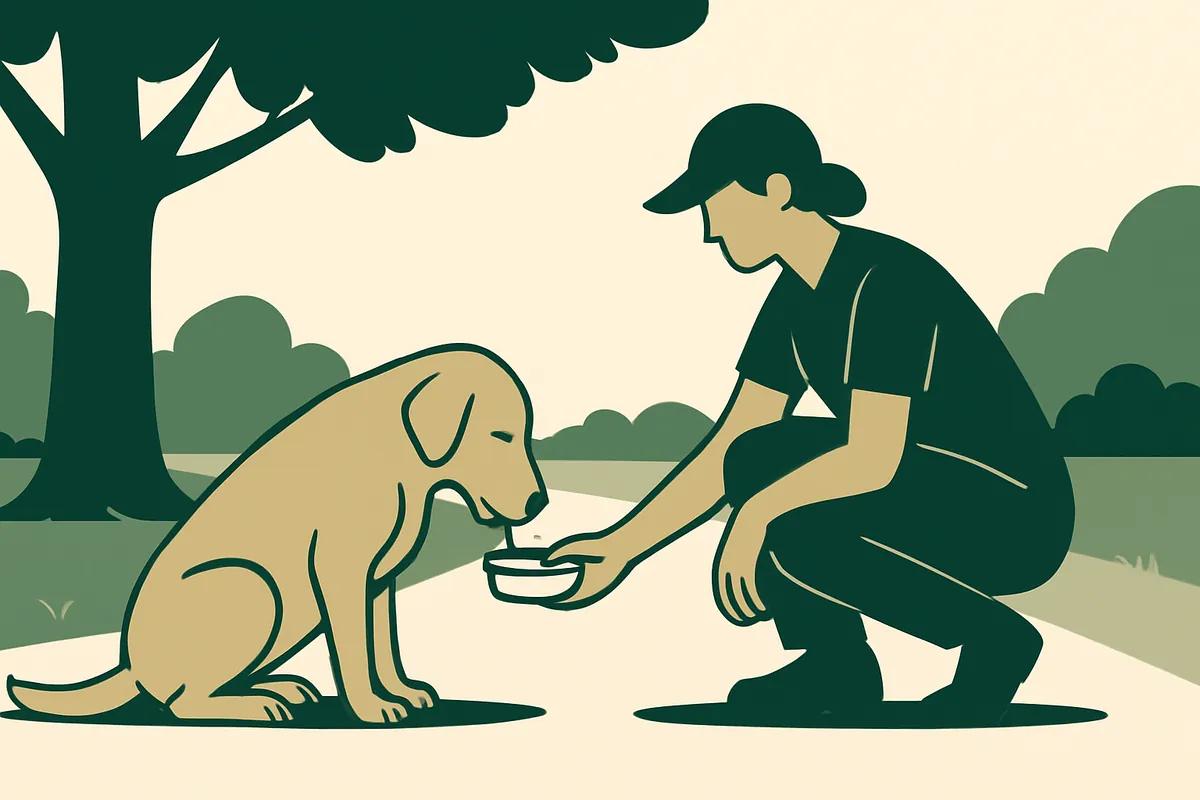
- Start cooling straight away with cool water. Pour it over the whole body, especially the belly, the groin, the paws and the ears, and keep it flowing. Cool tap water from a hose, a tap or your water bottle is ideal. You do not need ice, and the time spent looking for it is better spent cooling.
- Keep air moving over the dog if you can, with a fan, a car's air conditioning or simply open air.
- Offer small amounts of water to drink if the dog is alert and wants it. Do not force water into its mouth.
- Call a vet and go. Tell the clinic you are coming with a suspected heatstroke, so they can prepare. Keep cooling on the way, with the windows open or the air conditioning on.
Many vets now put it as cool first, transport second: a few minutes of cooling where you are, while someone calls the clinic, does more good than rushing a hot dog into a warm car. Then go, and keep cooling on the way. First aid buys time; the vet provides treatment. A dog that seems to recover still needs to be examined, because heat can cause internal damage that is not visible at first.
A worked scenario: the afternoon walk
You are walking a middle-aged, slightly overweight Labrador on a warm, humid afternoon. You have kept the walk short, but twenty minutes in, the dog starts lagging behind, panting hard with thick drool. You stop under a tree. After a few minutes, the panting is no quieter, and the dog's gums look bright red.
This is the moment to act, not to wait. You call the dog's vet on speakerphone and say you have a dog with signs of heatstroke. You pour the cool water from your bottle over the belly, groin and paws, and let the dog sip a little water. Your van is parked a few minutes away. Rather than make the dog walk back, you call a colleague to bring the van to you while you keep cooling.
In the van, you keep the windows open and keep wetting the paws and belly. At the clinic, you hand over what you know: the time the signs started, what you saw, what you did, and the dog's known health conditions. Then you call the owner.
Afterward, write down the weather, the times, what you saw and what you did. That record protects you and helps you plan for the next hot day.
Common mistakes
- Waiting to see if the dog improves. Early heatstroke looks like a tired dog. If rest in the shade does not settle it quickly, act.
- Setting off without cooling. A hot dog in a warm car keeps heating up. Start cooling where you are, then go, and keep cooling on the way.
- Stopping cooling too soon. Keep the water and air moving until the vet takes over; the clinic will tell you when to stop.
- Skipping the vet because the dog seems fine. Heat can damage organs in ways that appear hours later.
- Treating it as a hot-weather problem only. Dogs can overheat on mild days with hard exercise, in a warm car or in a grooming room with the dryers running.
Where your role stops
As a professional, your job is to prevent heatstroke, recognize it early and give first aid on the way to veterinary care. You do not diagnose it, decide how serious it is or decide that a dog is fine without being examined. Taking the dog's temperature, if you have been trained to do it, can give the vet useful information, but it should never delay cooling or transport.
Be clear with clients about your heat policy and your emergency plan, including their written consent for you to take their dog to a vet.
Next steps
Heatstroke is one of the core topics in any pet first aid course. For the full route into first aid training, read how to get pet first aid and CPR certified. For the other emergencies you should be able to recognize quickly, see pet emergencies every professional should recognize. To make sure you have water, a bowl and a towel with you when you need them, use our pet first aid kit checklist.
You can test your decision-making with the free Pet First Aid & CPR sample questions, and see what the Pet First Aid & CPR certification covers, including heatstroke, hypothermia and other environmental emergencies.
Frequently asked questions
Should I use ice water to cool a dog with heatstroke?
No. Standard first aid advice is to use tepid or cool water, poured especially over the belly, groin, paws and ears, and to keep air moving over the dog while you get to a vet.
Does a dog that recovers from heatstroke still need a vet?
Yes. Overheating can damage internal organs in ways that are not visible at first. Any dog with suspected heatstroke should be examined by a veterinarian, even if it seems back to normal.
Written by the PetCred Editorial Team and checked against the published curriculum for this program. Laws and requirements change and differ by place: check local rules before relying on anything legal or regulatory here.
Free course
Pet First Aid Fundamentals: A Free 5-Lesson Course
Five short lessons, a quick check after each, no sign-up. Start now →
More pet first aid guides
How to Get Pet First Aid and CPR Certified: A Practical Guide
How to choose a pet first aid and CPR certification, what the training covers, and how to keep your emergency skills sharp as a working professional.
12 July 2026
Pet First Aid Certifications Compared
A pet first aid course online, blended or in person? What each type of certificate proves, what you cannot learn online, and how to choose for your work.
6 September 2026
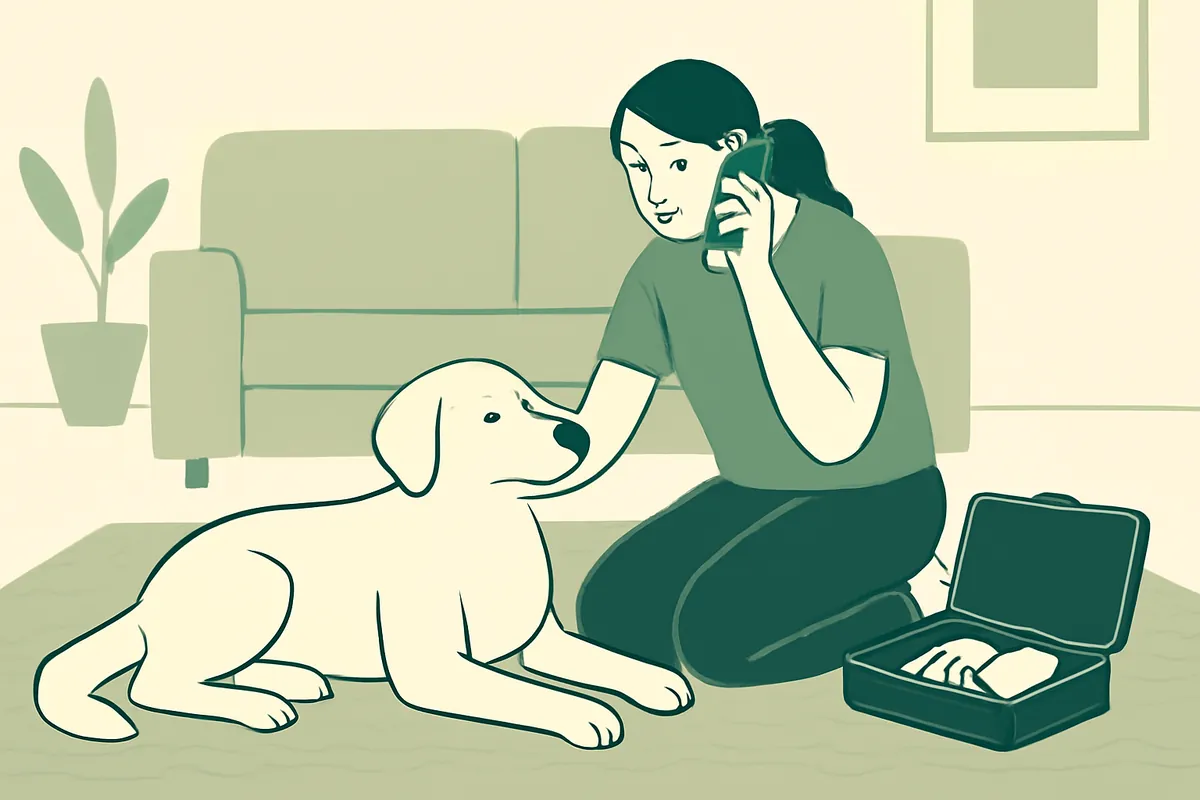
Choking, Bleeding and Poisoning: First Aid for Dogs and Cats
Dog choking first aid, how to control bleeding, and what to do when a dog or cat swallows something toxic: safe first steps for pet professionals.
25 August 2026
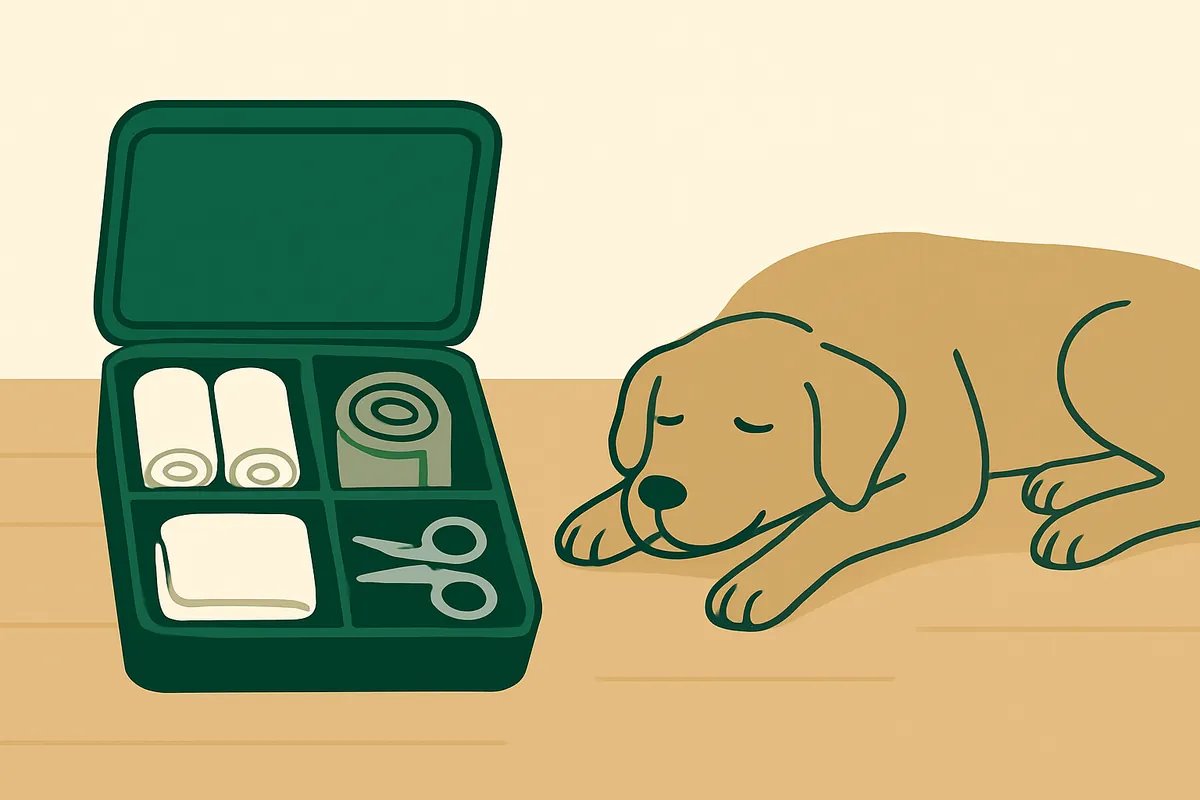
What to Put in a Pet First Aid Kit
A pet first aid kit list for dog walkers, sitters, groomers and trainers: the core items, extras for each role, what to leave out and how to keep it ready.
30 July 2026