What to Put in a Pet First Aid Kit
A pet first aid kit list for dog walkers, sitters, groomers and trainers: the core items, extras for each role, what to leave out and how to keep it ready.
PetCred Editorial Team · Updated 30 July 2026 · 7 min read
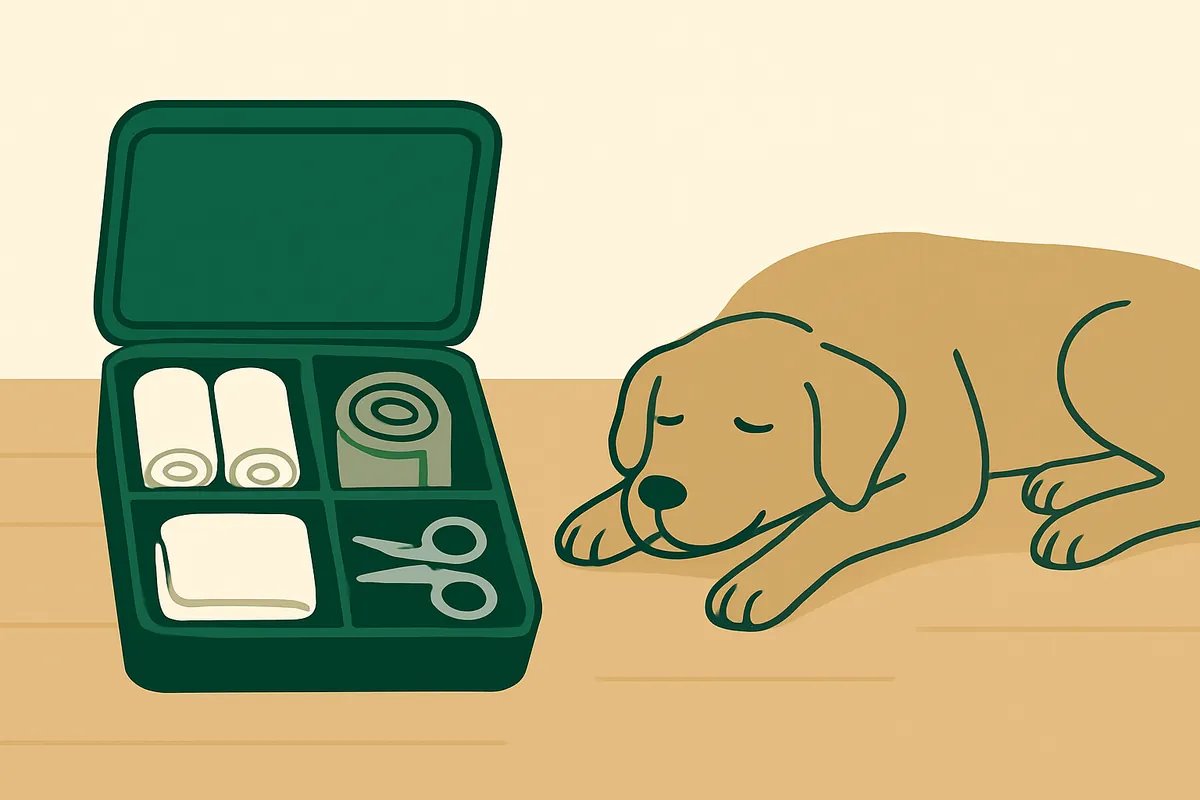
A pet first aid kit is only useful if it holds the right things, sits where you can reach it in seconds, and is packed for the work you actually do. This pet first aid kit list is written for professionals (dog walkers, pet sitters, groomers, trainers and shelter staff) who need to respond in the first minutes of an emergency, before a veterinarian can take over.
The list below covers a core kit, then the extras that suit each kind of work, then how to keep it ready. A kit supports first aid; it does not replace a practical first aid course, and it never replaces a vet.
Owners sometimes keep a kit at home, but you cannot count on it. When you walk dogs, sit in a client's house or run a grooming table, you are often the only adult present when something goes wrong. In those minutes, looking for gauze in a stranger's cupboard wastes time you do not have.
The core pet first aid kit list
These items cover the situations you are most likely to meet. Keep them together in one clearly labeled bag or box with compartments, so you can find each item without emptying everything onto the ground.
Safety and restraint
- A soft muzzle in the sizes you work with, or a length of soft bandage you have practiced tying as a temporary muzzle. Even a gentle animal may bite when it is frightened or in pain.
- A spare slip lead, so you can control a dog whose collar or harness has failed.
- A large towel, useful for wrapping a cat or small dog safely and for keeping an animal warm.
- Disposable gloves, to protect you and the wound.
Wound care
- Sterile gauze pads in several sizes, plus gauze rolls.
- Non-stick dressings, which will not tear a forming clot when they are removed.
- Self-adhesive bandage wrap (the kind that sticks to itself but not to fur).
- Medical adhesive tape.
- Sterile saline in single-use pods or a small bottle, for flushing dirt from minor wounds or an eye once any bleeding has stopped.
- A clean sock or a small bootie to cover a bandaged paw on the way to the vet.
Tools
- Blunt-tipped scissors, for cutting bandage and trimming fur away from a wound without cutting skin.
- Tweezers and a tick removal tool.
- A digital thermometer and water-based lubricant, if you have been taught how to use them.
- A small flashlight, for looking into a mouth or checking a wound in poor light.
- A notepad and pen, for recording times, symptoms and anything the animal may have eaten.
Transport and comfort
- A foil emergency blanket or a spare fleece, because an injured animal can lose heat quickly.
- A blanket strong enough to use as a stretcher, so you can carry a larger dog while keeping its back and neck supported on a flat surface.
- Drinking water and a collapsible bowl.
Information
- A card with your own vet's number, the nearest emergency clinic that is open at night and on weekends, and the animal poison line available in your country.
- For each client animal in your care: the owner's contact details, their vet's details, any known health conditions, and the owner's written consent for you to seek emergency veterinary care.
What to leave out of the kit
Some things turn up in kits because they seem sensible, yet they can cause harm. Leave these out unless a veterinarian has told you to carry something specific:
- Human medicines. Painkillers and other medicines made for people can be dangerous to dogs and cats, and cats are especially sensitive. Never give an animal medication unless a vet tells you to.
- Anything for making an animal vomit. Inducing vomiting is only safe when a vet or a poison line tells you to do it, and some poisons do more damage coming back up. Your job in a suspected poisoning is to call, not to treat.
- Tourniquets. For non-professionals, firm direct pressure with a pad is the right response to bleeding. A tourniquet applied wrongly can cause serious injury.
- Ice packs as your heatstroke plan. A small ice pack cools very little of a dog's body. Plenty of cool water poured over the dog, started straight away and continued on the way to the vet, is what helps. Carry water, not ice.
Extras by type of work
The core list works for everyone. What you add depends on where you are and which animals you handle.
| Role | Where the kit lives | Useful additions |
|---|---|---|
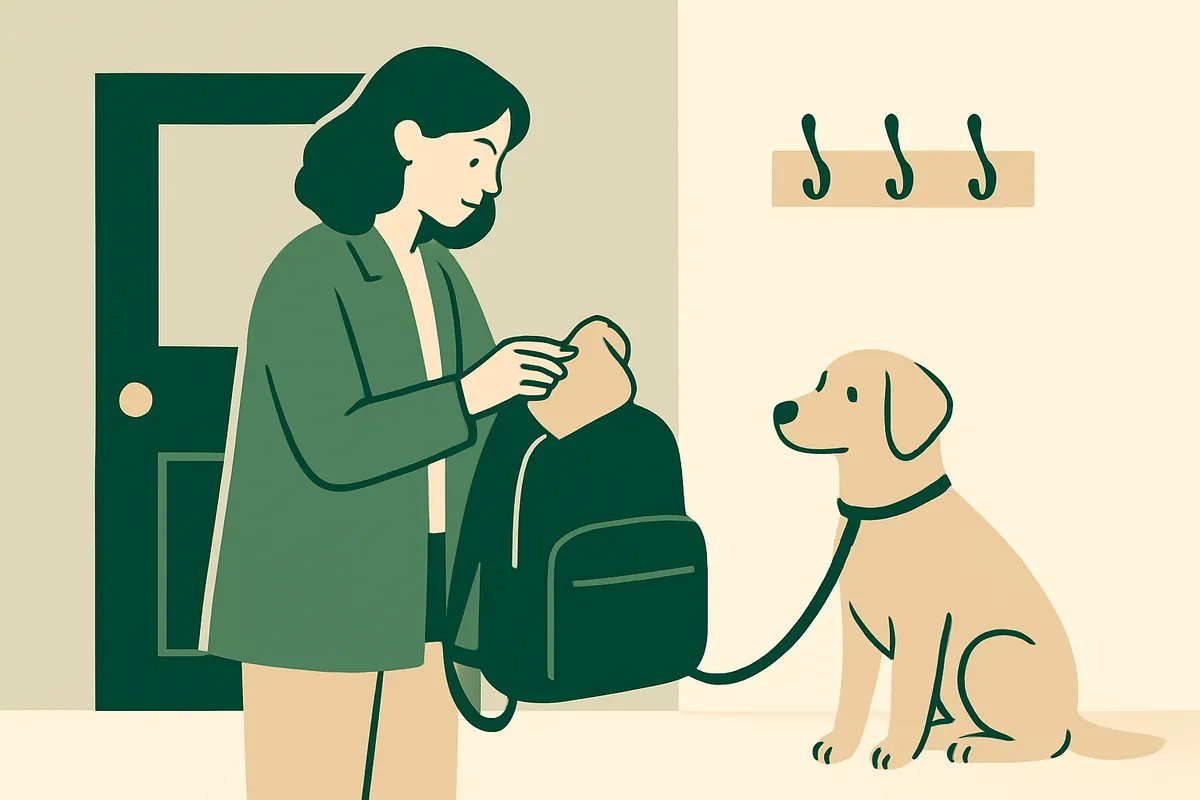
| Dog walker | A small pouch or backpack on every walk, a fuller kit in the vehicle | Extra water in warm weather, spare poop bags, a compact foil blanket, a whistle or phone power bank |
| Pet sitter | A kit you bring to each home, plus the client's own supplies | A folder with each client's animal details and consent form, a cat carrier or the client's carrier located on the first visit |
| Groomer | A fixed kit in the salon and a smaller one in a mobile van | Styptic powder for a nail cut too short, extra towels, saline for eye flushing after a product splash |
| Trainer | A kit at every class venue and in the vehicle | Extra water and shade for outdoor classes, a muzzle in each common size, spare leads |
| Shelter or daycare staff | A wall-mounted kit in each area, checked on a schedule | Larger stock of gauze and wrap, a stretcher, a written emergency plan beside the kit |
If you care for cats, rabbits or other small animals, check that your muzzle, towel and carrier suit them. A kit built only for large dogs will not serve a cat well.
Where to keep it
A kit in the wrong place is the same as no kit. A few rules help:
- Carry a small kit on your body when you walk dogs. A kit in the van does not help when a dog is hurt a mile down a trail.
- Keep a fuller kit in your vehicle, out of direct sun, since heat can damage some supplies.
- In a salon or daycare, mount the kit where every member of staff can reach it and make sure everyone knows where it is.
- On a new sitting job, find the client's carrier, their vet's address and the nearest emergency clinic on the first visit, not on the night you need them.
Checking and restocking your kit
Supplies expire, get used and quietly disappear. Build a simple routine:
- After any incident, restock what you used the same day.
- Every few months, open the kit and check each item against your list.
- Replace anything past its expiration date, any sterile packs that are damaged, and any bandage that has lost its stickiness.
- Test the flashlight and the thermometer batteries.
- Update the emergency contact card, especially the emergency clinic's hours, which can change.
It helps to tape a copy of your checklist inside the lid, with the date of the last check written on it.
A kit is only as good as your training
Owning scissors and gauze does not mean you know how to control bleeding. Knowing where to put a muzzle is different from getting one onto a frightened dog. The kit gives you the tools; training tells you how and when to use them, and what never to try.
The emergencies you are preparing for are covered in our guide to the pet emergencies every professional should recognize. For the most feared one, cardiac arrest, see pet CPR: what professionals need to know. Both are principles only: the physical skills, including bandaging, muzzling and CPR, need to be practiced on a hands-on course with an instructor.
Common mistakes with first aid kits
- Buying a ready-made kit and never opening it. Commercial kits can be a good start, but check what is inside, add what is missing for your work, and take out anything you would not use.
- No contact numbers. In an emergency, searching online for the nearest open clinic costs minutes. Write it down in advance.
- No muzzle. A frightened animal in pain is one of the most likely to bite, even a dog that knows you well. Protecting yourself is not unkind; it lets you keep helping.
- Forgetting yourself. Carry a few adhesive bandages and wipes for your own hands. A bitten or cut handler cannot help anyone.
What the kit does not do
A first aid kit helps you stabilize an animal and get it to a vet safely. It does not let you diagnose a problem, treat an illness or decide that an animal is fine without veterinary care. If you are not sure whether something is an emergency, call a vet and describe what you see. Where your role stops, theirs begins.
Next steps
Start by writing your own list from the core items above, then add the extras for your work. Pack it this week, and put the date of your first check inside the lid.
Then make sure your knowledge matches your kit. Our guide to how to get pet first aid and CPR certified explains how to choose a course and why a practical class matters. You can test your decision-making with the free Pet First Aid & CPR sample questions, and see the topics covered by the Pet First Aid & CPR certification, including first aid kits and emergency preparedness.
Frequently asked questions
Should I put human medicines in a pet first aid kit?
No. Many medicines made for people are dangerous to dogs and cats, and cats are especially sensitive. Only give an animal medication when a veterinarian tells you to.
How often should I check my pet first aid kit?
Restock anything you use on the same day, and open the whole kit every few months to replace expired or damaged items, test batteries and update your emergency numbers.
Written by the PetCred Editorial Team and checked against the published curriculum for this program. Laws and requirements change and differ by place: check local rules before relying on anything legal or regulatory here.
Free course
Pet First Aid Fundamentals: A Free 5-Lesson Course
Five short lessons, a quick check after each, no sign-up. Start now →
More pet first aid guides
How to Get Pet First Aid and CPR Certified: A Practical Guide
How to choose a pet first aid and CPR certification, what the training covers, and how to keep your emergency skills sharp as a working professional.
12 July 2026
Pet First Aid Certifications Compared
A pet first aid course online, blended or in person? What each type of certificate proves, what you cannot learn online, and how to choose for your work.
6 September 2026
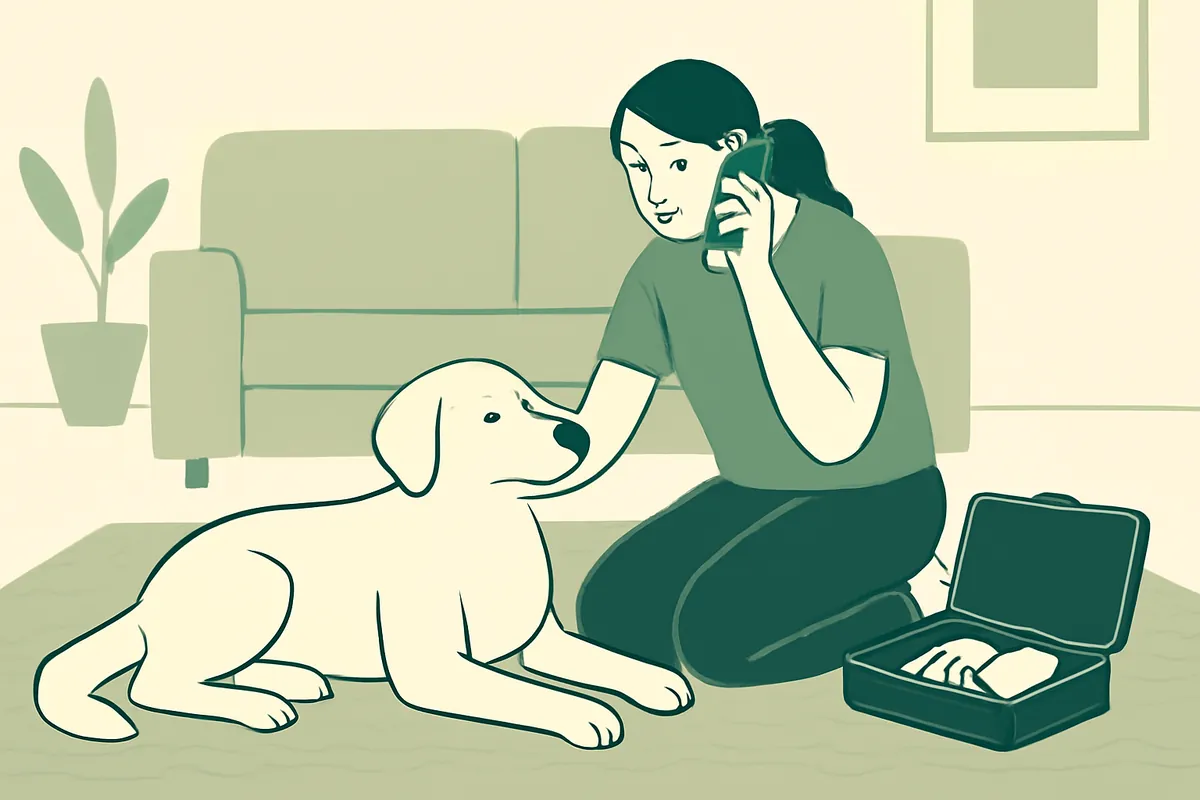
Choking, Bleeding and Poisoning: First Aid for Dogs and Cats
Dog choking first aid, how to control bleeding, and what to do when a dog or cat swallows something toxic: safe first steps for pet professionals.
25 August 2026
Heatstroke in Dogs: Prevention and First Response
Heatstroke in dogs first aid for pet professionals: which dogs are most at risk, how to prevent it, the early signs, and what to do before you reach the vet.
14 August 2026