Selecting a Puppy or Adult Dog for Assistance Work
What service dog temperament means in practice, how to assess puppies and adult dogs fairly, which health checks to ask for and when a dog is not suited.
PetCred Editorial Team · Updated 28 August 2026 · 7 min read
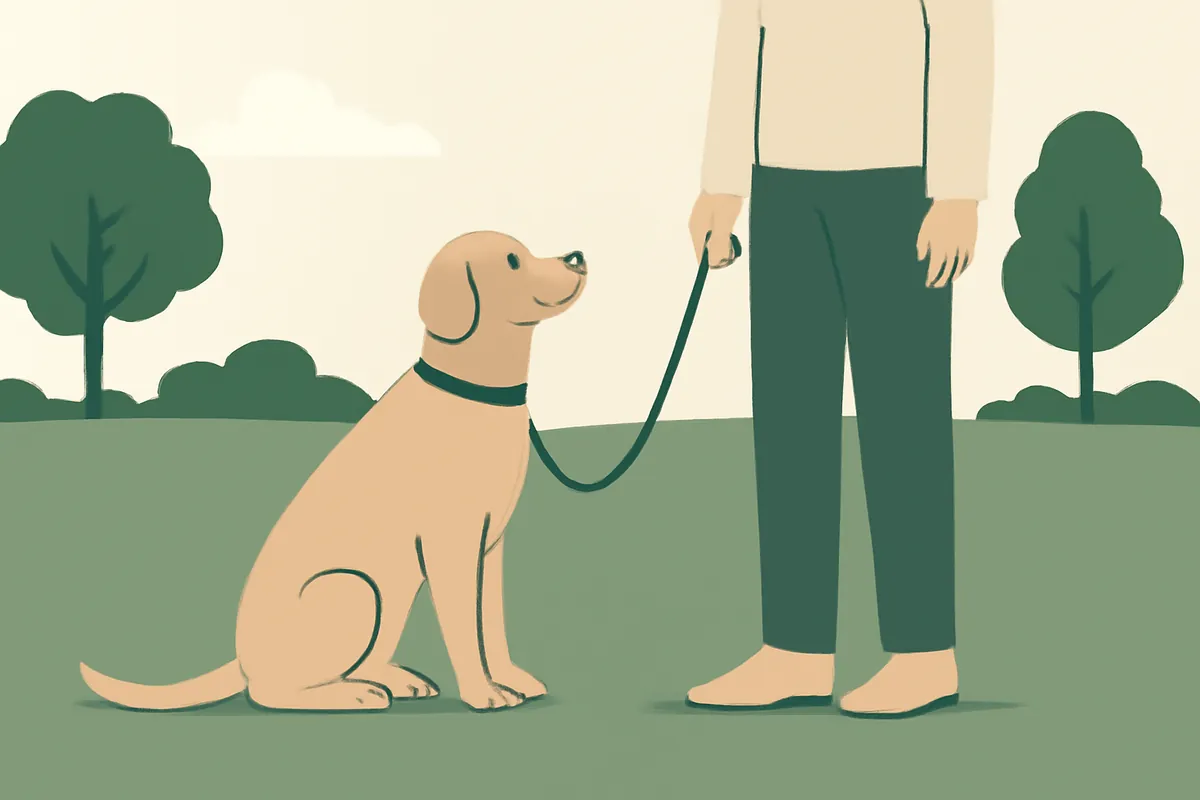
This article is written for trainers who select dogs for service and assistance work, whether for an organization or for clients who want to train their own. It explains what service dog temperament really means, how to assess puppies and adult dogs fairly, and how to handle the dogs that are not suited to the job.
Selection is where assistance dog training succeeds or fails. No amount of skilled training will turn a dog that finds busy places frightening into a reliable working partner, and a dog pushed into that life suffers for it. Choosing well is kinder to the dog, safer for the handler and a better use of months of training.
What assistance work asks of a dog
Start with the job. A service dog may spend its day in shops, offices, hospitals and public transport. It has to:
- Stay calm around crowds, noise, shopping carts, wheelchairs, children and other dogs.
- Settle quietly for long periods, then work when asked.
- Perform tasks reliably when its handler is tired, unwell or distressed.
- Recover quickly from surprises, such as a dropped tray or a sudden alarm.
- Live closely with one person and adapt to their routine, home and needs.
A good candidate is not the most obedient dog or the most eager one. It is the dog that copes well with the world and still enjoys working with people.
Service dog temperament: the traits that matter
Programs describe temperament in different words, but most look for the same core traits. The table shows what to watch for in an assessment and what should make you cautious.
| Trait | What you want to see | What should make you cautious |
|---|---|---|
| Recovery | Startles at a sudden noise, then investigates and settles within moments | Stays frozen, flees or cannot take food for a long time afterwards |
| Confidence in new places | Explores with a loose body, returns to the handler readily | Clings, trembles, pulls to leave or shuts down |
| Sociability | Friendly and relaxed with strangers without being pushy | Fearful of people, or so excited that it cannot settle |
| Response to other dogs | Notices them, stays neutral, can be redirected | Lunges, barks or fixates |
| Energy and settling | Can switch from activity to rest | Cannot settle even after exercise, or is lethargic |
| Body sensitivity | Accepts handling of paws, ears and body; tolerates equipment | Avoids touch or reacts to being handled |
| Interest in people and food | Works for food or play and engages with the handler | Shows little interest in rewards or in working together |
| Scavenging and chase | Mild interest that can be managed | Strong, persistent scavenging or chasing that overrides cues |
No dog is perfect in every row. What you are looking for is a profile where the strengths suit the tasks the dog will do and the weaknesses can be managed with training. A dog for a handler with limited mobility, for example, needs to be steady and gentle on the lead; a dog for a handler who relies on sound alerts needs to be alert without being anxious.
Health and structure
A dog that is not physically suited to the work will struggle however good its temperament. Health screening is the vet's job, not yours, but you need to know what to ask for and why:
- A full veterinary examination before a dog enters training, and regular checks during it.
- Screening for inherited conditions relevant to the breed, such as hip and elbow problems or eye conditions, through the schemes available in your country. Breeding programs also screen the parents before breeding.
- Size and build suited to the tasks. A dog that will brace or pull a wheelchair has different needs from one that alerts to sounds. Ask a vet before training any task that puts physical load on a dog.
- Skin, ear and digestive health, since chronic problems make daily work in public hard for the dog.
If a candidate shows pain, lameness or a sudden change in behavior, stop and refer it to a vet. Pain often shows up first as irritability, reluctance or sensitivity to noise, and it can look like a temperament problem.
Puppies: what you can and cannot tell
Many organizations breed their own dogs or work with trusted breeders, because a known background improves the odds. Labrador and golden retrievers and their crosses are common choices, and some programs use poodles or other breeds. Breed is a starting point, not a guarantee: individual dogs vary widely within any breed.
Puppy assessments are useful, but treat them as a snapshot. A puppy's behavior on one day in one place is shaped by its age, its health that morning and how the test was run. Temperament develops through adolescence, and a confident eight-week-old can become a cautious yearling, or the reverse.
What helps:
- Look at the parents and the breeder. The temperament, health and working history of the parents, and how the litter is raised, tell you a great deal.
- Observe over time, not once. Several short observations in different settings are more useful than a single test.
- Plan for reassessment. Programs assess dogs repeatedly as they mature, and decide later whether they continue.
- Invest in raising. Careful socialization and foundation training by a skilled puppy raiser give every candidate its best chance.
Adult dogs: assessing a rescue or a client's pet
Adult dogs have one big advantage: much of their temperament is already visible. Independent trainers often assess adult rescues, or a dog a client already owns and hopes to train as a service dog.
A sensible process:
- Take a history. Where the dog came from, how it behaves at home, any bites or incidents, health problems and how it copes with vet visits, visitors and other dogs.
- Ask for a vet check first, so you are not assessing a dog in pain.
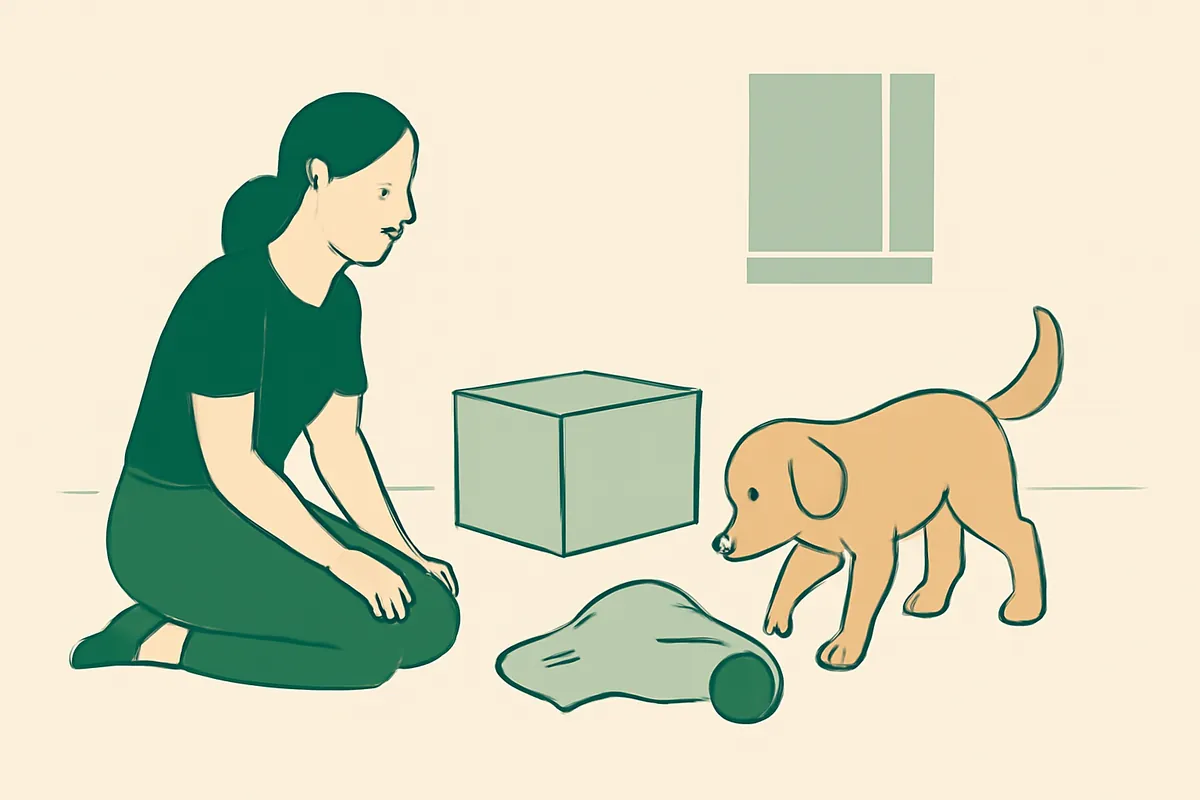
- Observe it in a quiet place before anything busier. Watch body language, interest in food and play, and how it responds to handling.
- Build up to real environments over several sessions: a quiet street, then a pet-friendly shop, then busier places. Watch recovery more than the first reaction.
- Watch it with the intended handler, since the team matters as much as the dog.
- Agree a trial period with clear criteria before anyone commits to months of training.
With a client's own dog, be honest early. Many pets are loved companions who would not enjoy public work. Telling a client so, kindly and with reasons, protects the dog and saves the client time, money and disappointment.
How to run a fair assessment
The way you assess a dog can distort what you see. A few principles keep it fair and safe:
- Keep the dog under threshold. You are observing how it copes, not trying to overwhelm it. Introduce challenges gradually and stop if the dog is struggling.
- Stay safe. Read the dog before handling it, work with the owner present for a dog you do not know, and do not put your face or hands close to a dog showing stress. If there is any history of biting, plan the assessment with that in mind.
- Repeat across settings. One session is not enough. Different days, places and handlers show you a more accurate picture.
- Film and take notes. Recording what you see, in plain descriptions rather than labels, lets you compare dogs and review your judgment later.
- Look at recovery. Almost every dog startles. How fast it returns to normal is the more useful measure.
When a candidate is not suitable
Many dogs that begin assistance training do not finish it, and that is a normal part of the work. Organizations call this a career change for good reason: the dog is not a failure, the job simply did not suit it.
Good practice when a dog is not suitable:
- Decide early when you can. The longer a dog spends in training it finds stressful, the harder it is for the dog and the more is invested.
- Place it thoughtfully. Some career-change dogs become excellent pets, therapy dogs, or work in roles such as detection, where different strengths count.
- Keep records. Notes on why a dog changed career help improve selection and breeding decisions.
- Support the owner. When the dog is a client's pet, help them see what the dog does well and what a good life for it looks like.
Next steps
Selection sits at the start of the career route described in how to become a service dog trainer. Once a dog is chosen, you will need to explain to its future handler exactly what kind of dog it will be, which is covered in service dog, therapy dog or emotional support animal. For the training methods that follow selection, see positive reinforcement dog training.
To test your own understanding of temperament assessment and candidate selection, try the free sample service dog trainer questions, or look at what the Therapy and Service Dog Trainer assessment covers.
Written by the PetCred Editorial Team and checked against the published curriculum for this program. Laws and requirements change and differ by place: check local rules before relying on anything legal or regulatory here.
Free course
Service and Therapy Dog Training Fundamentals: A Free 5-Lesson Course
Five short lessons, a quick check after each, no sign-up. Start now →
More service dog training guides
How to Become a Service Dog Trainer: A Practical Guide
What service dog trainers do, the skills and experience you need, how the law shapes the work and what a service dog trainer certification can and cannot show.
5 August 2026
Therapy Dog Programs: How Trainers Prepare Dogs and Handlers
How therapy dog programs work, the temperament and skills dogs need, how to coach handlers and what a good therapy dog trainer course or class should cover.
23 September 2026
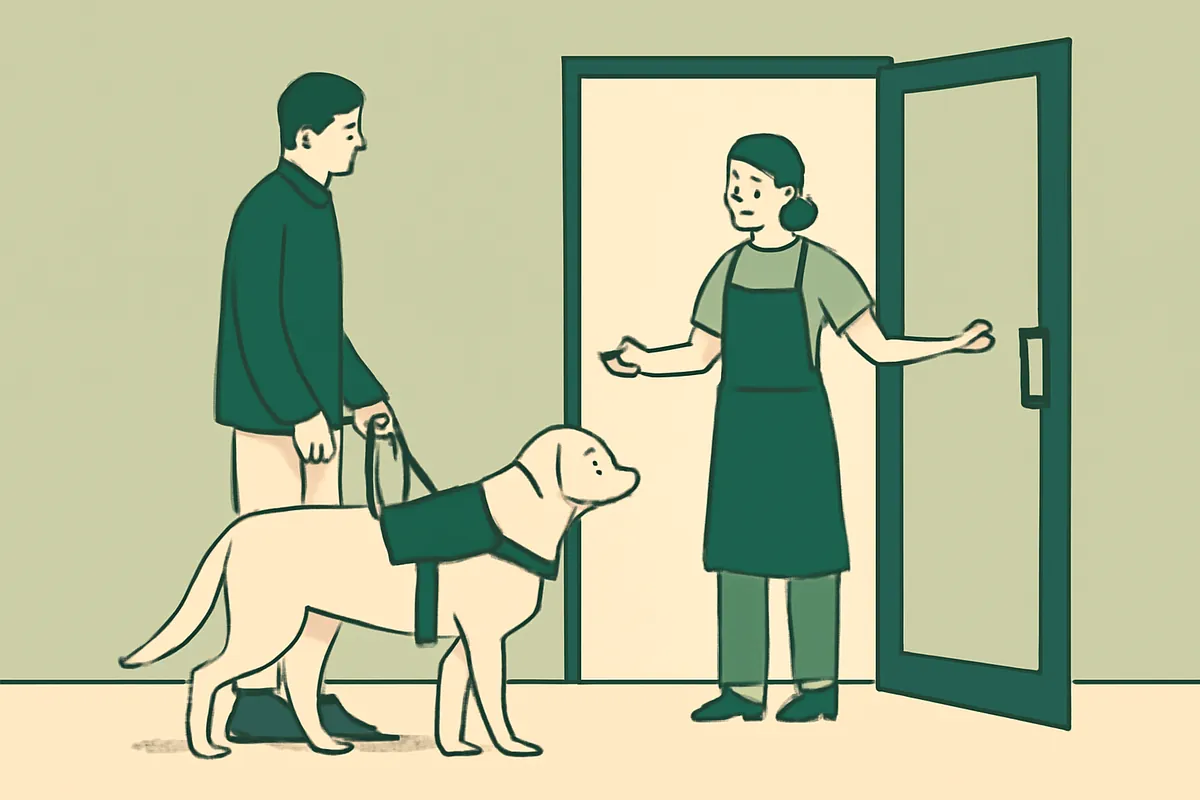
Service Dog Laws for Trainers: US, UK, Canada and Australia
Service dog laws in the US, UK, Canada and Australia explained for trainers: who qualifies, what businesses may ask, dogs in training and what never to claim.
20 September 2026
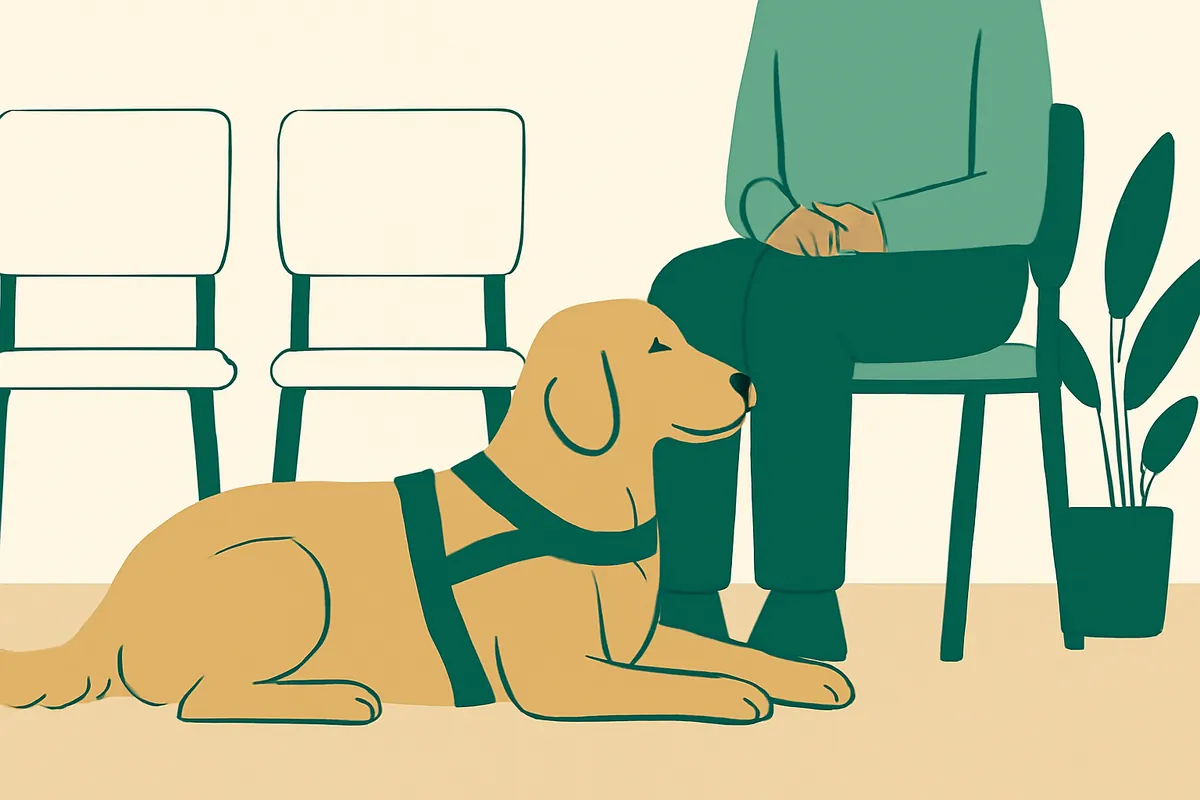
Public Access Training: Standards and Assessment
Service dog public access training for trainers: the behaviors standards expect, how to build and proof them step by step, and how to judge team readiness.
9 September 2026