Safe Enclosures for Reptiles and Small Mammals
How to design safe enclosures for reptiles and small mammals: size, materials, security, heat and electrical safety, bedding, placement and predator-proofing.
PetCred Editorial Team · Updated 17 September 2026 · 7 min read
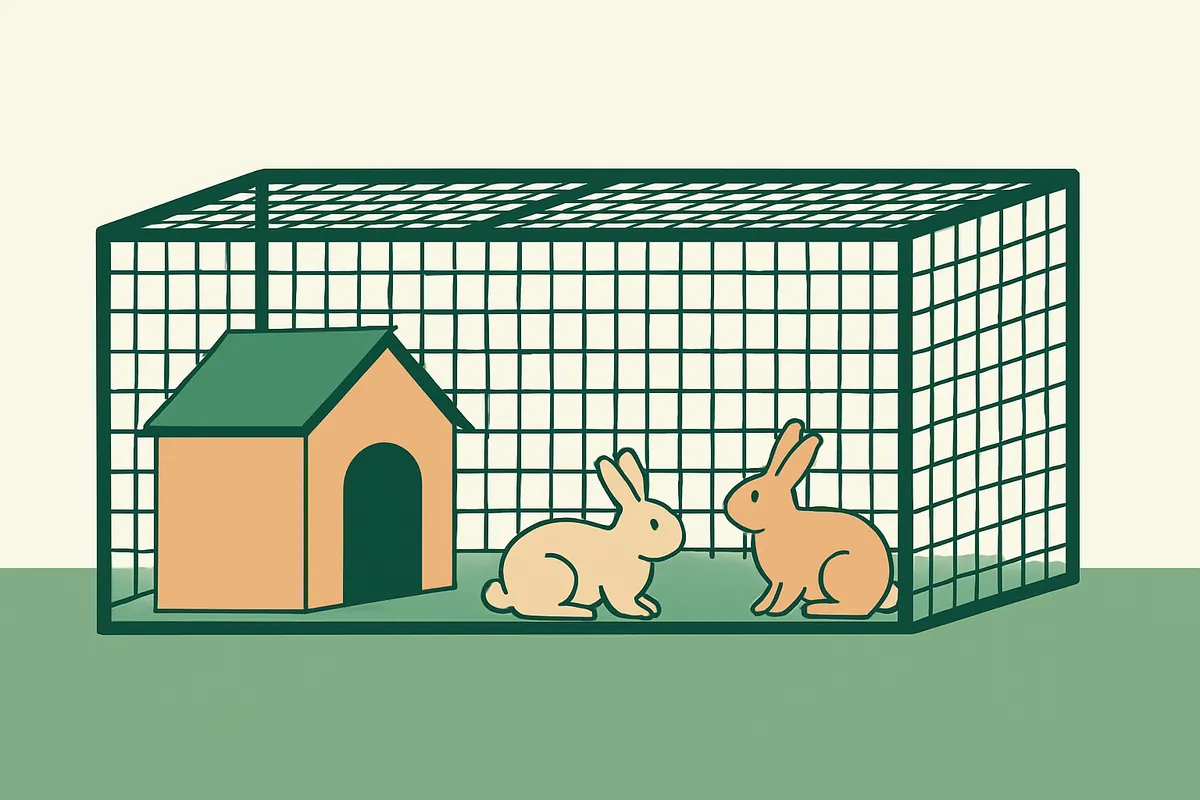
Safe enclosures for reptiles and small mammals do far more than contain an animal. For a reptile, the enclosure is its entire climate: the source of its heat, light and humidity. For a rabbit, guinea pig or hamster, it is where it eats, sleeps, hides and exercises for much of its life. A poorly designed enclosure can cause burns, escapes, injuries, stress and illness; a well-designed one prevents most of them.
This guide covers the principles of safe enclosure design for common pet reptiles and small mammals: size and shape, materials, security, heat and electrical safety, bedding and substrate, placement and predator-proofing. It is written for pet-friendly design professionals, exotic pet staff and knowledgeable keepers. Species needs vary widely, so check species-specific guidance, and involve a vet with exotic experience whenever an animal shows signs of illness or injury.
Principles of safe enclosures
Whatever the species, a safe enclosure:
- Fits the animal's natural behavior. Tree-dwelling species need height; ground-dwellers need floor space; burrowers need depth.
- Is as large as practical. Minimum sizes from old care sheets are often too small. More space allows more natural movement, better temperature gradients and more enrichment.
- Is secure. Many reptiles and small mammals are skilled escape artists, and outdoor enclosures must keep predators out as well as pets in.
- Is well ventilated without being drafty.
- Has hiding places. Prey species and many reptiles need somewhere to retreat to feel safe.
- Is easy to clean thoroughly and regularly.
- Is placed well in the home: away from direct sun, radiators, drafts, loud noise and the attention of cats and dogs.
Reptile enclosures
Size and shape
Match the enclosure to how the species lives. A bearded dragon, which lives on the ground and basks, needs a long enclosure with room for a warm and a cool end. A crested gecko, which lives in trees, needs height and branches to climb. A burrowing species needs a deep substrate layer. Length matters for any species that needs a temperature gradient, because a short enclosure cannot hold a proper warm-to-cool range.
Materials
- Glass tanks are easy to see into and clean, but lose heat and can make shy animals feel exposed. Covering the back and sides helps.
- Wood and PVC vivariums hold heat and humidity well and feel more secure to many species. Seal wood so it can be cleaned and does not rot in humid setups.
- Mesh enclosures give excellent ventilation and suit some species, such as many chameleons, but make heat and humidity harder to hold.
Front-opening enclosures are often preferred for reptiles, since a hand coming from above can resemble a predator and startle the animal.
Security
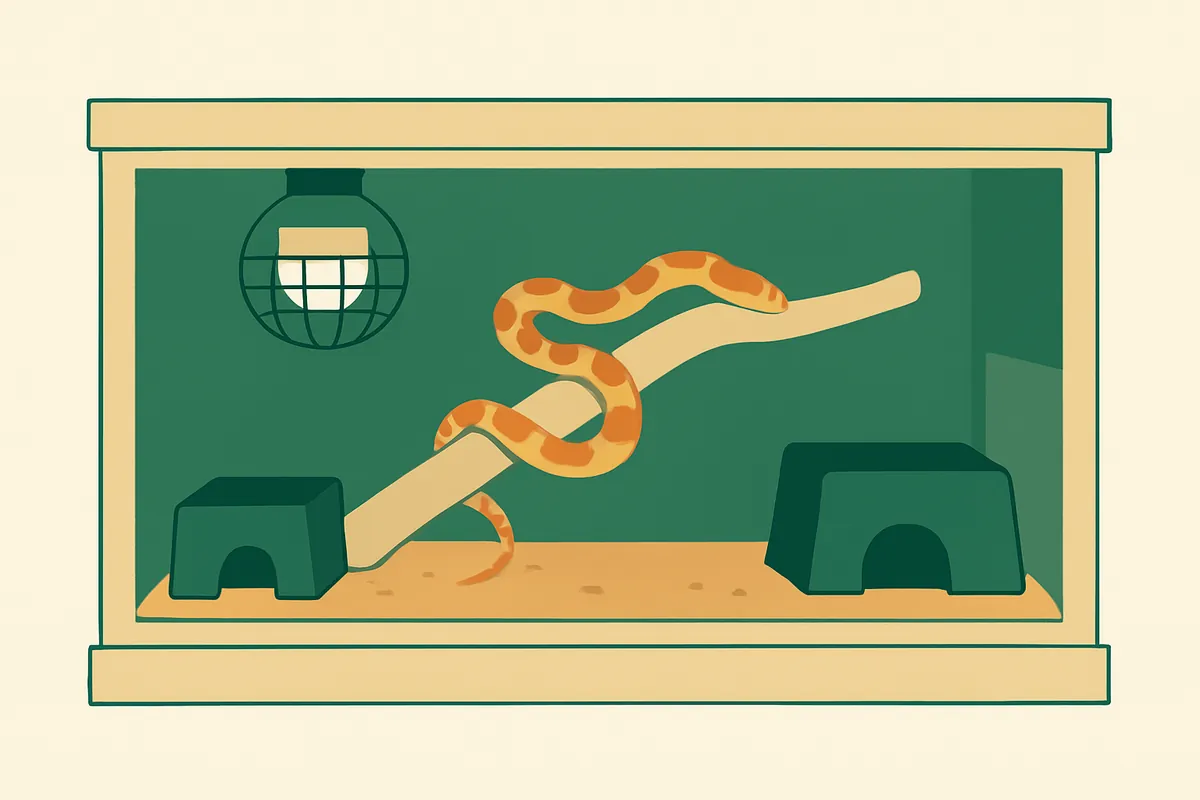
- Locks or secure catches on doors and lids. Snakes in particular can push open loose lids and squeeze through small gaps.
- No gaps around cable entry points, vents or sliding doors.
- Stable décor. Heavy rocks and branches must be secured so they cannot fall on the animal, and so the animal cannot dig underneath and be trapped.
Heat and electrical safety
Burns and heating failures are among the most preventable injuries in reptile keeping.
- Every heat source on a thermostat suited to that type of heater.
- Guards over lamps and heat emitters inside the enclosure, so the animal cannot touch them.
- Heat rocks are widely advised against, because they can cause severe burns.
- Measure, do not guess. Use digital thermometers at both ends and check surface temperatures at the basking spot. See reptile husbandry basics for heat, light and humidity principles.
- Electrical safety. Use a residual current device (RCD, called a GFCI in North America) on circuits powering enclosures, avoid overloading sockets and extension leads, keep cables tidy and out of water, and check equipment regularly for damage.
- Alerts. A temperature alarm or smart sensor can warn an owner when heating fails or overheats.
Substrate
Choose substrate to suit the species: dry and loose for desert species, moisture-holding for humid ones, deep for burrowers. Avoid dusty or sharp materials. Whether particular loose substrates cause problems if swallowed is debated for some species, so ask a reptile vet about the specific animal.
Small mammal enclosures
Rabbits
Rabbits need space to hop several times in a row, stretch out fully and stand up on their hind legs without their ears touching the roof. A hutch on its own does not provide that; a secure shelter attached to a large run, or a rabbit-proofed room, does. They also need places to hide, somewhere to dig and a companion.
For outdoor enclosures:
- Welded mesh rather than chicken wire. Chicken wire may keep a rabbit in, but it does not reliably keep predators such as foxes, raccoons and dogs out.
- Secure bolts rather than simple latches, which some predators can open.
- Protection against digging, both in and out, with a mesh base or buried skirt.
- Shade, shelter and weather protection throughout the year.
Guinea pigs
Guinea pigs need a large, mostly level space with solid flooring, several hides (one per animal is a good starting point) and room to run. They are not natural climbers, so steep ramps and high platforms can cause falls. Keep them away from drafts and heat. Wire floors can injure their feet.
Hamsters and gerbils
- Deep bedding for burrowing, which is central to their natural behavior.
- A solid running wheel large enough that the animal's back stays straight while running. Wire or slatted wheels can trap feet.
- Syrian hamsters live alone as adults and can fight seriously if housed together.
- Secure lids and bar spacing small enough to prevent escapes.
Ferrets
Ferrets need a spacious, escape-proof enclosure with a cozy sleeping area, plus several hours of supervised time outside it each day in a ferret-proofed space. They squeeze through small gaps and chew rubber and foam, which can block their gut.
Bedding and flooring
- Dust-free bedding such as paper-based products is widely recommended for small mammals.
- Strongly scented wood shavings, such as cedar, are widely advised against because of concerns about their effect on the respiratory system.
- Fluffy "cotton wool" style bedding is widely advised against for hamsters and other small rodents, because it can wrap around limbs or be swallowed.
- Solid floors are kinder to feet than wire. Where mesh is used, cover part of it with a solid resting surface.
Placement in the home
- Away from direct sun, radiators and drafts, which make temperatures swing.
- Away from loud noise, speakers and busy doorways.
- Out of sight, reach and smell of cats and dogs where possible. Even when a predator cannot reach a prey animal, being watched is stressful.
- Somewhere the owner passes daily, so changes in behavior and droppings are noticed.
Quick reference
| Species | Key enclosure features | Common mistake |
|---|---|---|
| Bearded dragon | Long enclosure, guarded overhead basking heat, UVB, warm and cool ends | Too short for a proper temperature gradient |
| Crested gecko | Tall enclosure with branches and foliage, good ventilation | Kept too warm |
| Corn snake | Secure lid or front door, hides at both ends | Loose lids leading to escapes |
| Rabbit | Shelter attached to a large run, space to hop and stand, digging area | Hutch alone; chicken wire outdoors |
| Guinea pig | Large level floor, several hides, solid flooring | Wire floors, steep ramps |
| Syrian hamster | Deep bedding, large solid wheel, housed alone | Small cage with little bedding |
| Ferret | Escape-proof enclosure, daily time outside it | Gaps they can squeeze through |
A safety checklist
- Doors and lids lock or latch securely; no gaps.
- Every heat source is on a thermostat and guarded.
- Temperatures and humidity are measured with reliable digital instruments.
- Cables are protected, tidy and on an RCD or GFCI circuit.
- Heavy décor is secured.
- Bedding and substrate are suitable for the species.
- Outdoor enclosures are predator-proof above, at the sides and below.
- The enclosure is placed away from heat, drafts, noise and other pets.
Where your role stops
A design professional can plan and review enclosures and explain the reasons behind each feature. Health concerns (burns, injuries, breathing problems, weight loss, a pet that stops eating) belong with a vet who has exotic experience. Electrical installation and structural work should follow local codes and be done by qualified trades where required.
Keep learning
For the wider principles of designing spaces for animals, read designing pet-friendly homes and smart habitats. Monitoring and alerts are covered in pet technology that helps, the same enrichment thinking for cats in environmental enrichment for indoor cats, and species care in small mammal care basics.
Species-appropriate habitat design and safety are topics in the Smart Habitat Architect assessment. Try our free sample smart habitat questions to see the format.
Written by the PetCred Editorial Team and checked against the published curriculum for this program. Laws and requirements change and differ by place: check local rules before relying on anything legal or regulatory here.
Free course
Smart Habitat Design Fundamentals: A Free 5-Lesson Course
Five short lessons, a quick check after each, no sign-up. Start now →
More pet-friendly homes guides
Designing Pet-Friendly Homes and Smart Habitats
How to design pet-friendly homes around each animal's needs: zones, retreats, vertical space, safe materials, air quality, smart devices and multi-pet homes.
13 August 2026
Pet Technology: Cameras, Feeders and Monitors That Help
Pet technology for professionals: what cameras, smart feeders, pet doors, trackers and sensors really help with, what to watch for and how to plan for failure.
5 September 2026
Environmental Enrichment for Indoor Cats
Environmental enrichment for indoor cats, based on the five pillars of feline needs: safe places, separated resources, play, predictable contact and scent.
24 August 2026