How to Become an Exotic Pet Specialist
What exotic pet specialists do, the husbandry reptiles, birds and small mammals demand, where a vet takes over, and how to get experience and certified.
PetCred Editorial Team · Updated 12 August 2026 · 8 min read
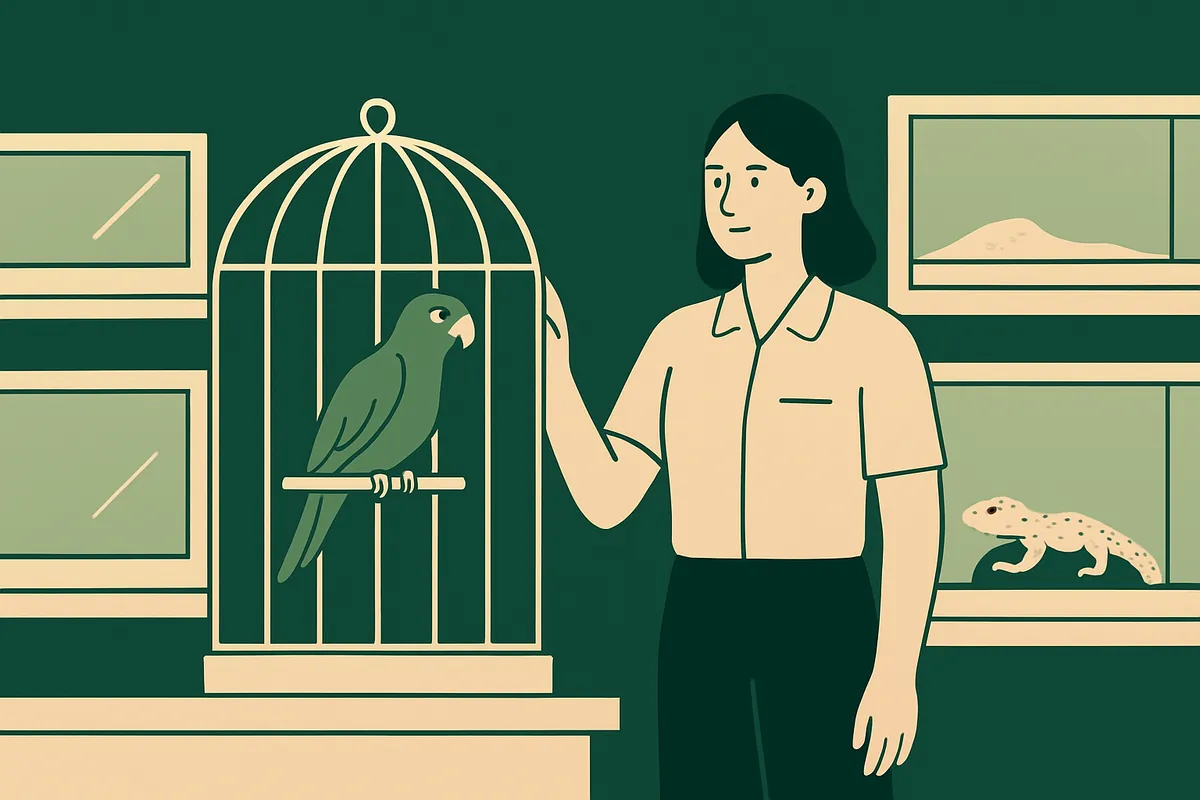
An exotic pet specialist is the person owners turn to when a bearded dragon stops eating, a rabbit sits hunched in the corner or a new parrot owner wants to know what to feed. The work covers reptiles, birds and small mammals, and it is one of the least forgiving areas of pet care: many exotic species depend entirely on their keeper to recreate the heat, light, humidity and diet they evolved with, and many hide illness until it is advanced.
There is no single route into the field. People become exotic pet specialists through specialist pet stores, rescues, boarding and sitting, veterinary support work and consulting. This guide explains what the work involves, the knowledge you need, where your role stops and a vet's begins, how to get experience, which qualifications exist and how to set up.
What an exotic pet specialist does
The title covers several kinds of work:
- Specialist pet store staff. Advising customers on setting up enclosures, choosing species that suit them, feeding and routine care, and recognizing when an animal needs a vet before it is sold or when a customer describes a problem.
- Exotic pet sitting and boarding. Caring for reptiles, birds and small mammals while owners are away, which means following precise routines and noticing subtle changes.
- Rescue and rehoming. Taking in animals that were bought on impulse or kept badly, getting them healthy with a vet's help, and matching them with suitable new homes.
- Husbandry consulting. Reviewing an owner's setup and routine, explaining what needs to change and why, and helping new owners start well.
- Education. Talks, workshops and handling sessions for schools, clubs and new owners.
Across all of these, the common thread is husbandry: the daily management of environment, diet, hygiene and handling that keeps an animal well.
Why exotics are less forgiving
Dogs and cats have lived with people for thousands of years, and much of their care is widely understood. Many exotic species are different:
- Their environment is their health. Reptiles cannot generate their own body heat. Without the right temperatures, they cannot digest food or fight infection properly. Without suitable ultraviolet light and calcium, many develop metabolic bone disease.
- Many are prey species. Rabbits, guinea pigs, many birds and small rodents instinctively hide weakness. By the time a prey animal looks ill, it may be seriously ill.
- Species needs differ enormously. A desert lizard and a rainforest frog need almost opposite conditions. Advice that is right for one can harm another.
- Misinformation is common. Outdated care sheets and well-meant advice spread quickly online.
Exotic vets often say that many of the problems they see are linked to husbandry. That is exactly where a knowledgeable specialist can make a difference, by getting the setup right before the animal becomes ill.
Where your role stops
An exotic pet specialist advises on husbandry and recognizes problems. A veterinarian diagnoses and treats. Some points to hold on to:
- Not every vet sees exotics. Encourage owners to find a vet with exotic animal experience before they need one, and keep a list of local exotic vets for referrals.
- Do not treat. No medication, home remedies, supplements for a sick animal or "wait and see" for a prey animal that has stopped eating. Refer.
- Refer early. A rabbit that stops eating or passing droppings, a bird fluffed up on the cage floor or a reptile with swellings, breathing problems or a soft jaw needs a vet, not advice.
Knowing when to say "this needs a vet today" is the most valuable judgment you offer.
The knowledge you need
Reptile husbandry: heat, UVB and humidity
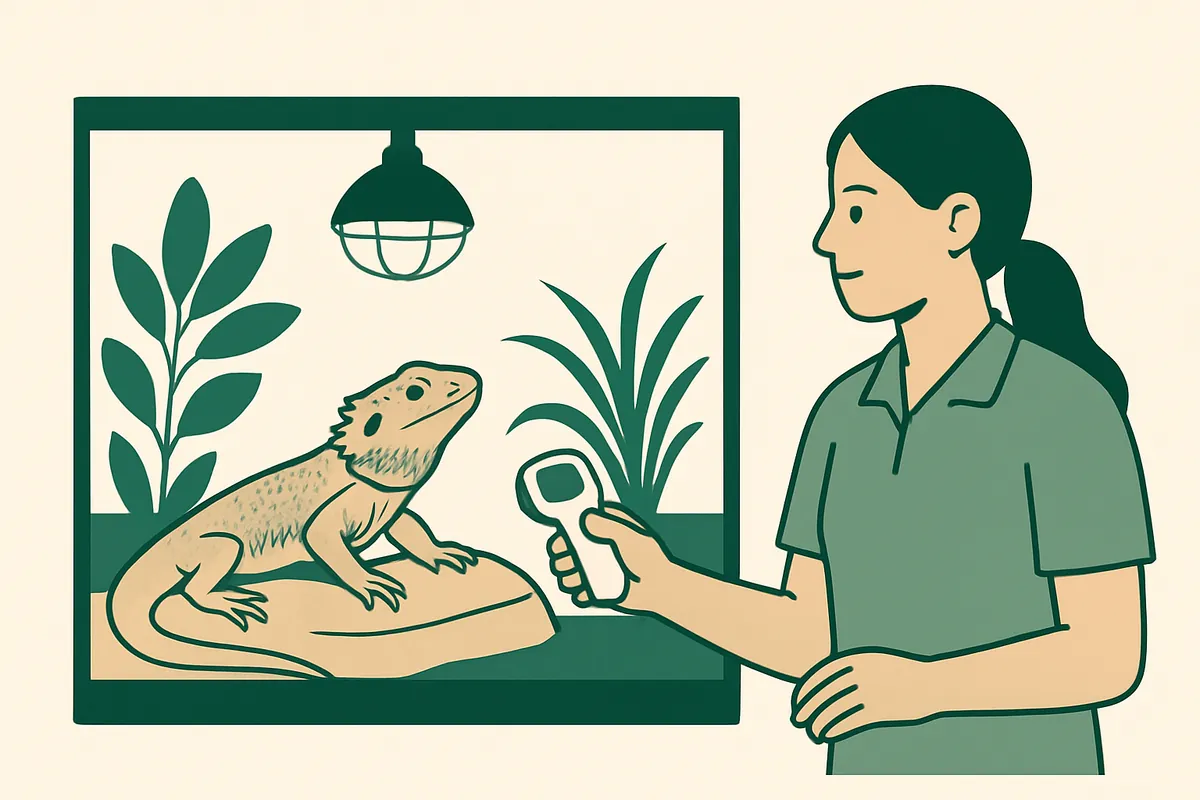
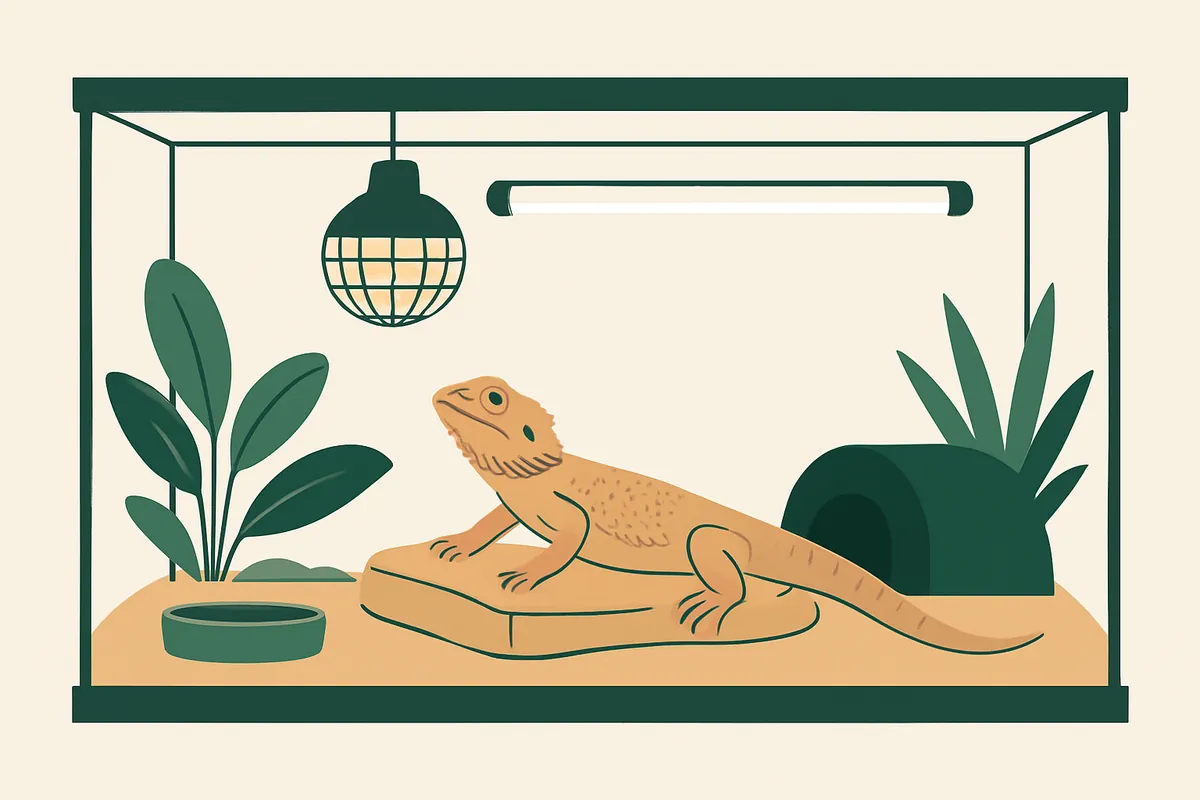
Reptiles need a temperature gradient so they can move between warmer and cooler areas, a basking area for species that bask, appropriate ultraviolet lighting for species that need it, and humidity suited to their natural habitat. You need to know how to measure these properly and how they differ between common species. See reptile husbandry basics.
Avian care: diet, enrichment and flight safety
Pet birds are intelligent, social animals. A seed-only diet is a common cause of malnutrition in parrots, and boredom and isolation are linked to feather-damaging behavior. Birds are also highly sensitive to airborne toxins: fumes from overheated non-stick cookware, aerosols and smoke can be fatal. Safe free-flight time needs windows, mirrors, ceiling fans, open water and other pets managed first.
Small mammals: rabbits, rodents and ferrets
Rabbits and guinea pigs need a diet based on hay, and their teeth grow continuously. Guinea pigs cannot make their own vitamin C and need it in their diet. Ferrets are carnivores with very different needs again. Most of these species are social and do better with suitable companions. See small mammal care basics.
Species-appropriate habitat design
The enclosure is the animal's whole world. Size, layout, hides, climbing, burrowing, substrate, ventilation and security all matter, and they differ by species.
Nutrition and supplementation
Each group has its own needs: insect-eating lizards need properly gut-loaded insects and calcium supplementation, herbivores need the right plants, and carnivores need whole-prey or suitable diets. Oversupplementation can be as harmful as deficiency, so specific plans for sick animals belong with the vet.
Recognizing illness and stress in prey species
The signs are often subtle: reduced appetite, fewer or smaller droppings, sitting hunched, fluffed-up feathers, changes in breathing, weight loss. Regular weighing on kitchen scales is one of the simplest and most useful monitoring tools for small exotics.
Handling, restraint and zoonotic risk
Many exotic species are easily stressed or injured by poor handling: rabbits can injure their backs if they kick while held badly, and some lizards can drop their tails. Some exotic animals can also carry infections that pass to people. Reptiles commonly carry Salmonella, for example, and birds can carry psittacosis. Good hand hygiene, separate cleaning equipment and advice for higher-risk households (young children, older people, pregnant people and anyone with a weakened immune system) are basic professional practice.
Quarantine, hygiene and multi-species households
New animals should be quarantined before they join existing ones. Some species should never share space: predators and prey, or species that can pass diseases to each other. Cleaning routines, equipment separation and record keeping prevent many problems.
How to get experience
Knowledge from books has to be matched by time with real animals:
- Work in a specialist exotic pet store. A good one teaches you husbandry, species selection and customer advice, and shows you animals at every stage.
- Volunteer at a rescue. Reptile, rabbit and bird rescues see the results of poor care and learn how to put it right.
- Join keeper clubs and societies. Herpetological societies, rabbit welfare groups and avian clubs share practical experience and often run talks.
- Shadow an exotic vet or vet nurse. Ask whether you can observe consultations. You will learn which husbandry mistakes cause which problems.
- Keep a small number of species well yourself. Depth with a few species teaches more than a little of many. Only take on animals you can care for properly for their whole lives, which can be decades for some reptiles and parrots.
Qualifications and certifications
There is no single required qualification for most exotic pet work. The options include:
- College courses in animal care or animal management, which often include exotic species and practical placements.
- Veterinary nursing and technician training, with further study in exotic species for those who want to work in clinics.
- Zoo keeping qualifications, which overlap with exotic pet care but lead to a different career.
- Short private courses on specific species or groups, which vary widely in quality.
- Knowledge credentials, including online assessments, which test your understanding across species without observing hands-on skill.
A practical qualification shows what you can do; a knowledge credential shows what you understand and can apply. Owners and employers cannot easily judge either on their own, which is why a credential they can verify matters.
The legal side
Laws about exotic animals vary a great deal between countries, and often between states, provinces or local areas. Depending on where you are and what you do, you may need to know about:
- Licenses for selling animals as pets, boarding them or running an animal business.
- Species that need a special license to keep, or cannot be kept at all.
- International rules on trade in protected species.
- Rules on invasive species that cannot be sold, bred or released.
- General animal welfare laws that set out an owner's duty of care.
At the time of writing, these rules change regularly, so check with your local authority before you start a business or advise on a particular species. See exotic pet welfare and the law for an overview.
Setting up to work
- Define your service. Sitting, boarding, consulting, education or retail. Be clear about which species you work with and which you do not.
- Insurance. Public liability and care, custody and control insurance are standard when you look after other people's animals.
- Written agreements and records. Record each animal's routine, temperatures, feeding, weight and anything unusual, and agree in writing what happens if an animal becomes ill in your care, including which vet to use.
- Hygiene protocols. Hand washing, separate equipment, quarantine procedures and safe disposal of waste.
- A vet relationship. Know which local vets see which species, and how to reach them out of hours.
Mistakes new exotic specialists make
- Giving one-size-fits-all advice. Always ask exactly which species the owner has.
- Trusting old care sheets. Husbandry guidance has improved; check that advice is current.
- Guessing temperatures. Use accurate digital thermometers and check them regularly.
- Waiting with prey animals. A rabbit or guinea pig that has stopped eating needs a vet the same day.
- Taking on too many species. Breadth without depth leads to mistakes.
How long it takes
| Route | Typical time to start working | What you get |
|---|---|---|
| Specialist store or rescue work | Weeks | Daily experience with many species |
| College course in animal care | One to three years | Structured learning and placements |
| Veterinary nursing with exotics study | Several years | Clinical skills and a regulated qualification |
| Self-study plus experience and a knowledge credential | Months, at your own pace | Broad theory, verifiable knowledge and your own practice |
Where to start today
Choose one group (reptiles, birds or small mammals) and learn a few common species in depth: their natural habitat, diet, environment and the signs that they are unwell. Visit a specialist store or rescue and ask whether they take volunteers. Find out which vets near you see exotics.
When you want to test your knowledge, try our free sample exotic pet questions. They use the same format as the Exotic Pet Specialist assessment, with model answers you can compare against. For your next read, start with reptile husbandry basics or small mammal care basics.
Frequently asked questions
Do you need a qualification to work with exotic pets?
In most places no single qualification is required to work in exotic pet care, although businesses that sell or board animals may need a license from the local authority. Employers and clients look for experience, knowledge they can check and a clear understanding of when to refer to a vet.
What is the hardest part of exotic pet care?
Getting husbandry right for each species. Many reptiles depend entirely on their keeper for heat, light and humidity, and prey species such as rabbits and guinea pigs hide illness until it is advanced. Small mistakes in setup or late recognition of illness have serious consequences.
Can an exotic pet specialist treat a sick animal?
No. A specialist advises on husbandry and recognizes signs of illness, but diagnosis and treatment belong to a veterinarian, ideally one with experience of the species. Part of the job is knowing which local vets see exotic animals.
Written by the PetCred Editorial Team and checked against the published curriculum for this program. Laws and requirements change and differ by place: check local rules before relying on anything legal or regulatory here.
Free course
Exotic Pet Care Fundamentals: A Free 5-Lesson Course
Five short lessons, a quick check after each, no sign-up. Start now →
More exotic pets guides
Exotic Pet Welfare and the Law
Exotic pet welfare and the law explained for professionals: welfare frameworks, CITES and the main rules on keeping and selling exotic pets in four countries.
16 September 2026

Small Mammal Care: Rabbits, Guinea Pigs and Ferrets
Small mammal care for rabbits, guinea pigs and ferrets: diet, housing, companionship, handling, routine health checks and the warning signs that need a vet.
4 September 2026
Reptile Husbandry Basics: Heat, Light and Humidity
Reptile husbandry basics for professionals: heat gradients, UVB lighting, humidity by species, measuring conditions and the signs that something is wrong.
23 August 2026