How Much Do Exotic Animal Keepers Make? Zoo and Exotic Pet Careers
Zookeeper and exotic animal keeper pay explained honestly: official figures in four countries, what they cover, and how exotic pet care builds real income.
PetCred Editorial Team · Updated 4 October 2026 · 8 min read
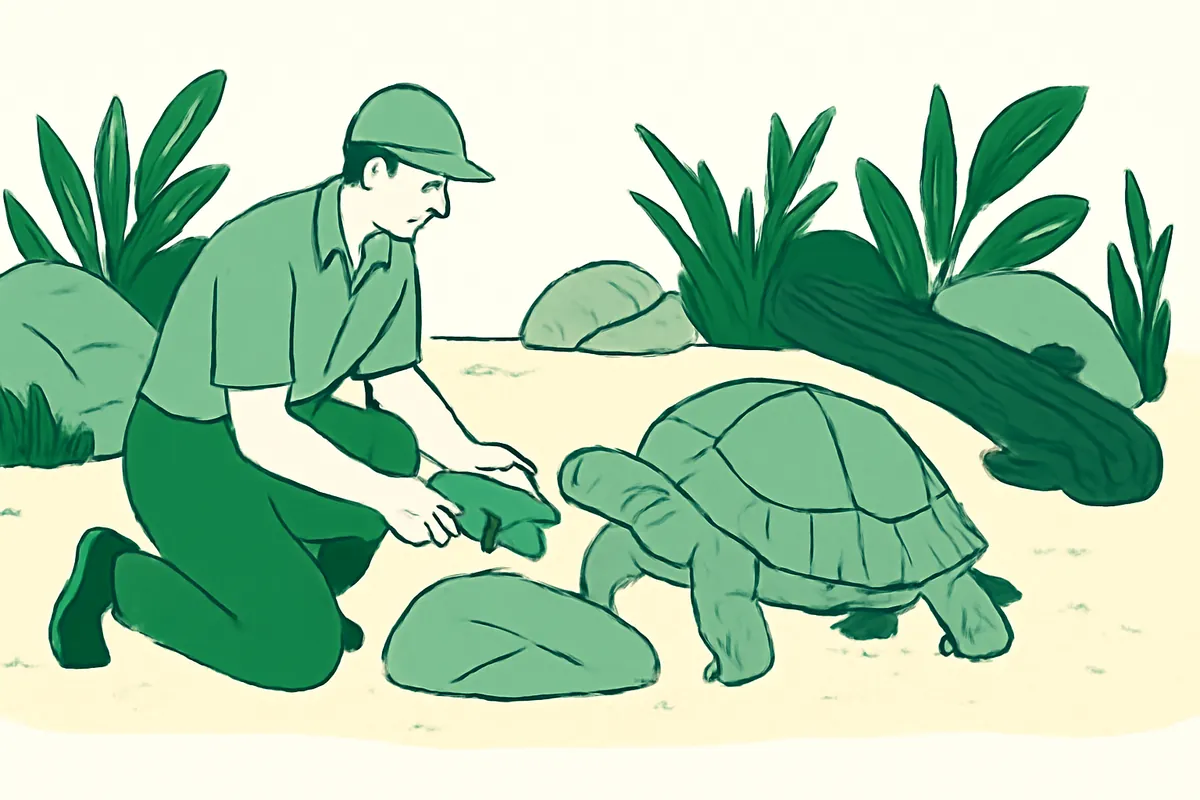
How much an exotic animal keeper makes depends on where the work happens. A zookeeper at a zoo or aquarium, a keeper at a wildlife park, a specialist in an exotic pet store, an exotic pet sitter and a husbandry consultant all care for unusual animals, and their pay is built in completely different ways. Zoo keeping is a competitive field of employed jobs with set wages. Exotic pet work is mostly retail, care services or self-employment, where income depends on your own prices and clients.
This guide shows what official statistics publish for this work in the US, UK, Canada and Australia, exactly which groups each figure covers, and what none of them can tell you. Then it explains how income from exotic animal work is built, with a worked example for an exotic pet sitter that you can repeat with your own numbers. Figures checked October 2026.
What official statistics say about exotic animal keeper pay
No statistics office has a category for exotic pet specialists. Zookeepers do appear, usually inside wider animal care groups. All amounts below are gross, before tax, in the local currency.
United States
The Bureau of Labor Statistics counts zookeepers inside Animal Caretakers (SOC 39-2021); the official definition names zoo animals among the animals covered and gives zookeeper as an example, alongside kennel and shelter workers and dog groomers. In May 2025, animal caretakers had a median annual wage of USD 35,360; the lowest 10 percent earned less than USD 27,250 and the highest 10 percent more than USD 50,060. Source: BLS Occupational Outlook Handbook, Animal Care and Service Workers. The same handbook notes that most zoos require zookeepers to have a bachelor's degree in biology, animal science or a related field.
BLS publishes no separate figure for zookeepers or for exotic pet specialists, and its wage survey does not include the self-employed.
United Kingdom
The National Careers Service zookeeper profile gives an average salary of GBP 21,000 for a starter and GBP 28,000 for an experienced keeper, with typical hours of 30 to 37 a week on shifts that include evenings, weekends and bank holidays. It notes that competition for jobs can be strong and that moving to another part of the country may be needed to reach senior positions. The profile does not state a reference year.
There is no profile for exotic pet specialists. The nearest is the animal care worker profile, which covers work in kennels, rescue centers, pet shops and sanctuaries: GBP 21,000 for a starter and GBP 24,000 for an experienced worker, typically 38 to 40 hours a week. It does not single out exotic species.
The Office for National Statistics codes zoo keepers, animal keepers and aquarists to Animal care services occupations n.e.c. (SOC 2020 unit group 6129), alongside dog groomers, kennel workers and stable hands. In the Annual Survey of Hours and Earnings (2025 provisional results), the median gross annual pay for full-time employees in that group was GBP 25,067. Source: ONS, ASHE Table 14. ASHE covers employee jobs only.
Canada
Job Bank's nearest title for a zookeeper is "animal attendant, zoo", in Pet groomers and animal care workers (NOC 65220). Pet shop attendants are in the same group. For Canada as a whole, both show a low of CAD 15.00, a median of CAD 18.00 and a high of CAD 25.50 an hour, reference period 2023-2024 (wages updated November 19, 2025). Sources: Job Bank, zoo animal attendant wages and Job Bank, pet shop attendant wages. Job Bank publishes wages paid to employees, and the same group also covers groomers, kennel staff and pet sitters.
Australia
Jobs and Skills Australia's Zookeeper profile (OSCA 341134), which lists aquarist as a specialization, counts about 1,600 zookeepers in the 2021 Census, 63.2 percent full time and 37.1 percent part time. It publishes no earnings figure. The nearest figure is for Animal Attendants and Trainers (ANZSCO 3611), which includes zookeepers alongside dog trainers, horse trainers, pet groomers and kennel hands: median weekly earnings of AUD 1,276 for full-time non-managerial adult employees, before tax, from the ABS Survey of Employee Earnings and Hours, May 2025. Source: Jobs and Skills Australia, Animal Attendants and Trainers. The site notes that these ANZSCO figures will not be updated again.
What the figures leave out
- Exotic pet work has no category of its own. Store staff, sitters and consultants who specialize in reptiles, birds or small mammals are mixed in with general animal care.
- Self-employed keepers are not counted. Every survey above measures employees.
- Keeper jobs are competitive. A median wage says nothing about how hard a keeper job is to get. The National Careers Service describes work experience and volunteering at a zoo or aquarium as a strong way to improve your prospects, which is time you should plan for, not income.

How exotic animal income is built
Employed keeper roles
Zoos, aquariums, wildlife parks and sanctuaries pay a wage set by the employer, often for shift work that includes evenings, weekends and public holidays. Progression runs from keeper to senior or head keeper, and with experience and a degree to roles such as curator. Specializing in a group of species (reptiles, birds, primates, aquatic life) can build the experience employers look for.
Specialist pet stores
Staff in a good exotic pet store advise customers on enclosures, species choice, feeding and routine care, and recognize when an animal needs a vet before it is sold. Pay is an employed retail or animal care wage, with progression to supervisor or manager.
Exotic pet sitting and boarding
Sitting for reptiles, birds and small mammals means following precise routines: checking temperatures, lighting and humidity, feeding the right diet, weighing small animals and noticing subtle changes. Visits can take longer than they look, because checking equipment is part of the job, and a household with several enclosures takes longer again. Boarding other people's animals can require a license in some places; see exotic pet welfare and the law and check with your local authority.
Husbandry consulting and education
Experienced specialists review an owner's setup and routine, help new owners start well, and give talks for schools, clubs and rescues. This work depends on accurate, current knowledge of each species. Our guides to reptile husbandry basics and small mammal care basics show the depth involved.
Scope, hygiene and costs
An exotic specialist advises on husbandry and recognizes problems; a vet with exotic experience diagnoses and treats. A prey animal that stops eating, or a reptile with breathing problems or swellings, needs a vet, not advice. Some exotic animals carry infections that can pass to people, such as Salmonella in reptiles, so hand hygiene and separate equipment for each household are part of every visit. Budget for insurance that covers animals in your care, accurate digital thermometers, scales, hygiene supplies and travel.
What certification can and cannot change
For zoo jobs, employers usually look for relevant degrees or college qualifications and hands-on experience. For exotic pet work, a knowledge certification can show owners and employers that you understand husbandry, nutrition, signs of illness and zoonotic risk across species. It cannot prove hands-on skill or replace time with real animals, and it does not license you to run an animal business where a license is required.
A worked example: pricing an exotic pet sitting visit
This follows the method of the free pet service price calculator, for a part-time exotic pet sitter. The inputs are invented to show the method. They are not typical earnings, costs or rates, and they are in no particular currency.
| Input | Example value |
|---|---|
| Income goal a month, before tax | 1,200 |
| Share set aside for tax and savings | 20% |
| Business costs a month (insurance, thermometers, scales, phone) | 150 |
| Time per visit, including equipment checks and notes | 40 minutes |
| Travel time, round trip | 25 minutes |
| Travel distance and running cost | 16 km at 0.30 per km |
| Supplies per visit (gloves, disinfectant) | 1 |
| Hours a month for visits, including travel | 60 |
| Share of slots you expect to fill | 70% |
Working through it:
- Profit needed: 1,200 ÷ 0.80 = 1,500.
- Monthly target with costs: 1,500 + 150 = 1,650.
- Visits that fit: each takes 65 minutes with travel, so 55 fit into 60 hours. At 70 percent booked, 38 (rounded down).
- Cost per visit: 1 + 16 × 0.30 = 5.80.
- Price per visit: 1,650 ÷ 38 + 5.80 = about 49.22.
- Break-even: 150 ÷ 38 + 5.80 = about 9.75, the price that covers costs and pays you nothing.
Now group your clients by area so that each visit needs only 15 minutes and 8 km of travel. Each visit then takes 55 minutes, 65 fit into the same hours, 45 are booked at 70 percent, and the price needed falls to about 40.07. Travel is one of the inputs a sitter can often reduce. For a household with several enclosures, run the calculator again with the longer visit time rather than squeezing the work into a standard visit.
How to increase exotic animal income responsibly
- Specialize. Choose the species groups you know well, say so clearly, and turn down the rest.
- Build relationships with exotic vets. Knowing who sees which species, and referring early, protects animals and brings referrals back.
- Price by time, not by animal. Complex setups take longer, and your prices should say so.
- Group visits by area to cut unpaid travel.
- Never cut hygiene or monitoring to save time. Skipped temperature checks or shared equipment put animals and people at risk.
- For zoo careers, plan the long route. Qualifications, experience and patience matter more than any single credential.
Where to go next
For the full route into the work, read how to become an exotic pet specialist. To check your knowledge, try the free exotic pet sample questions, and see what the Exotic Pet Specialist certification covers. Then work out your own visit prices with the pet service price calculator.
Frequently asked questions
Is there an official salary for exotic pet specialists?
No. At the time of writing, statistics offices in the US, UK, Canada and Australia have no category for exotic pet specialists. Zookeepers are counted within wider animal care groups, and self-employed sitters and consultants are outside the main pay surveys.
Do you need a degree to be a zookeeper?
It depends on the employer and the country. The US Bureau of Labor Statistics notes that most zoos require a bachelor's degree in biology, animal science or a related field, and the UK National Careers Service describes work experience and volunteering at a zoo or aquarium as a strong way to improve your chances.
Can an exotic pet specialist treat a sick animal?
No. An exotic pet specialist advises on husbandry and recognizes signs of illness; diagnosis and treatment are for a vet, ideally one with exotic animal experience. Refer early, especially when a prey animal stops eating.
Written by the PetCred Editorial Team and checked against the published curriculum for this program. Laws and requirements change and differ by place: check local rules before relying on anything legal or regulatory here.
Free course
Exotic Pet Care Fundamentals: A Free 5-Lesson Course
Five short lessons, a quick check after each, no sign-up. Start now →
More exotic pets guides

How to Become an Exotic Pet Specialist
What exotic pet specialists do, the husbandry reptiles, birds and small mammals demand, where a vet takes over, and how to get experience and certified.
12 August 2026

Exotic Pet Welfare and the Law
Exotic pet welfare and the law explained for professionals: welfare frameworks, CITES and the main rules on keeping and selling exotic pets in four countries.
16 September 2026

Small Mammal Care: Rabbits, Guinea Pigs and Ferrets
Small mammal care for rabbits, guinea pigs and ferrets: diet, housing, companionship, handling, routine health checks and the warning signs that need a vet.
4 September 2026
Reptile Husbandry Basics: Heat, Light and Humidity
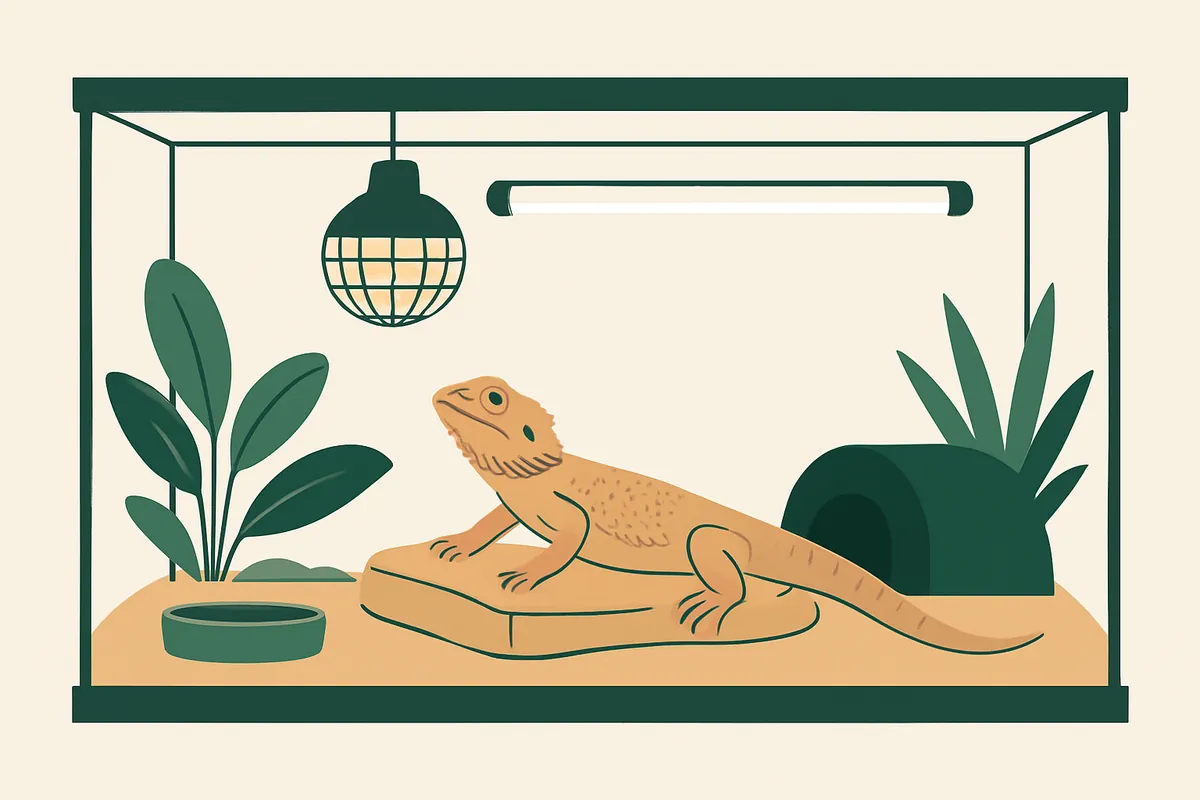
Reptile husbandry basics for professionals: heat gradients, UVB lighting, humidity by species, measuring conditions and the signs that something is wrong.
23 August 2026