Dog Coat Types Explained: A Groomer's Guide
Double, single, curly, wire and hairless coats: how each grows, how to bathe, dry and brush it, and the common mistakes that damage coats and skin.
PetCred Editorial Team · Updated 25 September 2026 · 4 min read
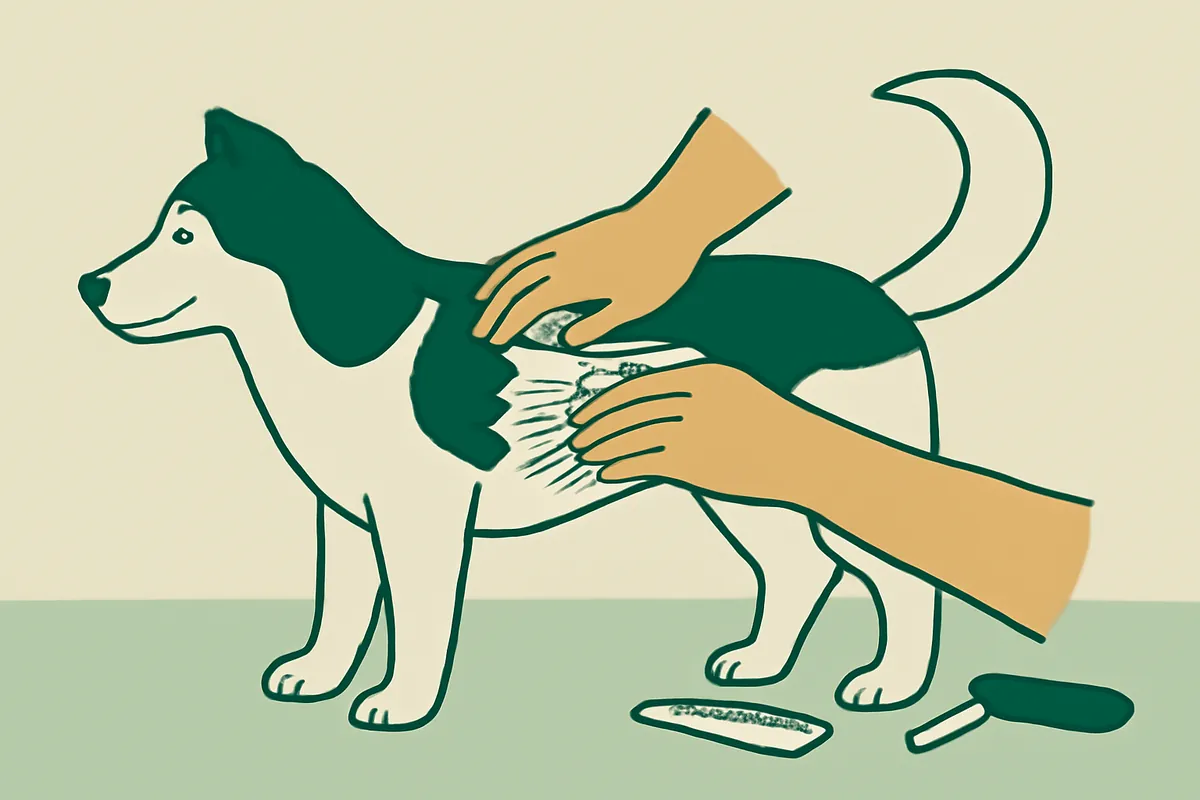
Almost every decision a groomer makes starts with the coat: which brush to use, how to bathe and dry, whether a short clip is safe, and what the owner can realistically expect. Get the coat wrong and you can cause matting, skin irritation or a coat that grows back patchy.
This guide covers the main coat types, how each grows, and how to care for it.
How hair grows
Dog hair grows in cycles: a growing phase, a short transition, a resting phase and then shedding. The length of the growing phase is what differs most between coats.
- Coats with a short growing phase reach a set length and then shed. Labradors and German Shepherds are examples. These coats do not need cutting, but they shed a lot.
- Coats with a long growing phase keep growing and shed little. Poodles and Shih Tzus are examples. These coats need regular cutting, and the hair that is shed tends to stay caught in the coat, which is why they mat.
Many coats also have two layers: a coarser outer guard coat and a soft, dense undercoat that insulates.
The main coat types
| Coat type | Examples | Key care points |
|---|---|---|
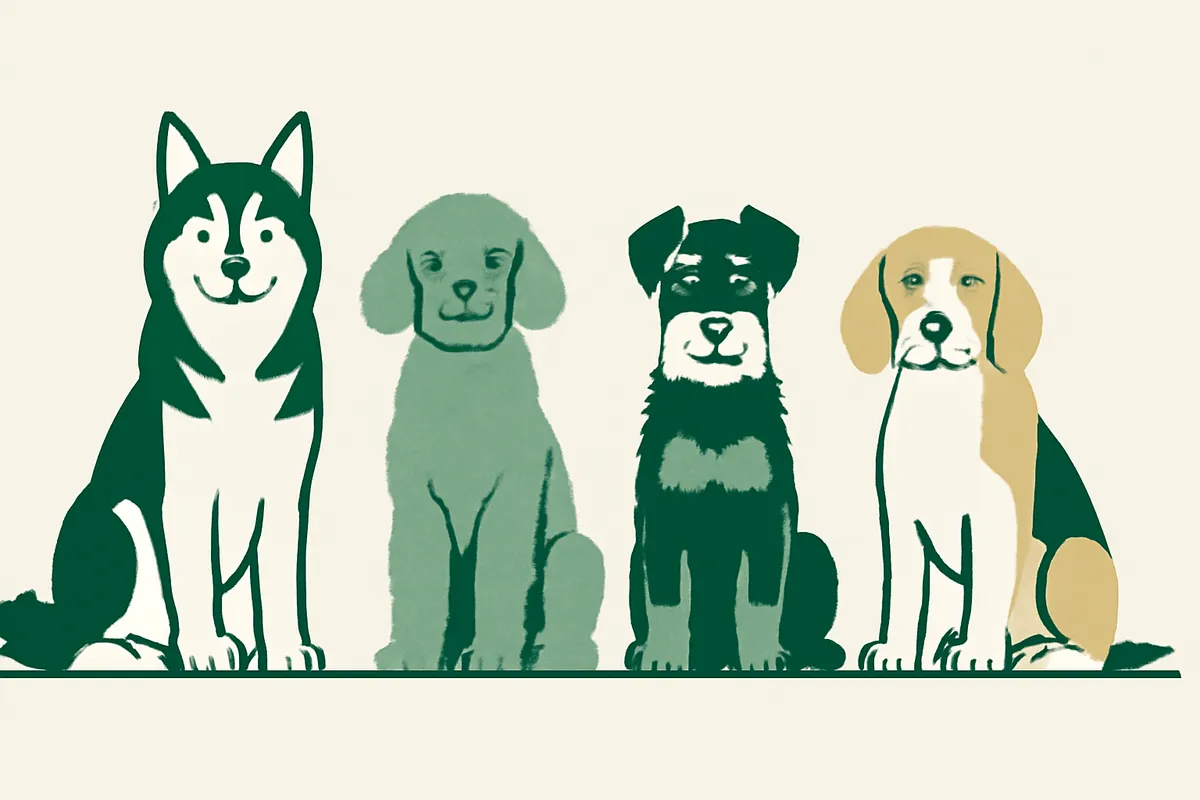
| Double coat | Husky, German Shepherd, Golden Retriever, Pomeranian | Remove loose undercoat; dry thoroughly to the skin; avoid shaving unless there is a clear welfare reason |
| Curly, low-shedding | Poodle, Bichon Frise, many doodles | Brush to the skin, line-brush; regular clipping; high matting risk |
| Long, silky single coat | Yorkshire Terrier, Maltese, Shih Tzu | Gentle daily brushing; conditioner; tangles form at friction points |
| Wire coat | Border Terrier, Schnauzer, Wire Fox Terrier | Hand-stripping keeps texture and colour; clipping softens the coat |
| Smooth, short coat | Boxer, Beagle, Dachshund (smooth) | Rubber curry brush, bathing and a check of skin and nails |
| Hairless or nearly hairless | Chinese Crested, Xoloitzcuintli | Skin care, sun protection, gentle cleansers |
Double coats
Double-coated dogs shed their undercoat seasonally, sometimes in large amounts. Good care means removing that loose undercoat with the right tools, usually an undercoat rake, a slicker and a high-velocity dryer, and drying right down to the skin. Trapped damp undercoat can lead to skin problems.
Shaving double coats is a common point of disagreement with owners. The coat insulates against heat as well as cold, and after close clipping some dogs regrow coat unevenly or very slowly, a problem sometimes called post-clipping alopecia. Many groomers only clip a double coat short when there is a clear reason, such as severe matting or a vet's request, and explain the risks first.
Curly coats
Curly coats trap shed hair, which is why they are sold as "low-shedding" and also why they mat. Mats form close to the skin, where the owner cannot see them, especially behind the ears, in the armpits, on the legs and under collars and harnesses.
Good care means brushing all the way to the skin in sections, known as line brushing, then checking with a comb. Owners of doodles and poodle crosses often need clear instructions and a realistic rebooking interval, usually every four to eight weeks.
Silky coats
Long, fine, silky coats tangle easily at friction points and break if brushed roughly. Use a pin brush and a comb, work gently from the ends towards the skin, and use a conditioner. Many pet owners choose a shorter "puppy" trim to make home care manageable.
Wire coats
Wire coats have a harsh outer coat that is traditionally maintained by hand-stripping: pulling out dead hair so new, harsh hair grows in. Clipping a wire coat instead is quicker and common for pets, but over time it tends to make the coat softer and lighter in colour. Explain the difference to owners and let them choose.
Smooth coats
Short, smooth coats are easy to maintain but still benefit from grooming: a rubber curry brush lifts dead hair, and bath time is a chance to check the skin, nails, ears and teeth. Smooth-coated dogs can shed more than owners expect.
Bathing and drying by coat type
- Choose products for the coat and skin, not the scent. Harsh or wrongly diluted shampoos can irritate skin.
- Rinse thoroughly. Leftover shampoo is a common cause of itching.
- Dry completely. Damp coats, especially dense undercoats, can lead to skin problems and matting.
- Match drying to the dog. High-velocity drying is efficient for double coats but can frighten some dogs. Heat must always be managed carefully. See dog grooming safety.
Talking to owners about coats
Many grooming complaints come from expectations, not technique. Explain:
- Why their doodle needs brushing to the skin between visits.
- Why shaving their husky is not a simple fix for shedding or heat.
- Why a matted coat has to come off short, and how to prevent it next time. See how to de-matt a dog safely.
Coat types, hair growth and skin anatomy are the first topic in the Professional Dog Groomer curriculum. For the full route into the profession, see how to become a certified dog groomer.
Written by the PetCred Editorial Team and checked against the published curriculum for this program. Laws and requirements change and differ by place: check local rules before relying on anything legal or regulatory here.
More dog grooming guides
How to Become a Certified Dog Groomer: A Practical Guide
The skills a dog groomer needs, how to train through a school, apprenticeship or salon, which certification to choose and how to start working safely.
25 September 2026

Do You Need a License to Be a Dog Groomer? Rules in the US, UK, Canada and Australia
Dog grooming is mostly unlicensed, but not unregulated. What the law asks of groomers in four countries, what clients look for and why training still matters.
25 September 2026
Dog Grooming School, Apprenticeship or Certification: Which Route Is Right for You?
Grooming schools, salon apprenticeships, online courses and certifications compared: what each teaches, what each proves and how to combine them.
25 September 2026
How to De-Matt a Dog Safely, and When to Shave Instead
Why mats form, how to remove light tangles without pain, when a shave-down is the humane choice and how to talk to owners about matted dogs.
25 September 2026