How to De-Matt a Dog Safely, and When to Shave Instead
Why mats form, how to remove light tangles without pain, when a shave-down is the humane choice and how to talk to owners about matted dogs.
PetCred Editorial Team · Updated 25 September 2026 · 3 min read
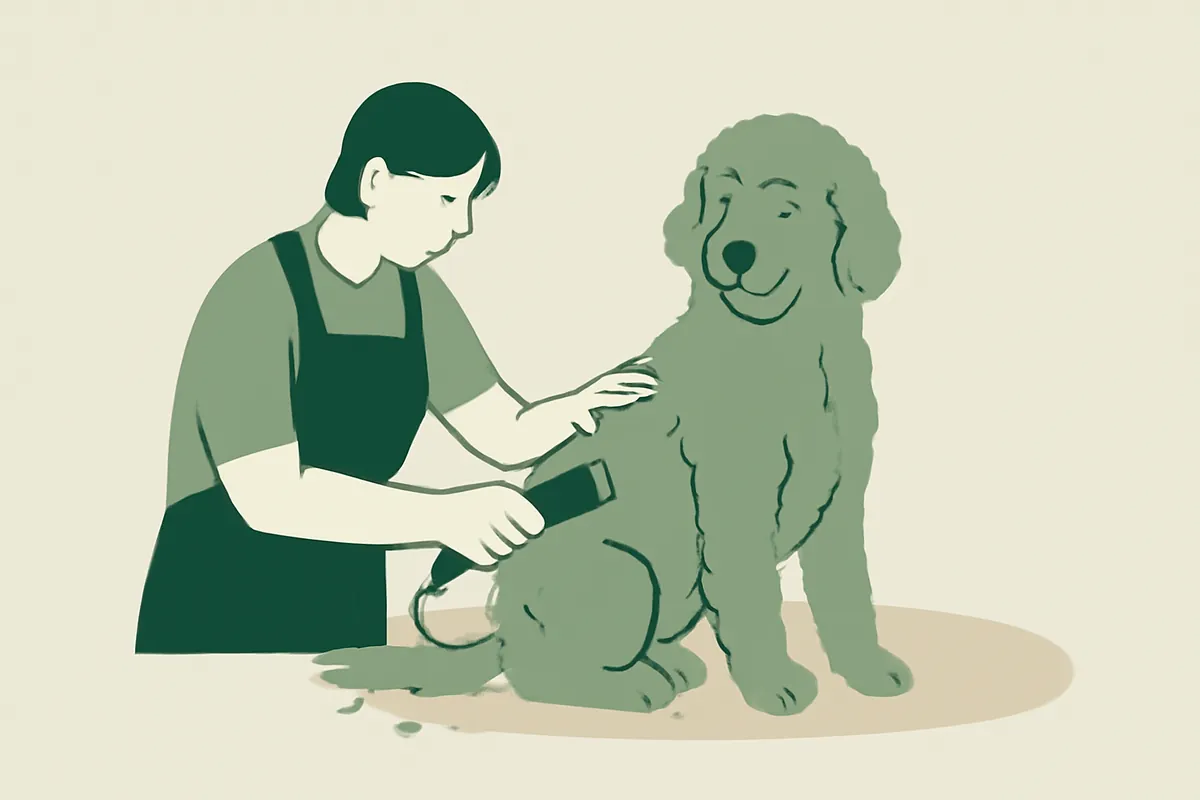
Matting is one of the most common problems groomers see and one of the most common causes of unhappy owners. Handled well, it is a chance to protect a dog's welfare and earn a client's trust. Handled badly, it means hours of pain for the dog and a complaint for the groomer.
Why mats form
Mats form when loose hair tangles with the coat around it and tightens over time. They build up fastest:
- In curly and long, fine coats that trap shed hair.
- At friction points: behind the ears, in the armpits, between the legs, under collars and harnesses, and on the tail and feet.
- When a coat gets wet and is not dried and brushed out, because water tightens tangles.
- When owners brush the surface but never reach the skin.
A coat can look fluffy on top while being matted solid underneath. Always check to the skin with a comb.
Light tangles: brushing them out
Small, loose tangles can usually be removed without discomfort:
- Work before the bath. Bathing tightens mats; brush out tangles first.
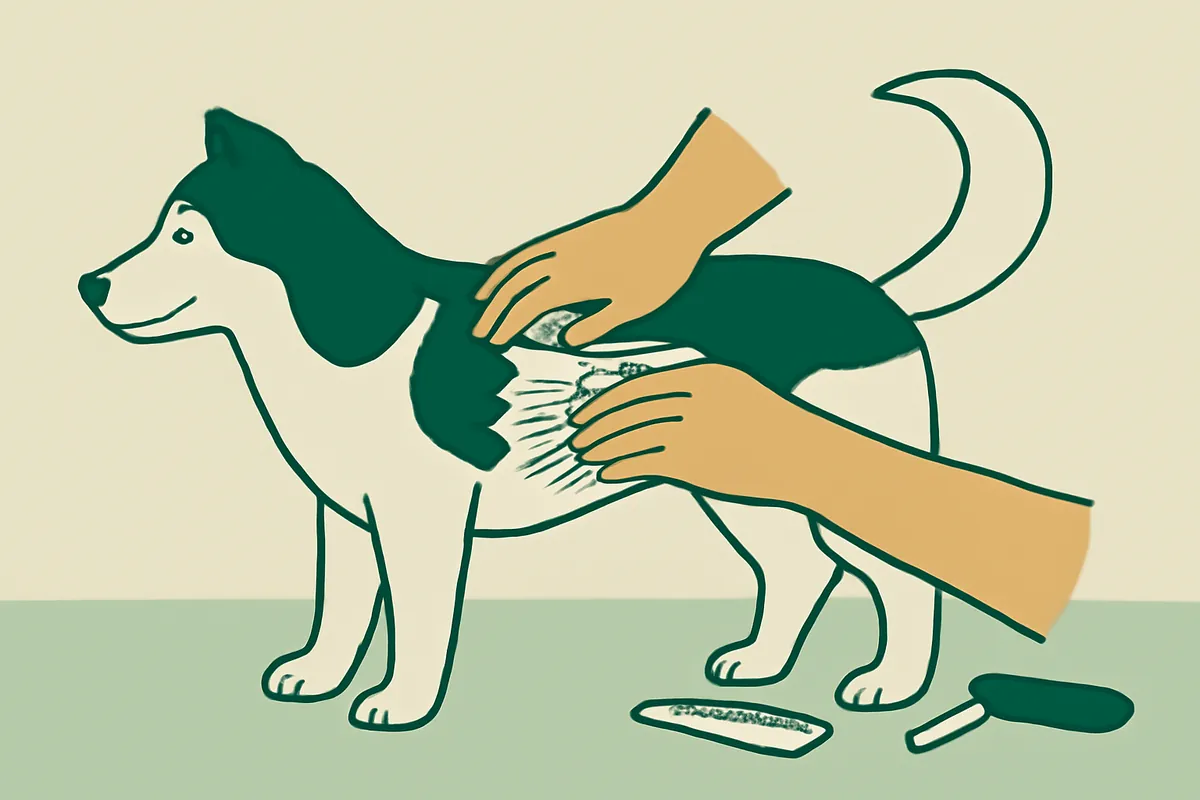
- Hold the hair at the base, between the tangle and the skin, so you pull against your fingers and not the dog's skin.
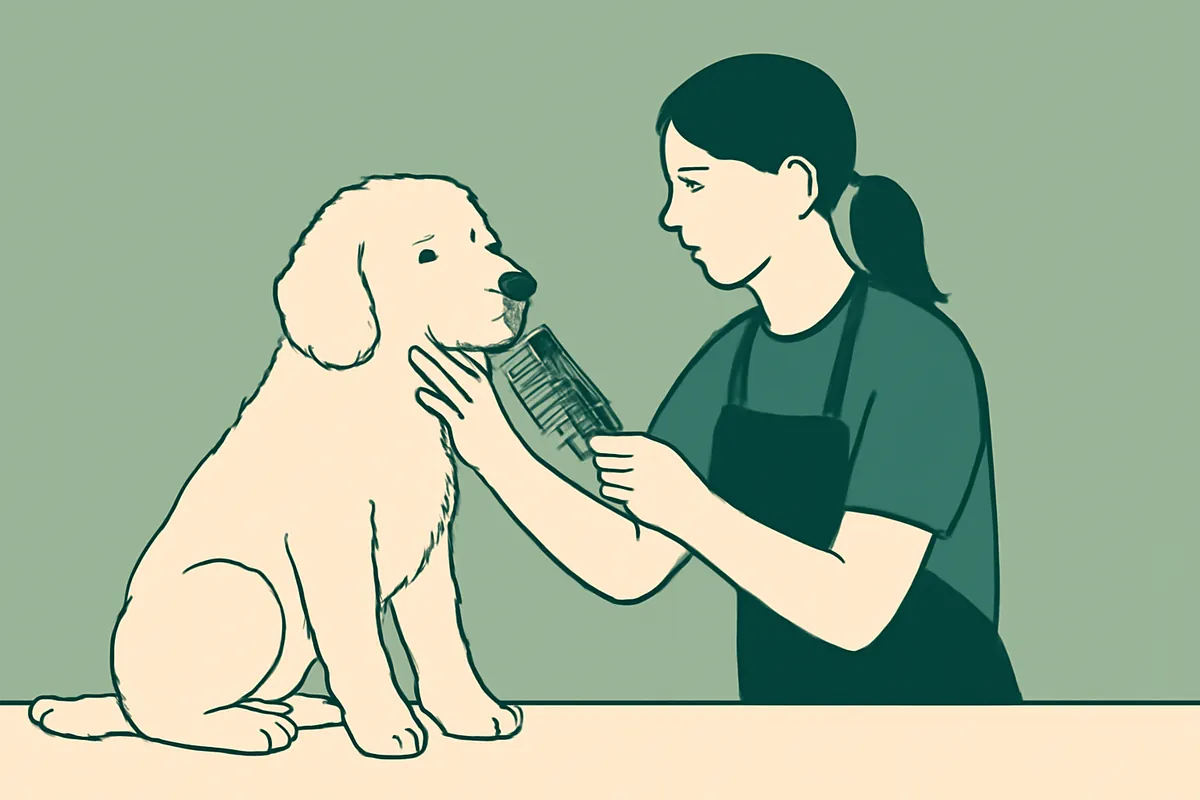
- Start at the edge of the tangle and work inwards with a slicker brush or a de-matting comb, in short, gentle strokes.
- Use a detangling spray or conditioner where appropriate.
- Check with a comb that you can pass through to the skin.
- Stop if the dog shows distress. Tangles are not worth a frightened dog.
When to shave instead
When mats are tight to the skin, extensive, or the dog is in discomfort, brushing them out would mean prolonged pulling on the skin. Most professional groomers follow a simple principle: humanity before vanity. The kind option is a short clip and a fresh start.
A shave-down is usually the right choice when:
- The comb cannot pass through to the skin over large areas.
- Mats are tight against the skin, forming a solid pelt.
- The dog is showing pain or stress during brushing.
- The skin under the mats may be damaged.
How to clip out a matted coat safely
- Use a short blade and work under the mat, keeping the blade flat against the skin. Never scissor out mats close to the skin; that is how dogs get cut.
- Stretch the skin flat in loose areas such as armpits, groin and behind the ears, where skin folds easily into the blade.
- Check blade temperature often. Blades heat up quickly when working through dense coat. Swap blades or use a coolant spray.
- Take breaks. A long shave-down is tiring for any dog.
- Clip before bathing, since water tightens mats.
What you may find underneath
Mats hide problems. Once the coat is off, check for:
- Red, irritated or broken skin.
- Sores, hot spots or bruising.
- Parasites.
- Grass seeds or other foreign bodies.
- Moisture or a smell trapped under the pelt.
Record what you find with the date, tell the owner plainly, and suggest a vet visit for anything more than mild irritation. Do not try to diagnose. Some skin redness is normal immediately after clipping out a matted coat, and owners should be warned about that in advance.
Talking to the owner
This conversation matters more than the clipping.
- Show them. Run a comb into the coat near the skin so they can see and feel the matting.
- Explain the welfare reason without blame: brushing out would hurt the dog for hours.
- Set expectations: the dog will look very different, the skin may be pink, and the coat will grow back.
- Get agreement before you start, ideally in writing. Many salons have a matting release form.
- Agree a plan: a shorter, easier style, a demonstration of brushing to the skin, and a shorter interval between visits.
Owners are more likely to come back when they feel you protected their dog and helped them, not judged them.
Preventing mats
- Recommend the right tools: a slicker brush and a metal comb for most curly and long coats.
- Show owners how to line-brush to the skin, section by section.
- Suggest a style that fits the time they actually have.
- Book the next appointment before they leave, usually four to eight weeks for curly coats.
De-matting and coat maintenance is one of the topics in the Professional Dog Groomer curriculum, and our free sample groomer questions include a matted-coat scenario with a model answer. For more on coats, see dog coat types explained.
Written by the PetCred Editorial Team and checked against the published curriculum for this program. Laws and requirements change and differ by place: check local rules before relying on anything legal or regulatory here.
More dog grooming guides
How to Become a Certified Dog Groomer: A Practical Guide
The skills a dog groomer needs, how to train through a school, apprenticeship or salon, which certification to choose and how to start working safely.
25 September 2026

Do You Need a License to Be a Dog Groomer? Rules in the US, UK, Canada and Australia
Dog grooming is mostly unlicensed, but not unregulated. What the law asks of groomers in four countries, what clients look for and why training still matters.
25 September 2026
Dog Grooming School, Apprenticeship or Certification: Which Route Is Right for You?
Grooming schools, salon apprenticeships, online courses and certifications compared: what each teaches, what each proves and how to combine them.
25 September 2026
Dog Coat Types Explained: A Groomer's Guide
Double, single, curly, wire and hairless coats: how each grows, how to bathe, dry and brush it, and the common mistakes that damage coats and skin.
25 September 2026