How to Become a Responsible Dog Breeder: A Practical Guide
What responsible dog breeding involves: breed knowledge, health testing, mentors, breed clubs, planning a litter, raising puppies and choosing good homes.
PetCred Editorial Team · Updated 10 August 2026 · 9 min read
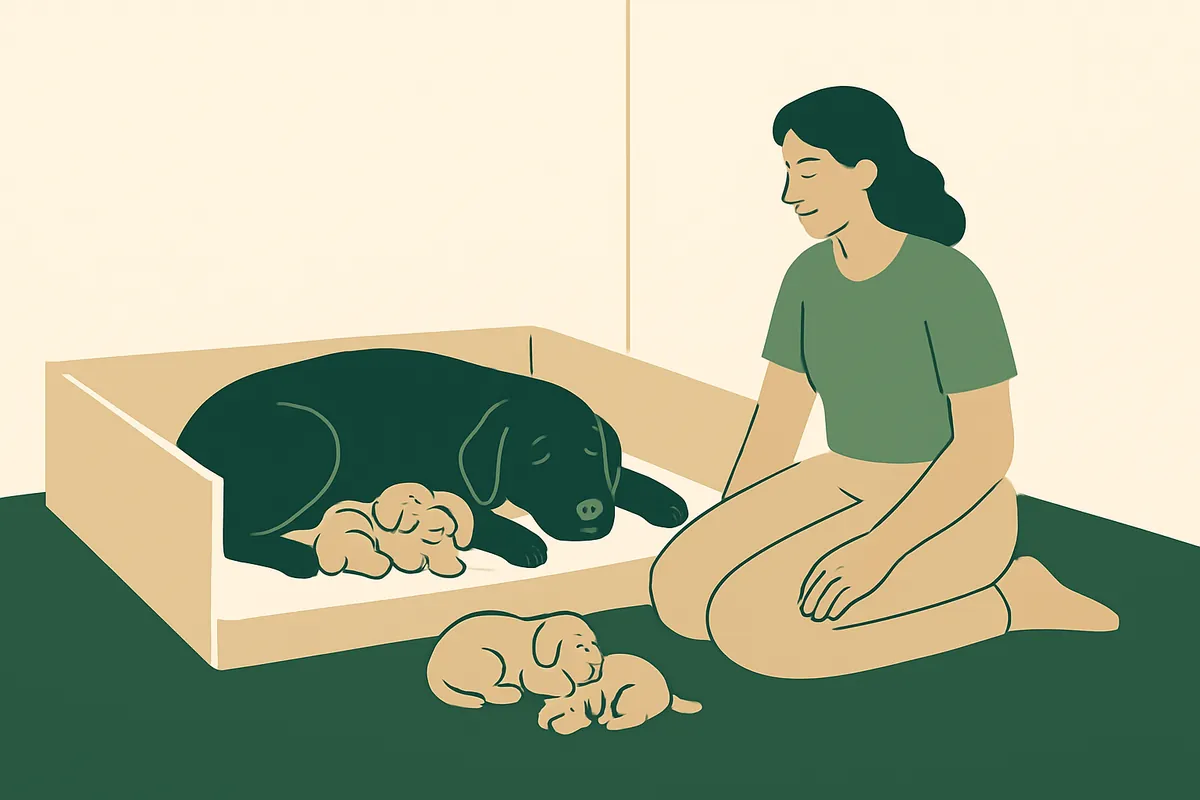
Becoming a responsible dog breeder is less about producing puppies and more about everything around them: choosing the right dogs to breed from, health testing, knowing your breed's history and temperament, raising a litter well, choosing homes carefully and standing behind every puppy for its whole life. Anyone can let two dogs mate. What separates a responsible breeder from the rest is knowledge, planning and the willingness to decide not to breed when the answer should be no.
This guide is for people who want to breed dogs well, whether that means one carefully planned litter every few years or a small, established breeding program. It covers what responsible breeding means, the knowledge you need, how to get started with a mentor and a breed club, the health and legal side, and how to raise and place a litter. It does not cover commercial volume breeding.
Health and law sections here are general guidance. Your vet, your breed club and your local authority are the people to check with before you breed.
What responsible breeding means
Most breed clubs publish a code of ethics, and although the details differ, they tend to share the same core ideas. A responsible breeder:
- Breeds to improve the breed, or at least to preserve its health, temperament and purpose, not only to produce puppies to sell.
- Breeds only from adult dogs that are healthy, of sound temperament and have been health tested for the conditions that matter in the breed.
- Plans each litter carefully, including the health and welfare of the mother.
- Raises puppies in a clean, stimulating home environment with plenty of handling and socialization.
- Screens buyers, is honest about the breed, and matches puppies to homes.
- Provides a written contract and support for the dog's life, and takes a dog back, or helps rehome it, if the owner can no longer keep it.
- Follows the law and keeps accurate records.
If that sounds like more work than income, that is the point. Once health testing, stud fees, vet care, food and your time are counted, a carefully raised litter usually costs far more than new breeders expect.
The knowledge you need
The breed standard and the breed's history
Every recognized breed has a standard, a written description of its ideal appearance, movement and temperament, and a history of what it was bred to do. Understanding why a breed looks and behaves as it does helps you judge dogs, explain the breed to buyers and avoid exaggerations that harm health. Read the standard of the kennel club in your country, and read about the breed's original function.
Genetics and inheritance
You do not need to be a geneticist, but you need to understand the basics: dominant and recessive inheritance, what it means for a dog to be a carrier, why some conditions are influenced by many genes and by the environment, and how inbreeding affects a line. These ideas decide which dogs you pair and how you use health test results.
Hereditary health conditions and screening
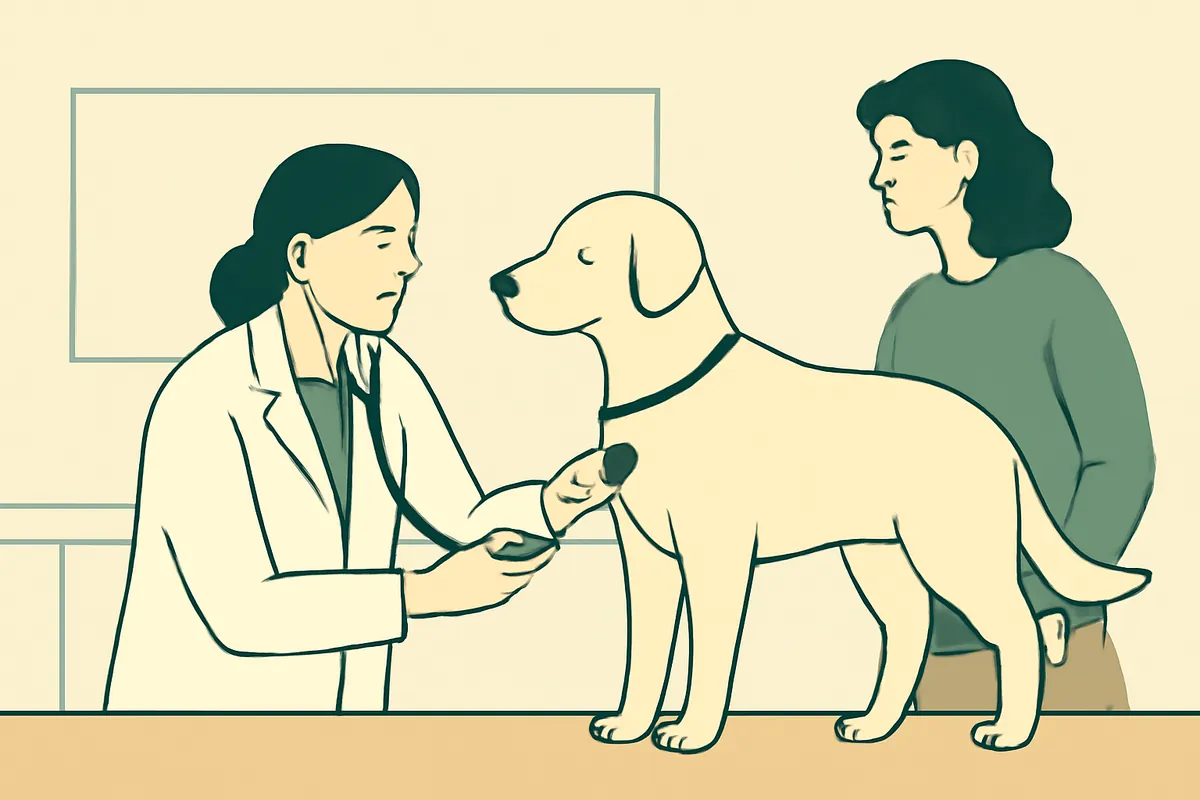
Each breed has its own list of known health problems, such as hip and elbow dysplasia, inherited eye diseases, heart conditions or conditions for which DNA tests exist. Breed clubs and kennel clubs usually recommend specific tests for each breed. We explain the main types of test and how to use the results in health testing before breeding.
Temperament and drive
A healthy dog with a poor temperament is not a good breeding prospect. Know what temperament your breed should have, and be honest about the dogs you own. A nervous or reactive dog passes on more than its coat color.
Whelping, neonatal and early puppy care
You need to know how to prepare for a whelping, what normal labor looks like, when to call the vet, how to care for newborn puppies and their mother, and how puppies develop in their first weeks. The vet is part of the plan from the start, not a last resort.
Matching puppies to homes
Understanding the breed's needs and the reality of living with it lets you give buyers honest advice and choose the right puppy for each family.
How to get started
- Learn one breed deeply. Live with it, read about it, go to shows or working events, and talk to experienced breeders. Most responsible breeders focus on one breed, or two at most.
- Join a breed club. Breed clubs are where you meet experienced breeders, learn about health issues and testing schemes, and find the club's code of ethics.
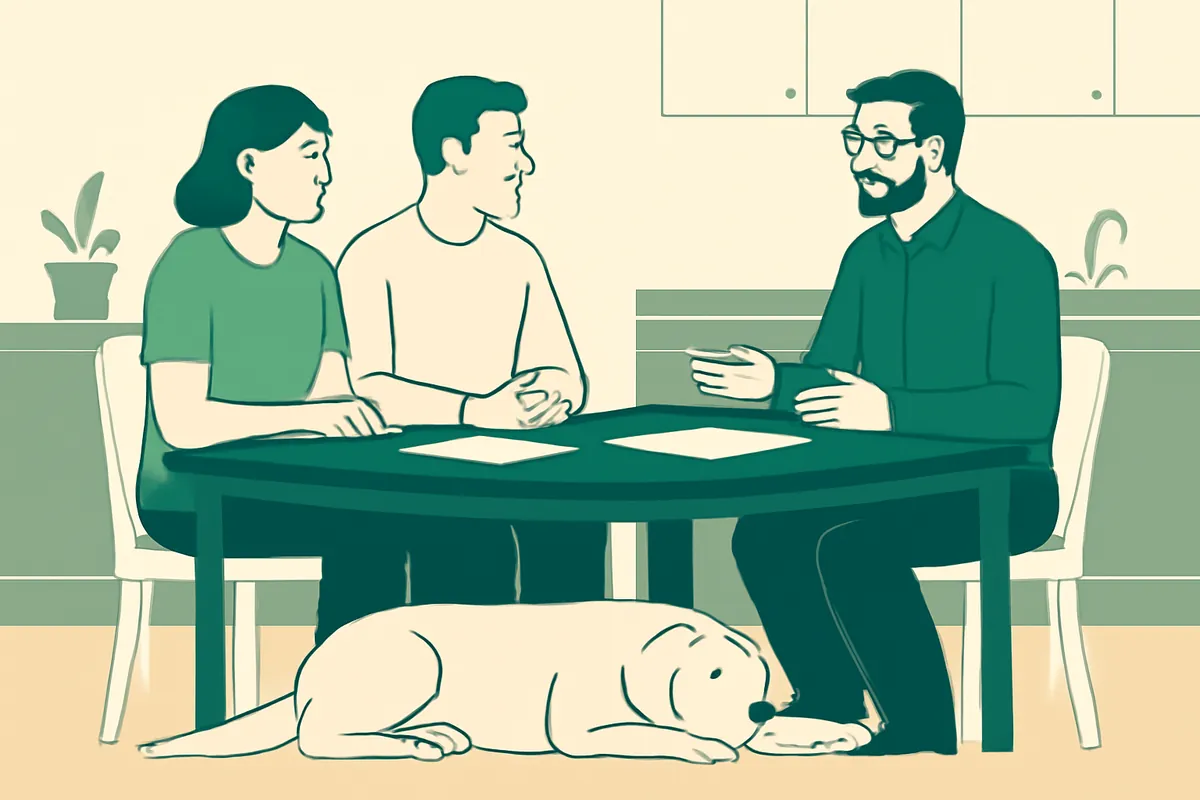
- Find a mentor. An experienced breeder in your breed who is willing to guide you through choosing a dog, planning a litter and whelping it is invaluable. Many successful breeders started this way.
- Buy the best foundation dog you can. Buy from a breeder who health tests, and be open about your plans. Some breeders sell puppies with breeding restrictions that can be lifted once the dog is mature and has passed its health tests.
- Wait until the dog is an adult. Health tests for some conditions can only be done once a dog has reached a certain age, and temperament is only clear in an adult.
- Learn the law where you live. Some places require a license or registration to breed or sell puppies. See dog breeding licenses in the US, UK, Canada and Australia.
Deciding whether to breed a dog at all
Deciding not to breed a particular dog is part of the job. Common reasons to say no:
- The dog did not pass the health tests recommended for the breed, or has a condition that could be inherited.
- Its temperament is not sound.
- It is too young, or a female is too old or has had too many litters.
- No suitable partner is available, for example one whose health results and pedigree complement it.
- You do not have waiting homes, the time to raise a litter, or the money to cover a problem such as a cesarean section.
A good question to ask before each litter is: what will these puppies add to the breed, and who will they go to?
Planning a litter
Planning starts months before any mating. You will need to:
- Confirm health test results for both parents and check their pedigrees, including how closely related they are.
- Have the female examined by your vet before breeding.
- Agree terms in writing with the stud dog's owner.
- Prepare a clean, warm, quiet whelping area and have your vet's contact details and an out-of-hours emergency clinic ready.
- Plan your time. The first weeks after birth need someone present much of the day and night.
- Start building a list of suitable homes.
A litter at a glance
Seeing the whole timeline in one place helps new breeders understand how much of their life a litter takes.
| Stage | Roughly when | What the breeder is doing |
|---|---|---|
| Preparation | Months before mating | Health tests, pedigree research, choosing a stud, vet check, finding homes |
| Pregnancy | About nine weeks | Vet care for the mother as advised, preparing the whelping area, confirming emergency plans |
| Birth and first weeks | Birth to about three weeks | Near-constant supervision, keeping puppies warm, daily weighing, watching mother and puppies for problems |
| Weaning and socialization | About three to eight weeks | Introducing solid food, handling, new experiences, visitors, vet checks |
| Going home | Not before eight weeks, and later in some breeds | Meeting buyers, contracts, paperwork, puppy packs |
| Lifelong support | The dog's whole life | Answering questions, following up, taking a dog back if needed |
Each stage needs you there. Many breeders take time off work around the birth and the first weeks, and plan the litter for a season when they can.
Raising and socializing the litter
What puppies experience in their first weeks shapes the dogs they become. Responsible breeders raise puppies in the home or in a similar environment, handle them daily, introduce new sounds, surfaces and people gradually, and begin the work that makes a puppy easy to live with. Puppies should not leave their mother and litter too early; in England, for example, it is illegal for a licensed breeder to sell a puppy under eight weeks old. We cover the stages in detail in raising and socializing a litter.
Choosing homes and selling responsibly
Your responsibility does not end when a puppy leaves. Before a puppy goes:
- Screen buyers. Talk to them in person, ask about their home, work, experience and expectations, and be honest when the breed is not right for them.
- Let buyers meet the mother. Seeing the mother with her puppies is one of the best reassurances a buyer can have, and in some places, such as England, the law requires puppies to be shown with their mother.
- Provide a written contract. Cover health guarantees, what happens if the owner cannot keep the dog, and any breeding or registration restrictions.
- Hand over complete paperwork. Health test results for the parents, vet records for the puppy, microchip details, registration documents where they apply, and feeding and care instructions.
- Offer lifelong support. Many buyers will contact you for advice for years. Be available.
Keeping records
Accurate records are part of responsible breeding and, in some places, a legal requirement. Keep:
- Health test results and certificates for every dog you breed from.
- Details of every mating, pregnancy and whelping.
- Puppy weights, health checks, vet visits and vaccinations.
- Buyer details, contracts and follow-up.
- Microchip and registration details.
Common mistakes new breeders make
- Breeding the family pet because it is lovely. A lovely dog is not automatically a good breeding prospect.
- Skipping health tests because the dog seems healthy. Many inherited conditions show no signs until later, or only appear in the puppies.
- Underestimating the time. A litter takes over your life for months.
- Selling to the first person who asks. Careful matching prevents dogs from being given up later.
- Not planning for things going wrong. Whelping emergencies happen, and a cesarean section or intensive care for a sick puppy can be expensive.
- Going it alone. A mentor and a breed club prevent many mistakes.
Common questions
Do you need a license to breed dogs? It depends on where you live and how many litters you breed. Some places license breeders above a certain number of litters or when breeding is run as a business; others require registration. Check with your local authority.
Can you make money breeding dogs? Some breeders do, many break even, and some lose money, especially when things go wrong. Responsible breeders plan for the welfare of the dogs first. We would rather not quote figures: costs and prices vary too much by breed and place.
Is a certificate required to be a breeder? Generally no. Breeding knowledge is shown through health testing, breed club membership, following a code of ethics and, increasingly, through credentials that show what a breeder knows.
Where to start today
If you are thinking of breeding, a good first month is: read your breed's standard and health information from your kennel club and breed club, go to a breed club event and introduce yourself, ask an experienced breeder whether they would mentor you, and find out what the law requires where you live.
When you want to check your knowledge of breed standards, genetics, health screening, whelping and buyer education, try our free sample breed professional questions. They use the same format as the Breed Professional assessment, with model answers so you can compare your thinking.
Frequently asked questions
How do I start breeding dogs responsibly?
Learn one breed in depth, join its breed club, and find an experienced breeder willing to mentor you. Start with a well-bred, health-tested dog, wait until it is an adult and has passed the tests recommended for the breed, and check the law where you live before planning a litter.
What health tests should a dog have before breeding?
It depends on the breed. Common examples are hip and elbow screening, eye examinations by a veterinary ophthalmologist, heart testing and DNA tests for single-gene conditions. Your breed club and national kennel club publish the tests recommended for your breed.
What makes a dog breeder responsible rather than a backyard breeder?
Responsible breeders plan each litter to protect the breed's health and temperament, health test the parents, raise puppies with care, screen buyers, give written contracts and take dogs back for life. Breeding without testing, planning or support for buyers is what most people mean by backyard breeding.
Written by the PetCred Editorial Team and checked against the published curriculum for this program. Laws and requirements change and differ by place: check local rules before relying on anything legal or regulatory here.
Free course
Responsible Dog Breeding Fundamentals: A Free 5-Lesson Course
Five short lessons, a quick check after each, no sign-up. Start now →
More responsible breeding guides
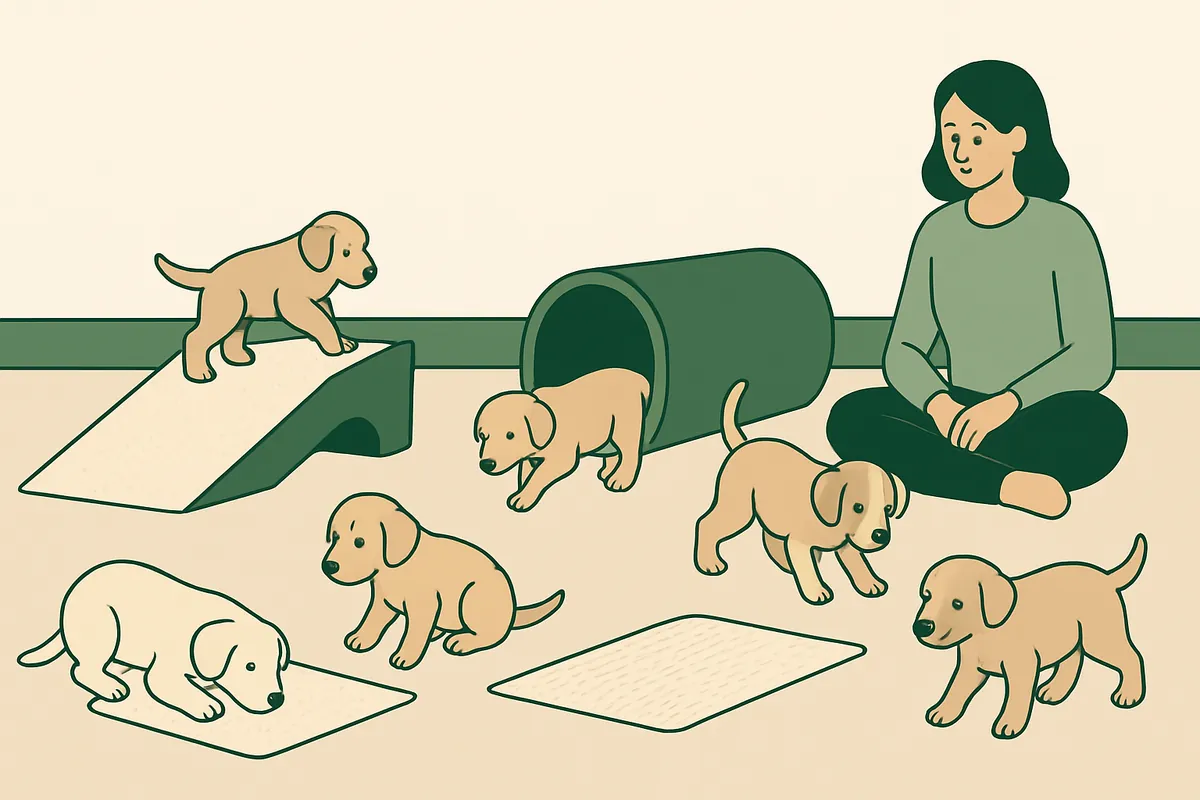
Raising and Socializing a Litter: A Breeder's Week-by-Week Guide
How to raise and socialize a litter from birth to going home: the stages of puppy development, what to introduce and when, weaning, and when to call your vet.
14 September 2026
Dog Breeding Licenses in the US, UK, Canada and Australia
When you need a dog breeding license or registration in the US, UK, Canada and Australia, what inspections look at, and a checklist for your first litter.
2 September 2026
Health Testing Before Breeding: A Breeder's Guide
The main health tests for breeding dogs (hips, elbows, eyes, heart and DNA), how to find the tests your breed needs and how to use the results to plan pairings.
21 August 2026