Do You Need a License to Be a Dog Groomer? Rules in the US, UK, Canada and Australia
Dog grooming is mostly unlicensed, but not unregulated. What the law asks of groomers in four countries, what clients look for and why training still matters.
PetCred Editorial Team · Updated 25 September 2026 · 3 min read
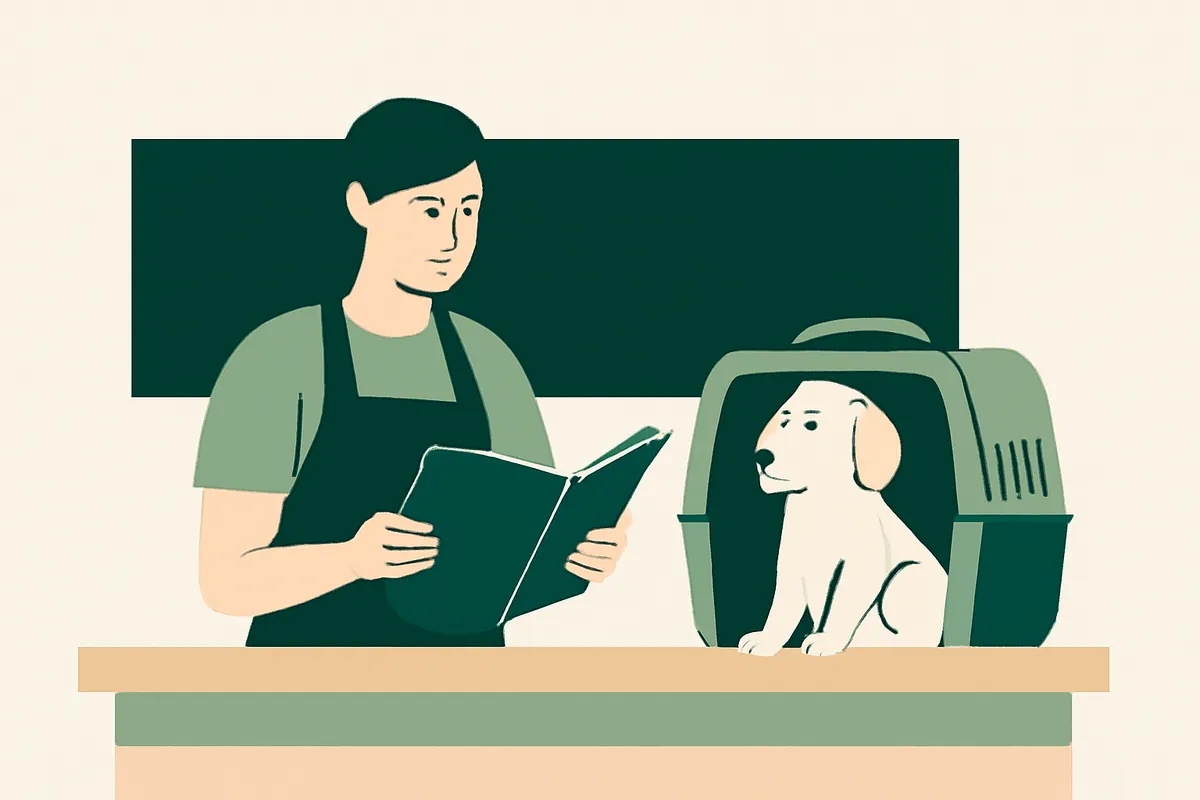
Short answer: in most places, no. Dog grooming is generally not a licensed profession in the United States, the United Kingdom, Canada or Australia, and you can legally groom dogs for money without a qualification.
That does not mean groomers work outside the law. Animal welfare law applies to anyone looking after a dog, business and premises rules apply to every salon, and related services such as boarding or day care can need their own licence. And because anyone can open a salon, clients increasingly look for evidence of training before they hand over their dog.
Laws change and vary by state, province and council. Use this as a starting point and check with your local authority before you open.
United States
At the time of writing, US states generally do not license dog groomers. Some state legislatures have considered licensing or registration bills, often after injuries or deaths of dogs in salons, so it is worth checking whether anything has changed where you work.
What usually applies:
- Business licence or registration from your city, county or state.
- Zoning permission for a salon at home or in a particular building.
- Kennel or boarding permits if you keep dogs overnight or offer day care.
- Wastewater and drainage rules, especially for mobile grooming vans. Washing water generally must not go into storm drains.
- Animal cruelty laws, which apply to anyone handling an animal.
United Kingdom
There is no licence to groom dogs in any part of the UK, and grooming on its own is not one of the activities licensed under the Animal Welfare (Licensing of Activities Involving Animals) (England) Regulations 2018.
What does apply:
- The Animal Welfare Act 2006, and its equivalents in Scotland and Northern Ireland. It places a duty of care on anyone responsible for an animal, including temporarily. A dog on your table is your responsibility.
- Licensing for related activities. If you also offer boarding, home boarding or day care, you are likely to need a licence from your local council.
- Health and safety at work law, including assessing risks from grooming products and chemicals if you employ staff.
- Planning permission may be needed to run a salon from home, depending on scale.
Canada
Dog grooming is not a regulated profession in Canada, and no qualification is required. Rules that do apply are mainly local: business licensing, zoning for home salons, and permits for boarding or day care. Provincial animal welfare laws apply to everyone caring for animals.
Australia
Grooming is largely unregulated in Australia, and there is no national groomer licence.
Points to check with your council and state:
- Home-based business rules, including limits on client visits, noise and signage.
- Wastewater disposal for salons and mobile vans.
- Animal welfare legislation in your state or territory, which applies to anyone caring for an animal.
- Boarding or day care rules, if you offer those services, which some states regulate as animal businesses.
Why training matters anyway
Because clients cannot see what you know. An owner choosing a groomer online has photos, reviews and not much else. A named credential they can check is one of the few ways to show that you understand coat and skin care, handle dogs safely and know when to refer to a vet.
Training and certification also help you:
- Prevent injuries. Most serious grooming incidents involve heat, restraint or sharp tools, and all are preventable with knowledge and routines. See dog grooming safety.
- Get insured, since some insurers ask about training when pricing a policy.
- Get hired, as many salons and pet businesses prefer or require formal training.
- Charge fairly. Clients accept professional prices more readily from someone who can show professional standards.
A checklist before you open
- Register your business and check whether a local business licence is needed.
- Check zoning or planning rules if you will groom at home or in a new premises.
- If you will board dogs or offer day care, find out which licence applies.
- Plan your wastewater disposal, especially for a mobile van.
- Take out public liability insurance, and consider cover for animals in your care.
- Write clear policies: pricing by coat condition, matting, health problems and cancellations.
- Decide how you will show clients your training, and describe any credential accurately.
For the full route into the profession, see how to become a certified dog groomer. To test your knowledge before choosing a credential, try the free sample dog groomer questions.
Frequently asked questions
Is dog grooming a regulated profession?
Generally not as a profession. In most places there is no groomer licence, but groomers are covered by animal welfare law, business and premises rules, and in some cases licences for related activities such as boarding or day care.
Do I need insurance to groom dogs?
It is rarely a legal requirement, but professional groomers almost always carry public liability insurance, and many also insure the animals in their care. Some insurers ask about your training when pricing a policy.
Written by the PetCred Editorial Team and checked against the published curriculum for this program. Laws and requirements change and differ by place: check local rules before relying on anything legal or regulatory here.
More dog grooming guides
How to Become a Certified Dog Groomer: A Practical Guide
The skills a dog groomer needs, how to train through a school, apprenticeship or salon, which certification to choose and how to start working safely.
25 September 2026
Dog Grooming School, Apprenticeship or Certification: Which Route Is Right for You?
Grooming schools, salon apprenticeships, online courses and certifications compared: what each teaches, what each proves and how to combine them.
25 September 2026
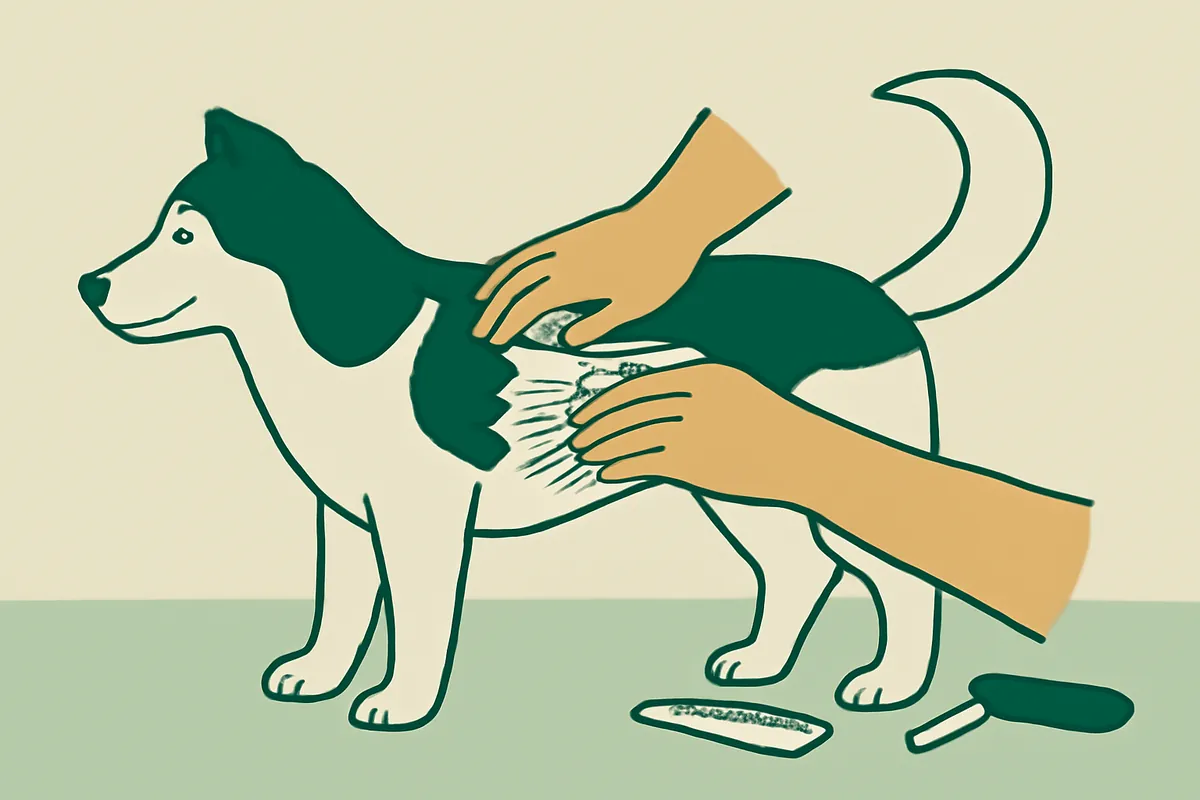
Dog Coat Types Explained: A Groomer's Guide
Double, single, curly, wire and hairless coats: how each grows, how to bathe, dry and brush it, and the common mistakes that damage coats and skin.
25 September 2026
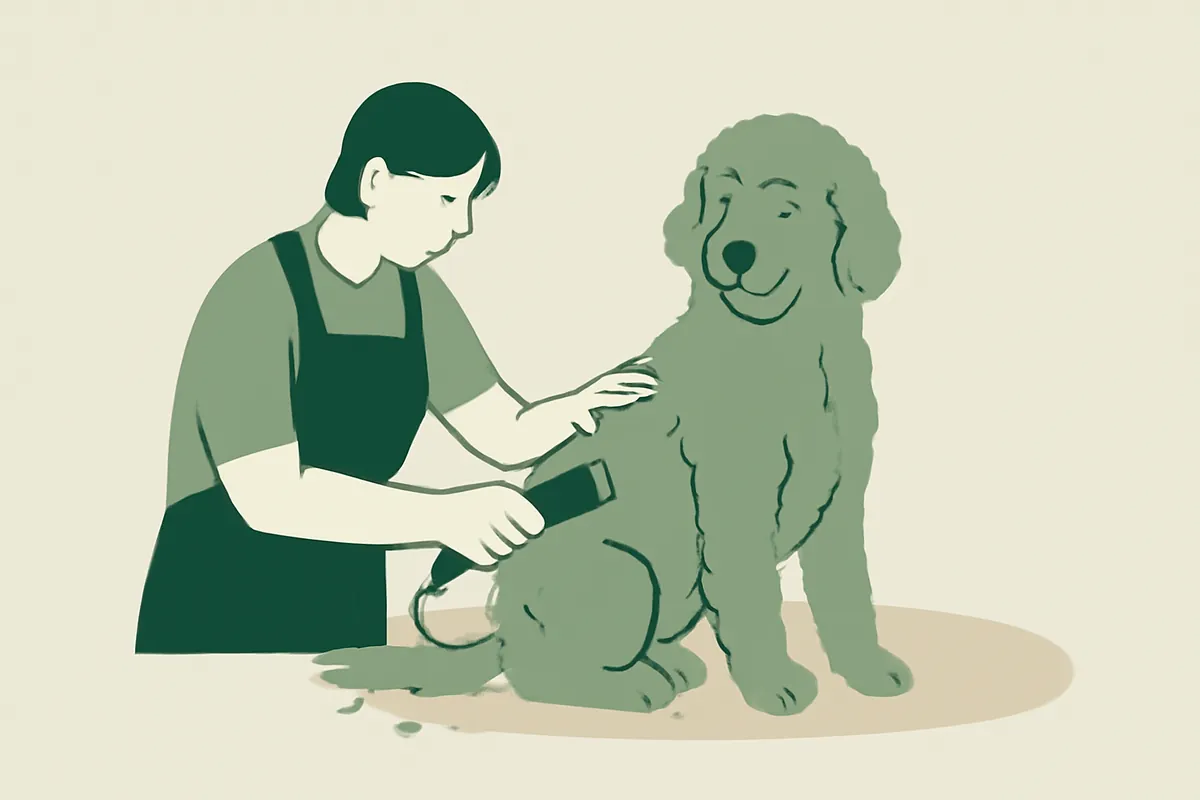
How to De-Matt a Dog Safely, and When to Shave Instead
Why mats form, how to remove light tangles without pain, when a shave-down is the humane choice and how to talk to owners about matted dogs.
25 September 2026