Do You Need a Certification to Be a Dog Trainer? Rules in the US, UK, Canada and Australia
Dog training is largely unregulated, but that is not the whole story. What the law requires in four countries, what clients expect and when certification matters.
PetCred Editorial Team · Updated 24 September 2026 · 4 min read

Short answer: in most places, no. Dog training is generally not a licensed profession in the United States, the United Kingdom, Canada or Australia, and you can legally work as a trainer without any qualification.
The longer answer is more useful. Rules often apply to things trainers commonly do alongside training, such as boarding dogs, running a business from home or using certain equipment. And the absence of a legal requirement is exactly why many clients, vets and employers look for a certification instead.
This article sets out the position in four countries, then explains when a certification is worth having even though the law does not ask for one.
Laws change and vary by state, province and council. Treat this as a starting point and check with your local authority before you set up.

United States
There is no federal licence for dog trainers, and states generally do not license them either. You can call yourself a dog trainer and take paying clients without a qualification.
What you may still need:
- A business licence or registration from your city or county, like any other small business.
- Kennel or boarding permits if you keep dogs overnight, for example in "board and train" programs. These rules are set locally and differ widely.
- Zoning permission if clients come to your home or you run classes on your property.
Trainers who work with service dogs sometimes assume there must be an official licence for that work. There is not. The Americans with Disabilities Act does not require service dogs to be professionally trained or certified, and online "service dog registries" are not official. This is one reason reputable service dog trainers rely on their own credentials and track record.
United Kingdom
There is no legal requirement to hold a qualification to train dogs in any part of the UK.
Related rules that catch trainers out:
- Animal activity licensing. In England, the Animal Welfare (Licensing of Activities Involving Animals) Regulations 2018 require a licence from the local council for activities including boarding cats or dogs, home boarding and dog day care. A training business that keeps dogs overnight or offers day care is likely to need one. Scotland and Wales have their own licensing schemes.
- Electronic collars. The use of electric shock collars on dogs is banned in Wales and, since February 2024, in England. Scotland has issued guidance against their use. Reward-based trainers do not use them anyway, but it is worth knowing if you take over a dog from another trainer.
- Voluntary registers. Bodies such as the Animal Behaviour and Training Council maintain registers of trainers and behaviorists who meet set standards. Joining is voluntary, but some vets and insurers look for it.
Canada
Dog training is not a regulated profession in Canada at the federal or provincial level, and no qualification is required to offer training services.
As in the US, the rules that do apply are usually local: business licensing, zoning, and kennel or boarding permits set by your municipality or province. If you plan to board dogs or run a facility, contact your municipality early.
Australia
Dog training is largely unregulated in Australia, though the details depend on the state or territory.
Points to check:
- Victoria treats dog training establishments as domestic animal businesses. They must register with the local council and follow a code of practice for their operation.
- Electronic collars are prohibited or tightly restricted in several states and territories, including New South Wales and South Australia.
- Council rules on businesses operating from home, noise and numbers of dogs on a property apply everywhere.
Can you call yourself "certified"?
Because there is no single official certification, the word "certified" only means something if you say who certified you. Claiming a qualification you do not hold, or implying an official status that does not exist, can breach consumer protection law in all four countries.
A good rule: name the credential and the body that issued it, and link to where a client can check it. That is also more persuasive than the word on its own.
If it is not required, why get certified?
Because clients cannot see what you know. An owner choosing between two trainers they found online has very little to go on, and a credential is one of the few signals they can check.
Certification also helps you:
- Win referrals from vets, rescues and groomers, who are cautious about who they recommend.
- Get insured, since some insurers ask about qualifications when they price a policy.
- Find work with training schools, shelters and pet businesses that list a credential as a requirement.
- Know where your gaps are. Preparing for a structured assessment shows you which topics you have skipped.
What a certification cannot do is replace experience. The best combination is a credential that shows what you know alongside a record of the dogs and owners you have worked with. Our guide to dog trainer certifications compared explains what each type proves, and how to become a certified dog trainer covers the whole route.
A checklist before you start trading
- Check whether you need a business licence or registration where you live.
- If you will board dogs, offer day care or train on your own premises, ask your council or municipality which permits apply.
- Take out public liability insurance, even if it is not required.
- Decide which credential you will work towards, and describe it accurately on your website.
- Write clear terms: prices, cancellations, what you do not take on and when you refer to a vet or specialist.
If you want to test your knowledge before choosing a credential, try the free sample dog trainer questions. No account is needed.
Frequently asked questions
Is dog training a regulated profession?
Generally not. In the US, UK, Canada and Australia there is usually no licence you must hold to call yourself a dog trainer. Rules do apply to related activities such as boarding, day care and some training equipment, and they vary by state, province or council.
Do I need insurance to work as a dog trainer?
It is rarely required by law, but most professional trainers carry public liability insurance, and many venues, rescues and employers will not work with a trainer who does not. Some insurers ask about your qualifications when pricing a policy.
Written by the PetCred Editorial Team and checked against the published curriculum for this program. Laws and requirements change and differ by place: check local rules before relying on anything legal or regulatory here.
More dog training guides

How to Become a Certified Dog Trainer: A Practical Guide
What a dog trainer actually needs to know, how to get hands-on experience, which certification to choose and how to find your first clients, step by step.
24 September 2026

Dog Trainer Certifications Compared: Exams, Courses and What Each One Proves
Exam-based credentials, academy programs, association membership and online assessments: how the main kinds of dog trainer certification differ and how to choose.
24 September 2026
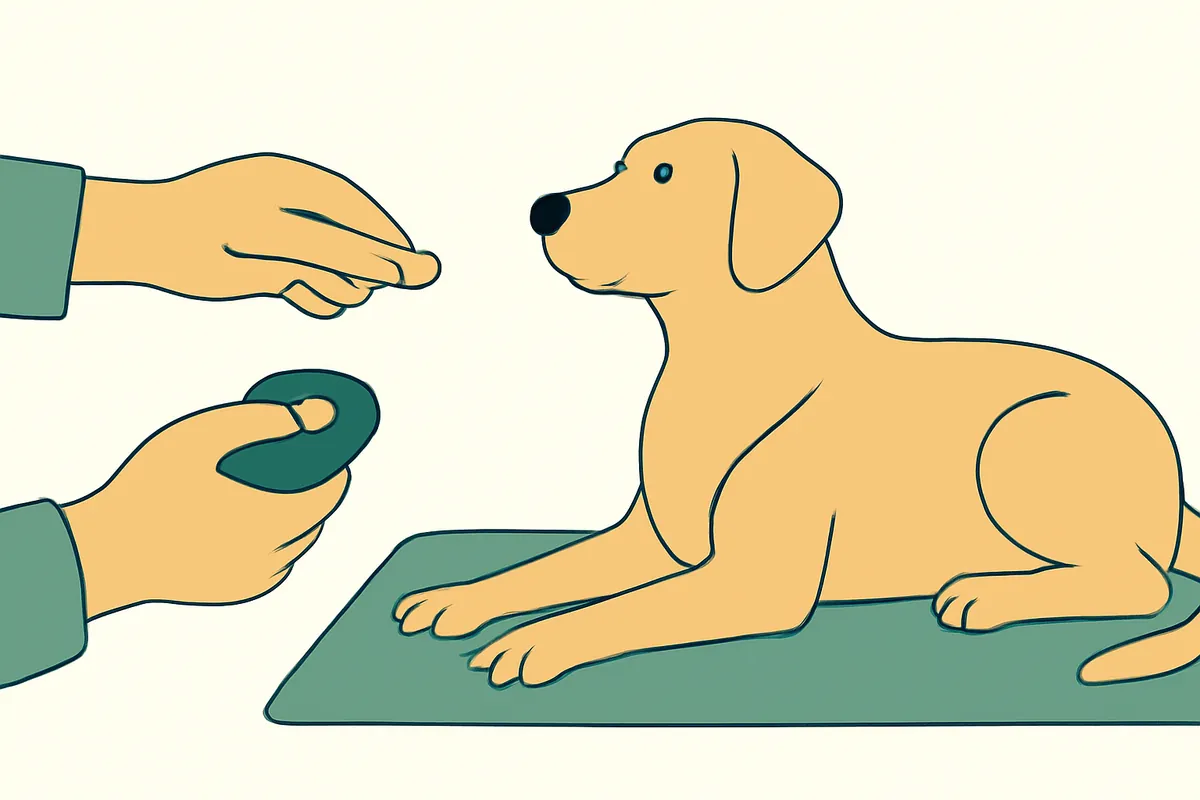
Positive Reinforcement Dog Training, Explained for New Trainers
The learning science every dog trainer needs: reinforcement and punishment, markers, timing, reinforcement schedules and why reward-based training is the modern standard.
24 September 2026
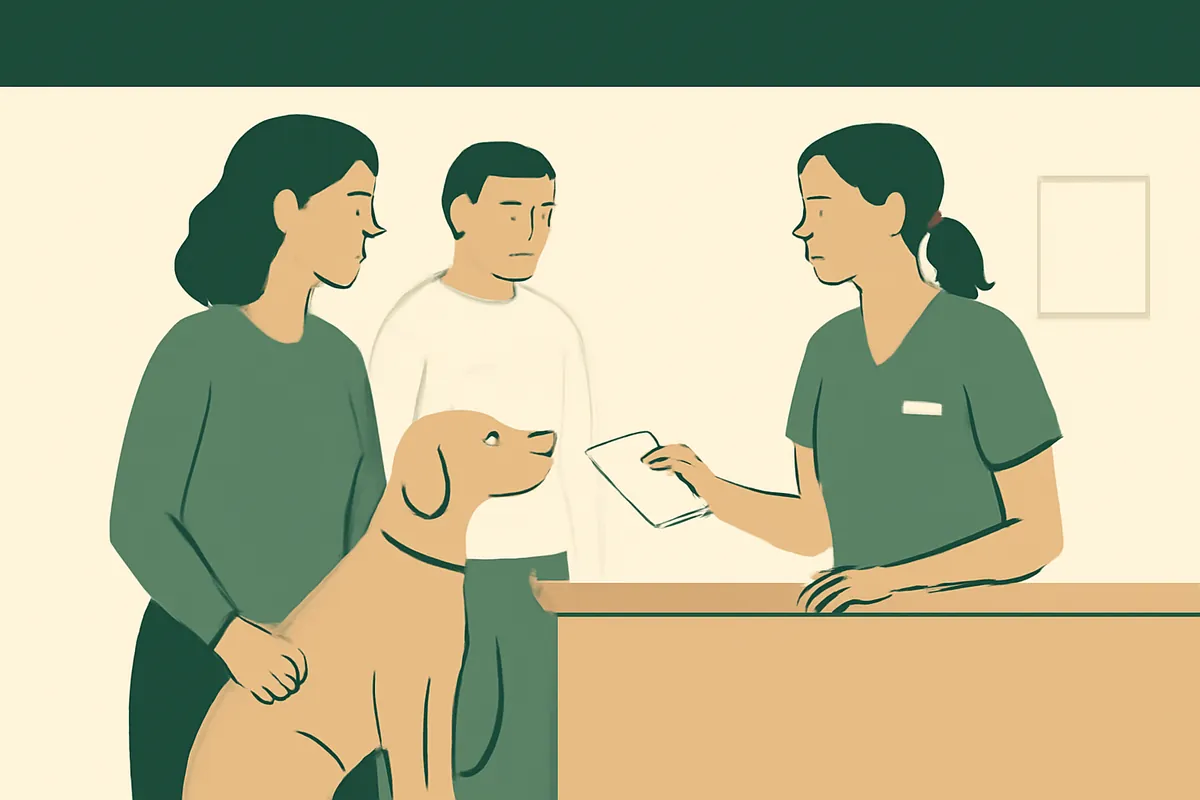
How to Get Your First Dog Training Clients
Practical ways a new dog trainer finds clients: local partnerships, a simple website, reviews, group classes and packages that keep owners coming back.
24 September 2026