How to Start a Career in Horse Care and Consulting
The jobs, knowledge, experience and qualifications behind a career in horse care, where your role stops and a vet's begins, and how to set up as a consultant.
PetCred Editorial Team · Updated 11 August 2026 · 9 min read
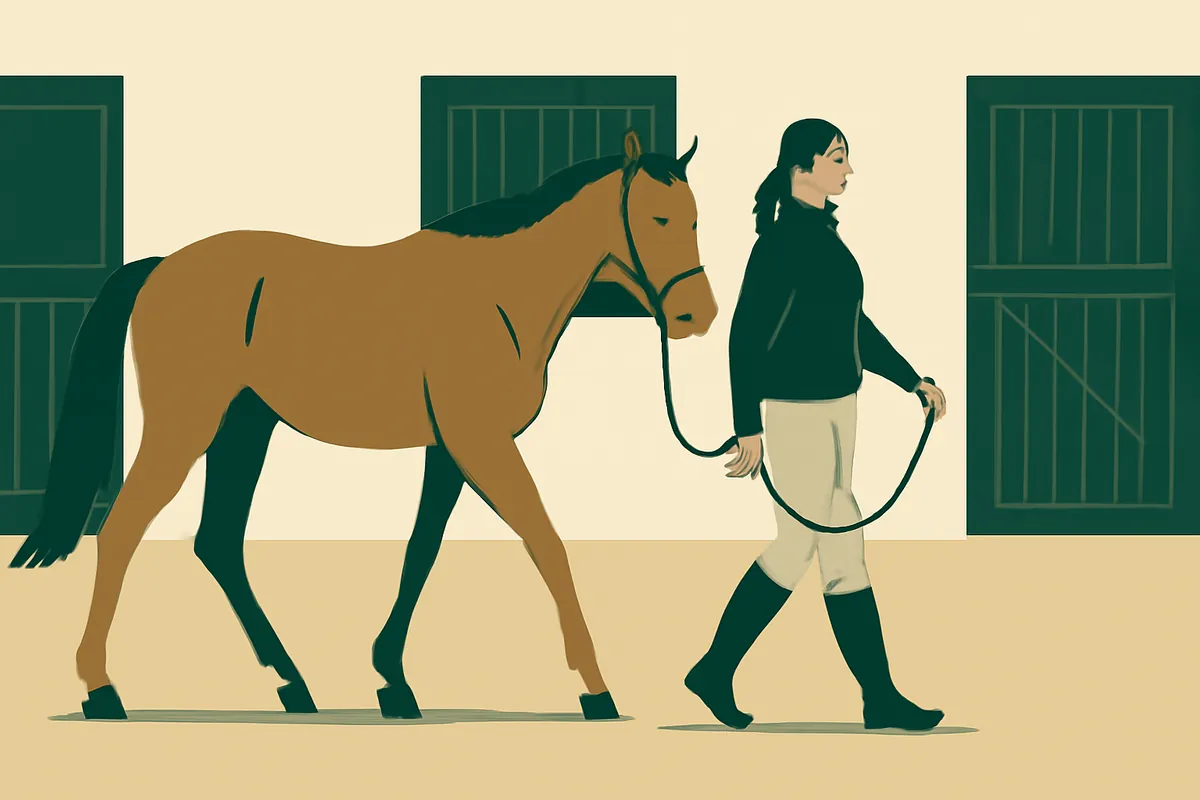
A career in horse care can start almost anywhere: mucking out at a local yard, grooming for a competition rider, working at a riding school, or advising owners on feeding, turnout and handling. Most horse professionals did not follow one fixed route. What they share is a solid foundation of knowledge: how horses behave and learn, how to feed them, how to keep their feet and bodies sound, how to spot pain and colic early, and how to handle them without anyone getting hurt.
This guide is for people who want to work with horses, either as an employee or as an independent consultant. It covers the kinds of jobs available, the knowledge every role relies on, how to get experience, which qualifications exist and what they prove, and how to set up if you want to advise owners for a living.
What horse care and consulting work looks like
"Working with horses" covers very different jobs. The most common are:
- Groom or stable hand. Daily care: feeding, mucking out, turnout, grooming, tacking up, checking legs and feet, and noticing when something is wrong. It is the entry point for most people.
- Yard or barn manager. Responsible for the horses, the staff, the routines and often the business side of a boarding or livery yard.
- Riding instructor or coach. Teaching riders, usually after gaining a coaching qualification from a national body.
- Competition or traveling groom. Caring for horses at shows and events, often on the road.
- Equine consultant. Advising owners on the fundamentals: feeding plans, stable and pasture management, handling problems, buying a first horse, or setting up a small yard. Some consultants specialize; others act as a knowledgeable second pair of eyes for owners who are new to horses.
- Rehabilitation or retirement yard staff. Following a vet's plan for horses recovering from injury, or caring for older horses.
All of these are physical jobs with early starts, outdoor work in every season and animals that weigh several hundred kilograms. They reward people who are observant, consistent and calm.
Where your role stops
Every horse professional works alongside others with protected or specialist roles, and knowing the boundaries is part of the job.
- Veterinarians diagnose and treat illness and injury, prescribe medication and perform procedures. If you suspect pain, colic, lameness or illness, your job is to notice, record and call the vet, not to treat.
- Farriers shoe horses and correct hoof balance. In Great Britain, farriery is regulated by law and only registered farriers may shoe horses. In other countries the rules differ, but the principle is the same: trimming and shoeing are skilled trades.
- Equine dental technicians and vets care for teeth. Which procedures a non-vet may perform varies by country, so check local rules.
- Saddle fitters assess and adjust saddle fit. You should know what a poorly fitting saddle looks like; fitting and adjusting it is a specialist skill.
A good consultant knows enough about each of these areas to spot problems and explain them to an owner, and knows exactly when to hand over. That referral judgment is one of the most valuable things you offer.
The knowledge every horse professional needs
Whatever the job title, the same foundations come up again and again.
Behavior, herd dynamics and learning
Horses are prey animals that live in herds. Almost every handling problem makes more sense once you understand that: why a horse spooks, why it calls for its field companion, why it pushes into you, why it refuses to load. You need to understand how horses learn (through pressure and release, and through reward) and how to change behavior without fear or force.
Nutrition, forage and feeding management
A horse's gut is built to process fiber in small amounts, almost all day. Forage-first feeding, gradual changes, clean water and body condition scoring are core skills. Our guide to equine nutrition basics covers the principles.
Hoof care and lameness recognition
"No foot, no horse" is an old saying because it is true. You should be able to pick out and check feet daily, recognize thrush, loose shoes and heat in the hoof, and notice when a horse is not moving evenly.
Preventive health
Vaccination, parasite control, dental care and regular health checks keep horses well. You do not choose the vaccines or the dewormer schedule (that is for the vet), but you keep the records, make sure appointments happen and understand why each matters.
Tack fit and equipment welfare
Ill-fitting saddles, bridles and rugs cause pain, rubs and behavior problems. Knowing what to check, and when to call a saddle fitter, protects horses and riders.
Stable and pasture management
Bedding, ventilation, muck heaps, fencing, grazing rotation, poisonous plants and turnout arrangements are all part of keeping horses healthy.
Groundwork and safe handling
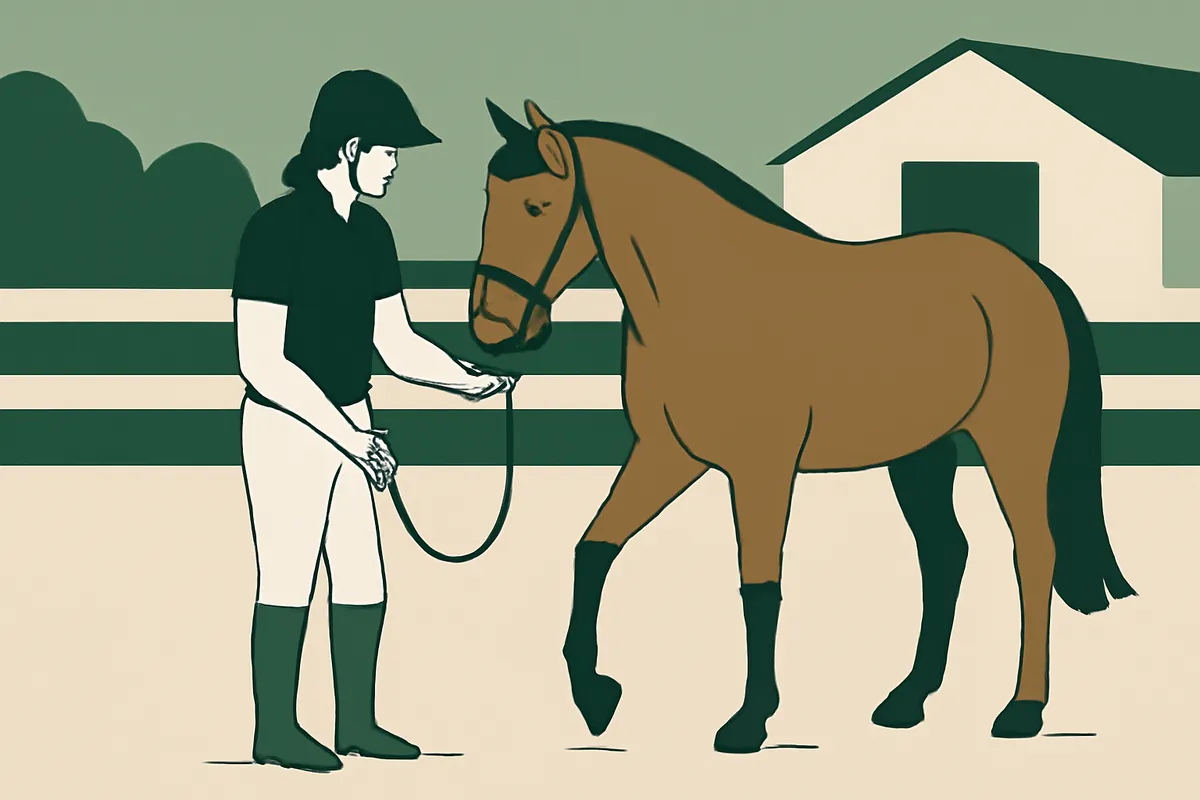
Leading, tying, picking up feet, turning out and bringing in are where most yard injuries happen. Safe handling protects you, the horse and everyone around it.
Pain, colic and emergencies
Horses hide pain well, and colic can become life-threatening quickly. Recognizing the early, subtle signs is perhaps the single most important skill in horse care. See reading horse body language and signs of pain.
How to get hands-on experience
Horse knowledge has to be learned with your hands and eyes as well as from books. Some ways in:
- Work or volunteer at a yard. Many yards and riding schools take helpers. You start with mucking out and feeding, and learn by watching experienced staff.
- Become a working pupil. In some countries a working pupil gets training in return for work. Make sure the arrangement is clear, fair and legal where you are.
- Help at a rescue or retirement center. You will see horses with health problems, behavior problems and complex needs, which teaches a great deal.
- Shadow professionals. Ask your farrier, vet or saddle fitter whether you can watch and ask questions. Many are happy to explain what they look for.
- Join a riding club or Pony Club. Clubs in many countries offer structured learning and tests for riders of all ages.
Keep a log of the horses you work with and what you learned from each. It helps you notice patterns, and it is useful evidence when you apply for jobs or qualifications.
Qualifications and certifications
There is no single qualification required to work with horses in most places. You will find several kinds of credential:
- Vocational qualifications from national bodies. In the UK, the British Horse Society runs a well-known ladder of qualifications in horse care and coaching. In the US, organizations such as the Certified Horsemanship Association certify riding instructors. In Canada and Australia, the national federations (Equestrian Canada and Equestrian Australia) run coaching pathways.
- College and university courses. Diplomas and degrees in equine studies or equine science teach the science in depth, often with practical placements.
- Specialist trade qualifications. Farriery, saddle fitting and equine dentistry have their own training routes, some of them regulated.
- Knowledge credentials. Online assessments that test what you understand across the fundamentals, without observing your practical skills.
Each proves something different. A practical exam shows what an examiner saw you do on the day. A degree shows depth of study. A knowledge credential shows you can explain and apply the fundamentals to realistic situations. We compare the options in equine certifications compared.
How to choose the right credential for your goal
| Your goal | What usually helps most |
|---|---|
| A first job as a groom | Experience, references and a practical horse care qualification |
| Teaching riders | A recognized coaching qualification from a national body |
| Managing a yard | Years of experience plus management and horse care qualifications |
| Advising owners as a consultant | Broad, verifiable knowledge across the fundamentals, and clear referral boundaries |
| A specialist trade | The trade's own training route and, where it exists, registration |
Consultants face a particular challenge: owners cannot see your knowledge before they hire you. A named credential with a public verification link gives them something concrete to check, alongside your experience and references.
Safety comes first
Horses are large, fast and easily frightened. Many injuries happen on the ground, while leading, tying up or handling feet, not only in the saddle. Every professional should:
- Wear sturdy boots and gloves when handling, and a riding helmet when riding or working with young or unpredictable horses.
- Never wrap a lead rope around a hand, and never kneel or sit next to a horse; crouch so you can move away.
- Approach at the shoulder, speaking so the horse knows you are there.
- Tie up with a quick-release knot or breakable tie, never to something that could come loose and follow a panicking horse.
- Know the yard's emergency plan: who to call, where the first aid kit is and how to get a vet on site.
Safety also means knowing your limits. If a horse is dangerous to handle, the right answer may be to wait for help, not to try harder.
Setting up as an independent consultant
If you want to advise owners for a living, the practical side matters as much as the knowledge:
- Define your service. Feeding reviews, yard setup, first-horse buying support, handling sessions or general care audits. Be clear about what you do and what you refer on.
- Insurance. Professional and public liability insurance are standard for anyone advising on animals or working on other people's premises.
- Written agreements. A simple agreement covering what you will do, fees, cancellations and the fact that you do not provide veterinary advice.
- Records. Write down what you saw, what you advised and what you referred. It protects the horse, the owner and you.
- Local rules. Running a boarding or livery yard, a riding school or a business from your property can require licenses or permits. Rules vary by country and region, so check with your local authority.
Mistakes new horse professionals make
- Treating instead of referring. Giving pain relief, lancing an abscess or "just watching" a colicky horse overnight are decisions for a vet.
- Ignoring small changes. A horse that leaves some feed, stands differently or is quieter than usual may be telling you something. Write it down and keep watching, or call the vet.
- Rushing handling problems. A horse that will not load or pick up its feet usually has a reason. Pressure without understanding makes it worse.
- Overpromising to owners. You cannot fix a lameness, a behavior problem or a weight problem in one visit. Set honest expectations.
- Not keeping learning. Knowledge about feeding, parasite control and welfare changes. Good professionals keep up.
How long it takes
| Route | Typical time to start working | What you get |
|---|---|---|
| Volunteer or junior yard work | Weeks | Basic experience and references |
| Vocational qualification | Months to a few years, often alongside work | Structured practical skills and a recognized certificate |
| College or university course | One to four years | Depth of study and placements |
| Self-study plus experience and a knowledge credential | Months, at your own pace | Broad theory, verifiable knowledge, experience from your own work |
Many people combine routes: work at a yard, study in the evenings and take qualifications as their experience grows.
Where to start your horse care career today
A good first month might be: spend time at a yard, learn to check a horse's feet, legs and body every day, read up on forage-first feeding, and practice describing what you see in plain words. Learn your local horses' normal behavior before you worry about the unusual.
When you want to test your knowledge, try our free sample equine questions. They use the same format as the Equine Foundation Consultant assessment, with model answers you can compare against. For the next step in your reading, start with reading horse body language and signs of pain and equine nutrition basics.
Frequently asked questions
Do you need a qualification to work with horses?
In most places, no qualification is legally required to work as a groom, yard hand or consultant. Some specialist trades are different: in Great Britain, for example, only registered farriers may shoe horses. Employers and clients still look for experience, references and credentials they can check.
Can I start a horse care career without owning a horse?
Yes. Most people start by working or volunteering at a yard, riding school or rescue center, where they learn from experienced staff on many different horses. Handling a variety of horses teaches more than caring for one.
What does an equine consultant do?
An equine consultant advises owners on the fundamentals of horse care, such as feeding, turnout, stable management, handling and buying a first horse. A consultant does not diagnose or treat: when a horse may be ill, lame or in pain, the consultant refers the owner to a vet.
Written by the PetCred Editorial Team and checked against the published curriculum for this program. Laws and requirements change and differ by place: check local rules before relying on anything legal or regulatory here.
Free course
Horse Care Fundamentals: A Free 5-Lesson Course
Five short lessons, a quick check after each, no sign-up. Start now →
More horse care guides

Equine Certifications Compared
Equine certifications compared: horse care qualifications, coaching awards, degrees, trade routes and online assessments, what each proves and how to choose.
15 September 2026
Equine Nutrition Basics for Professionals
The equine nutrition basics every horse professional needs: forage first, water and salt, concentrates, body condition, safe diet changes and grazing risks.
3 September 2026
Reading Horse Body Language and Signs of Pain
How to read a horse's ears, eyes, face, posture and movement, spot the quiet signs of pain and colic early, and know when it is time to call the vet.
22 August 2026