Equine Nutrition Basics for Professionals
The equine nutrition basics every horse professional needs: forage first, water and salt, concentrates, body condition, safe diet changes and grazing risks.
PetCred Editorial Team · Updated 3 September 2026 · 6 min read
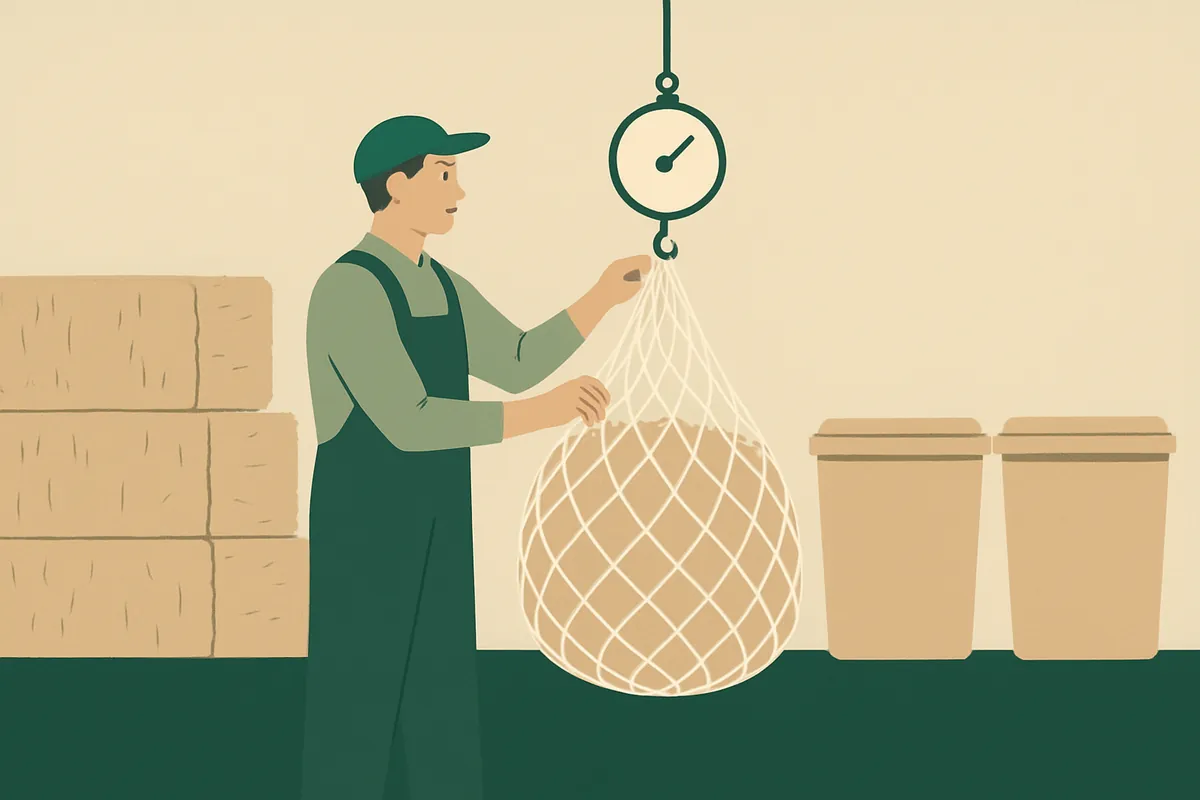
Equine nutrition basics come down to one idea: a horse is built to eat fiber, slowly, for most of the day. Almost every feeding problem professionals see (colic, ulcers, laminitis, weight gain, weight loss, stable vices) is easier to understand, and often to prevent, once you start from how the horse's gut actually works.
This guide covers the principles every horse professional should know: forage first, water and salt, when concentrates are needed, body condition scoring, safe changes, grazing risks and poisonous plants. It is general guidance for healthy horses. Any horse that is losing weight, has a medical condition or has a history of laminitis, colic or ulcers needs a feeding plan agreed with its vet, and specialist diets are for a vet or a qualified equine nutritionist to design.
How a horse's digestive system works
A horse's gut is different from ours, and from a dog's or a cat's, in ways that shape everything about feeding.
- The stomach is small for the size of the animal, and it produces acid continuously, whether or not the horse is eating. Chewing produces saliva, which helps buffer that acid. A horse left for long periods without forage has acid working on an empty stomach, which is linked to gastric ulcers.
- Most fiber is digested in the hindgut (the cecum and large colon), where microbes ferment it and release energy. Those microbes are adapted to the horse's usual diet, and sudden changes can upset them.
- Horses cannot vomit. What goes in must go through, which is one reason gut problems can become serious quickly.
Put simply, horses evolved to graze little and often, walking and chewing for most of their waking hours. The closer management gets to that, the healthier the gut tends to be.
Forage first: the core of equine nutrition
Forage (grass, hay or haylage) should make up the bulk of almost every horse's diet. It provides fiber for the hindgut, keeps the horse chewing and producing saliva, and occupies time that might otherwise turn into boredom.
Practical points:
- Quantity. Widely used guidance is that most horses need forage equal to at least about 1.5 percent of their body weight each day, measured as dry matter, and many need more. Hay and haylage contain different amounts of water, so weigh forage rather than counting slices or nets, and ask a vet or nutritionist to set a target for the individual horse.
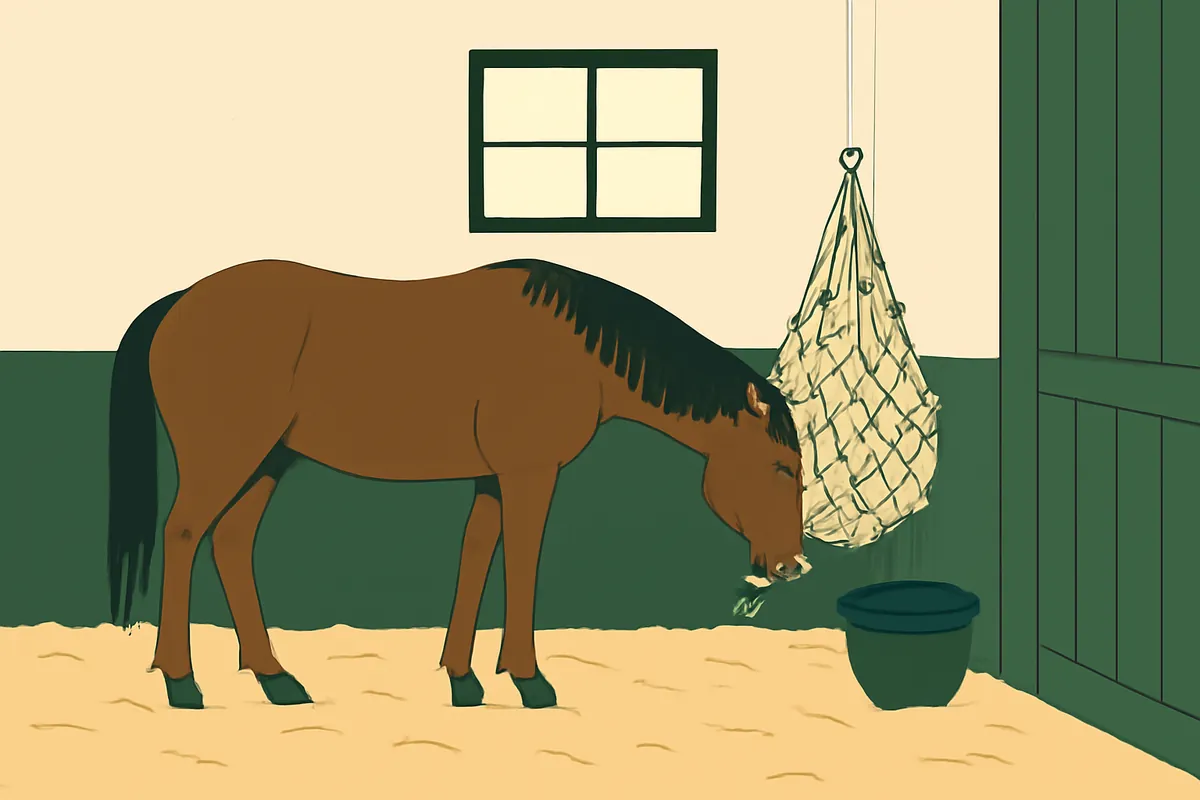
- Avoid long gaps. Spread forage through the day and night. Slow-feeder haynets and several smaller feeds help a horse on restricted rations eat for longer.
- Quality and hygiene. Forage should smell sweet and be free of mold and dust. Dusty hay can trigger or worsen breathing problems; soaking or steaming are common ways to reduce dust, and your vet can advise which suits the horse.
- Analysis. Hay can be tested in a lab for its energy, protein, sugar and minerals. For horses with weight or metabolic problems, an analysis takes the guesswork out of planning.
Water and salt
A horse drinks a large amount of water every day, more in hot weather, in work and when eating dry hay. Reduced water intake is linked to impaction colic, so:
- Provide clean, fresh water at all times, and check buckets, troughs and automatic drinkers daily.
- Break ice in winter; some horses drink less when water is very cold.
- Offer salt, as a lick or added to feed, so the horse can replace what it loses in sweat. Horses in hard work in hot weather may need electrolytes; ask the vet.
When a horse needs more than forage
Many horses at rest or in light work can maintain condition on good forage plus a source of vitamins and minerals. Others need more energy or protein: horses in hard work, young growing horses, some older horses and mares in late pregnancy or feeding a foal.
- Balancers supply vitamins, minerals and quality protein in a small daily amount, without many extra calories. They suit many horses on forage-only diets.
- Concentrates (mixes, cubes or straights such as cereals) add energy. Feed them in several small meals rather than one large one, because a large starchy meal can pass into the hindgut undigested and disturb the microbes there.
- Fiber-based energy sources, such as sugar beet pulp and alfalfa, can add calories with less starch.
Follow the manufacturer's feeding guide as a starting point, adjust to body condition, and do not mix several supplements without checking that the combined diet makes sense. More is not better: oversupplementing some minerals can cause problems of its own.
Body condition scoring
Weight tapes and weighbridges tell you what a horse weighs; body condition scoring tells you how much fat it carries. You assess fat cover over the neck, withers, ribs, back, tailhead and shoulders, by eye and by feel.
Two scales are common: a 1 to 9 scale developed in the US by Henneke and colleagues, and a 0 to 5 scale widely used in the UK. Whichever you use, use the same one consistently and record the score with the date.
- Score regularly, for example every two to four weeks, and more often when changing the diet.
- Feel as well as look: a thick winter coat can hide ribs, and a fit horse can look lean while being healthy.
- Watch for fat pads on the crest of the neck, over the tailhead and behind the shoulder. A hard, cresty neck is associated with a higher risk of laminitis and should be discussed with the vet.
Make every change gradually
Because the hindgut microbes are adapted to the current diet, change it slowly. Common guidance is to introduce a new hay, feed or turnout regime over one to two weeks, gradually increasing the new and reducing the old. This includes the move from stable to spring grass, and from one batch of hay to the next.
Grazing and laminitis risk
Grass is the natural food of horses, but it is not always safe in unlimited amounts. Grass can be high in sugars, especially in spring, in some autumn conditions and on sunny, cold days. For horses prone to laminitis, overweight horses and horses with metabolic conditions such as equine metabolic syndrome or PPID (often called equine Cushing's), grazing may need to be restricted with smaller paddocks, strip grazing, track systems or grazing muzzles.
The decision about how much grazing a particular at-risk horse can safely have is one to make with the vet. Your part is to notice early warning signs (weight gain, a cresty neck, reluctance to walk, a horse rocking back onto its heels) and report them promptly.
Feeding hazards and poisonous plants
- Never feed lawn clippings. They ferment quickly and can cause colic and choke.
- Keep feed rooms secure. A horse that breaks in and gorges on concentrate is an emergency: call the vet straight away, even if it looks well.
- Know your poisonous plants. Examples include ragwort, yew, and the seeds and seedlings of sycamore in the UK and box elder in North America, which are linked to a serious muscle disease. Wilted red maple leaves are toxic to horses in North America. Walk fields regularly, remove what you find safely and ask local experts which plants matter in your area.
- Watch feeding in groups. Dominant horses may take more than their share, and timid ones may go short. Separate feeding spaces help.
Where your role stops
A horse professional can apply these principles to healthy horses: setting up forage-first routines, monitoring condition, making changes gradually and keeping good records. Refer to the vet when a horse:
- Is losing weight without an obvious reason, or will not eat.
- Has dropped feed, quids (balls of chewed forage) or difficulty chewing, which can point to dental problems.
- Shows any sign of colic, choke, laminitis or ulcers.
- Has a medical condition, or is on medication, and needs a diet change.
Specialist rations for these horses belong with the vet or a qualified equine nutritionist.
Keep learning
Feeding connects to everything else in horse care. Pain and colic signs are covered in reading horse body language and signs of pain, and the wider career picture is in how to start a career in horse care. If you are deciding how to show what you know, see equine certifications compared.
Nutrition, forage and feeding management is one of the topics in the Equine Foundation Consultant assessment. Try the free sample equine questions to see the format.
Written by the PetCred Editorial Team and checked against the published curriculum for this program. Laws and requirements change and differ by place: check local rules before relying on anything legal or regulatory here.
Free course
Horse Care Fundamentals: A Free 5-Lesson Course
Five short lessons, a quick check after each, no sign-up. Start now →
More horse care guides
How to Start a Career in Horse Care and Consulting
The jobs, knowledge, experience and qualifications behind a career in horse care, where your role stops and a vet's begins, and how to set up as a consultant.
11 August 2026

Equine Certifications Compared
Equine certifications compared: horse care qualifications, coaching awards, degrees, trade routes and online assessments, what each proves and how to choose.
15 September 2026
Reading Horse Body Language and Signs of Pain
How to read a horse's ears, eyes, face, posture and movement, spot the quiet signs of pain and colic early, and know when it is time to call the vet.
22 August 2026